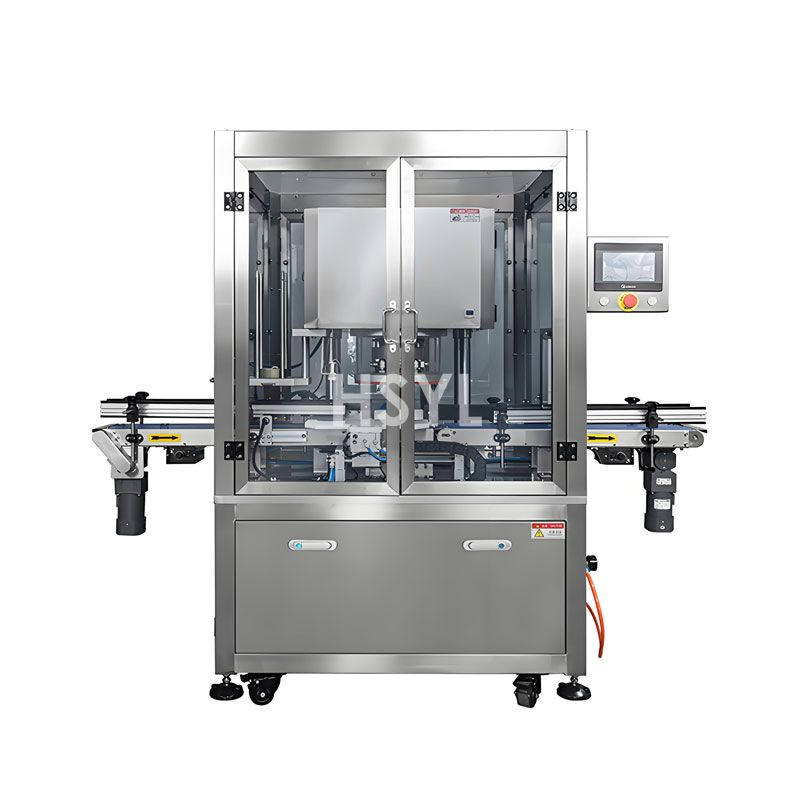
A can-size changeover affects more than the seamer. Empty-container handling, filling, transfers, closing tools, basket arrangements and records may all depend on the new format.
Use an approved changeover procedure for the actual line. The checklist below helps identify scope and responsibilities; it does not replace machine instructions or the qualified process review.
Clear and identify the new format
Confirm the production order, can and end references, product specification and applicable approved process. Control remaining containers and material from the previous run according to the factory's procedures.
Keep changed parts and settings identifiable. A familiar-looking can is not enough to establish that the correct end, guides and tooling are installed.
| Line area | Changeover review |
|---|---|
| Can handling | Guides, transfer points and container stability |
| Filling | Nozzles or delivery arrangement, measurements and product condition |
| Seaming | Correct tooling, approved setup and required inspection |
| Conveyors | Transfer compatibility and accumulation behaviour |
| Basket loading | Container arrangement, dividers and approved reference |
| Controls and records | Product recipe, format identification and authorization |
Verify product-dependent functions
Run the first-product checks required by the approved procedure. Record filling observations and the required closure examination. FDA's container closure guide supports using the applicable can and end specifications rather than generic seam values.
The filling equipment and can seaming equipment need a coordinated container basis. Any trial should identify the actual can and end lots, configuration and adjustments.
Review the retort basis before production
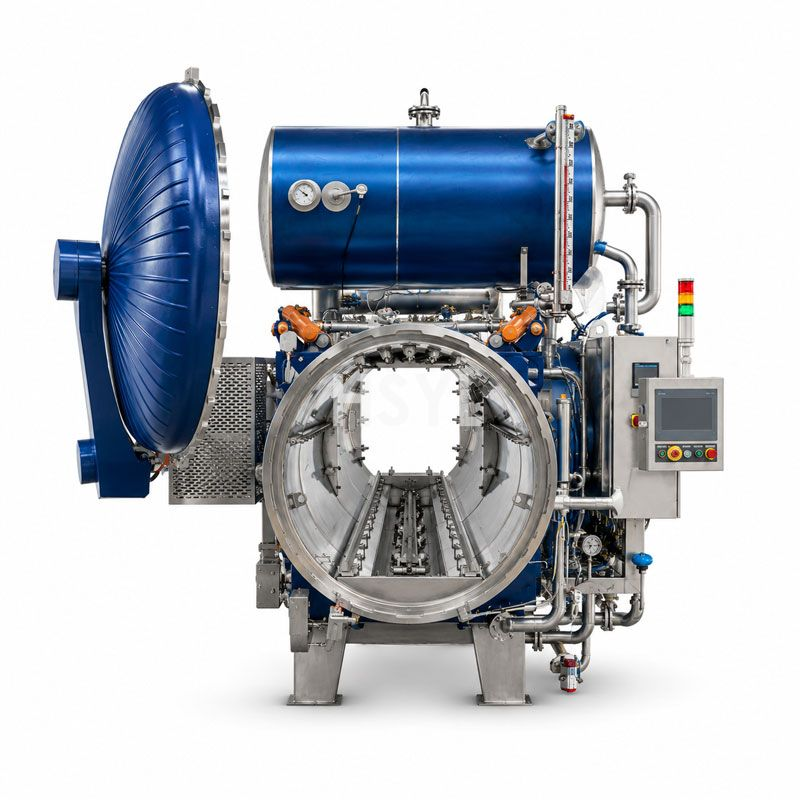
Container format and loading changes need the appropriate process assessment. Do not use a previous basket arrangement or process reference merely because the new cans fit physically inside the retort system.
Record the approved reference and who authorized its use. Keep product on hold where required until the necessary checks and reviews are complete.
Capture the work for the next change
Retain the parts list, actual sequence, observations and unresolved issues. If changeover duration affects the production plan, measure a defined task boundary rather than quoting only the mechanical adjustment time.
Use the bottleneck observation guide when changeovers contribute to lost output. The useful result is a repeatable, approved transition to a verified format with traceable first-product evidence.
Frequently Asked Questions
Can the same end be used on a slightly different can?
Is a format change only a mechanical task?
Can trial packs be released immediately?
Should empty packaging from the previous format be removed?
Related Articles



Get professional consultation
Do you have any questions or need technical support regarding the content of this article? Fill out the form below, and our expert team will provide you with professional solutions.