A meat slicing trial should produce a decision record, not only a tray of good-looking slices. The buyer needs to know what material was tested, what the machine was asked to produce and what work was required to achieve that result.
Agree the protocol before the trial. Include product, output and operating-access questions so the test reflects the intended factory task.
Record the feed condition
Identify the material lot, product state, dimensions and preparation history. Use the measurement method agreed with the supplier for relevant conditions. Record any conditioning or trimming performed specifically for the test.
If the trial material differs from normal production, explain the difference. Do not present a result from specially selected pieces as evidence for an unreviewed incoming range.
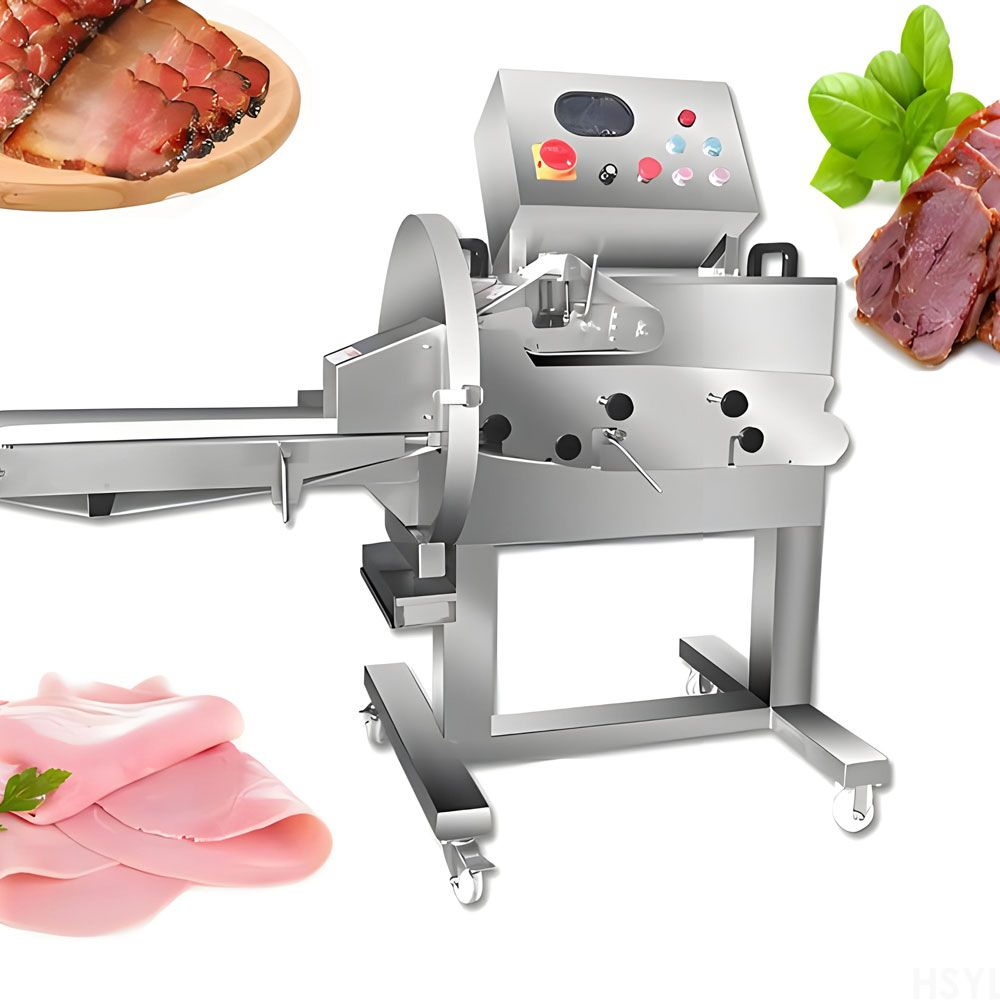
Assess slices against a written basis
| Trial record | What it should establish |
|---|---|
| Measurement method | How thickness, weight or dimensions are measured where required |
| Presentation criteria | Acceptable shape, tearing, breakage and discharge arrangement |
| Sampling basis | When samples are taken and how they represent the trial |
| Output count | Accepted product, rejects and the test-time boundary |
| Events | Stops, adjustments and operator interventions |
Keep the criteria specific to the product. There is no universal acceptable slice variation for all meat products and downstream uses.
Observe work around the slicer
Follow loading, feeding and discharge. Note manual orientation and any task that repeatedly interrupts operation. Review cleaning and blade-handling access using the supplier's approved safe procedure and competent personnel.
The automatic cooked-meat slicer discussion should use the intended product state and configuration. Product-dependent results should not be transferred to another model without review.
Write a clear trial conclusion
State which requirements were met, which were not met and which were not tested. Attach sample measurements and photographs using common identifiers. List any configuration change and the evidence required to close it.
Use the meat slicer procurement guide to connect the report to a purchase. The PLC and yield-data guide helps distinguish displayed machine information from measurements that the factory must collect separately.
A useful trial conclusion identifies the accepted operating conditions and their limits. It should not turn one short run into a universal accuracy, yield or payback guarantee.
Frequently Asked Questions
Should rejects be photographed?
Can I compare trials with different input products?
Does cleaning need a timed test?
Related Articles


Get professional consultation
Do you have any questions or need technical support regarding the content of this article? Fill out the form below, and our expert team will provide you with professional solutions.