Sardine can-packing trials need to test how fish fit and present in the intended container. A trial using a selected handful of uniform fish can hide the variation that operators will face during a real production campaign.
Define the pack arrangement, incoming size range and preparation state before testing the packing method. Then retain enough sample information to explain why particular packs were accepted or rejected.
Characterize the trial fish
Record species identity, source lot and the relevant dimensions or size distribution. Describe preparation already completed and any handling differences from planned production. Use the buyer's specification to determine which measurements matter.
Photographs can illustrate orientation and visible damage. Include a scale reference where dimensions are discussed, and keep the measurement data alongside the pictures.
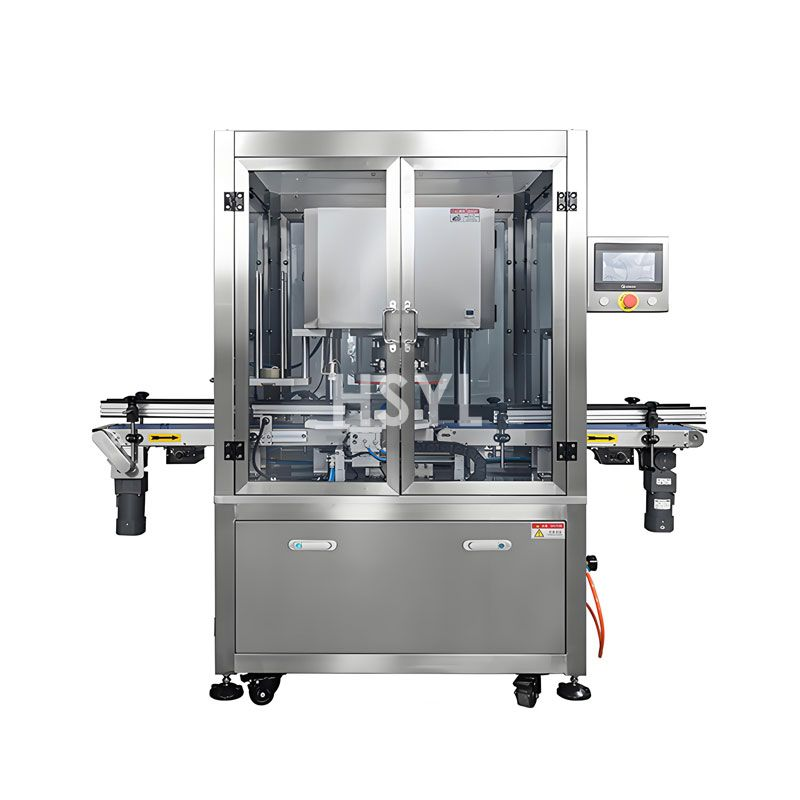
Use the actual container basis
| Trial topic | Observation to retain |
|---|---|
| Fish and can fit | Space, interference and arrangement against the intended pack specification |
| Orientation | How fish are presented and how often manual correction occurs |
| Handling | Damage or changes between feed, placement and transfer |
| Medium addition | Effect on the arrangement and condition before closing |
| Changeover | Guides, tooling and first-pack checks for another format |
The sardine canning production line discussion should use the intended can and end drawings. A similar-looking container does not prove the same fit or closing compatibility.
Observe the whole packing sequence
Follow product through feeding, placement and movement toward closing. Record stops and interventions with the sample conditions. If the trial includes several fish grades, keep their observations identifiable rather than pooling all results into one average.
Inspect the rim and the product position before closing according to the agreed procedure. Any closure-related judgement needs the relevant container and equipment specifications, not an appearance-only assumption.
Decide which variation the line must accommodate
If one grade requires different handling, decide whether production will separate that grade or the equipment must handle it within the same run. That is an operating decision as well as a machine-selection question.
Use the tuna-versus-sardine comparison when shared equipment is proposed. Review oil, brine and sauce filling if the pack will use several media. Close the trial with accepted conditions, remaining restrictions and the evidence needed before expanding the product range.
Frequently Asked Questions
Must all sardines face the same direction?
Can I test only the average fish size?
Can successful manual packing prove automatic packing performance?
Related Articles




Get professional consultation
Do you have any questions or need technical support regarding the content of this article? Fill out the form below, and our expert team will provide you with professional solutions.