A tuna filling trial should start with a pack specification that the buyer and supplier can both interpret. “Solid,” “chunk” and “flake” are not enough on their own to define the accepted presentation or the material condition at the machine.
Create a short controlled specification and attach representative examples. The aim is to make the trial answer a product decision rather than produce an attractive but unrepeatable demonstration.
Write the pack description
State the intended market product, tuna presentation and container reference. Describe the visible characteristics that matter when the pack is opened. Where size or defect limits are required, use the buyer's approved specification and agreed measurement method; do not invent universal limits.
| Specification field | What to record |
|---|---|
| Product reference | Product code, specification revision and intended presentation |
| Prepared tuna | Preparation history, relevant condition and expected variation |
| Container | Can and end drawing references and supplied trial samples |
| Filling medium | Material reference and condition at addition |
| Measurements | Solid fill, total fill and presentation assessment basis |
| Acceptance | Agreed criteria, sampling method and authorized reviewer |
Choose samples that represent production
Include the normal range of prepared material, rather than selecting only easy-to-handle pieces. Record the source batch and any additional handling before the trial. If the sample differs from planned production, identify which conclusions remain provisional.
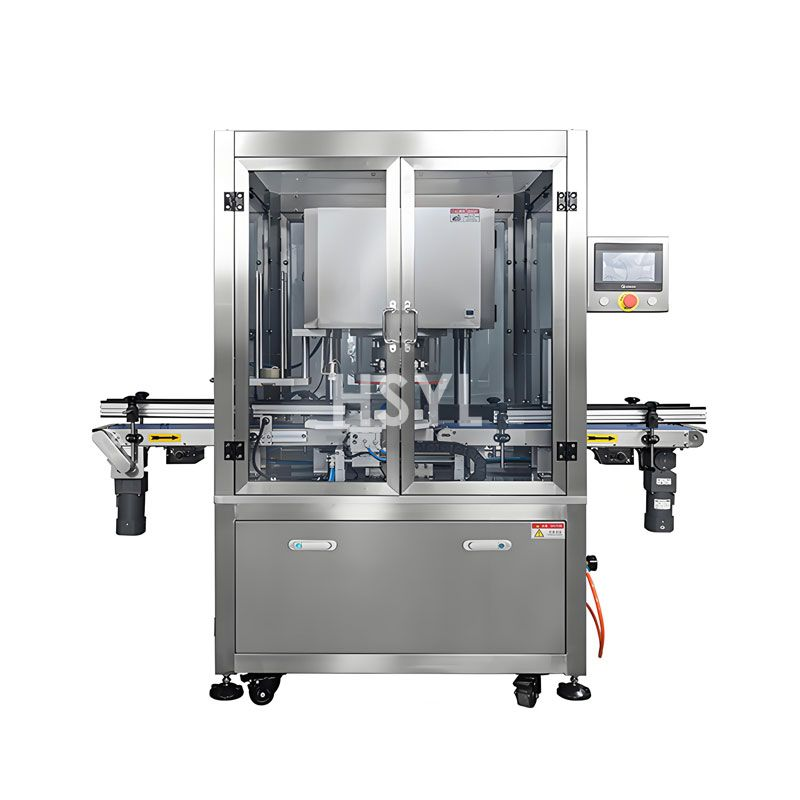
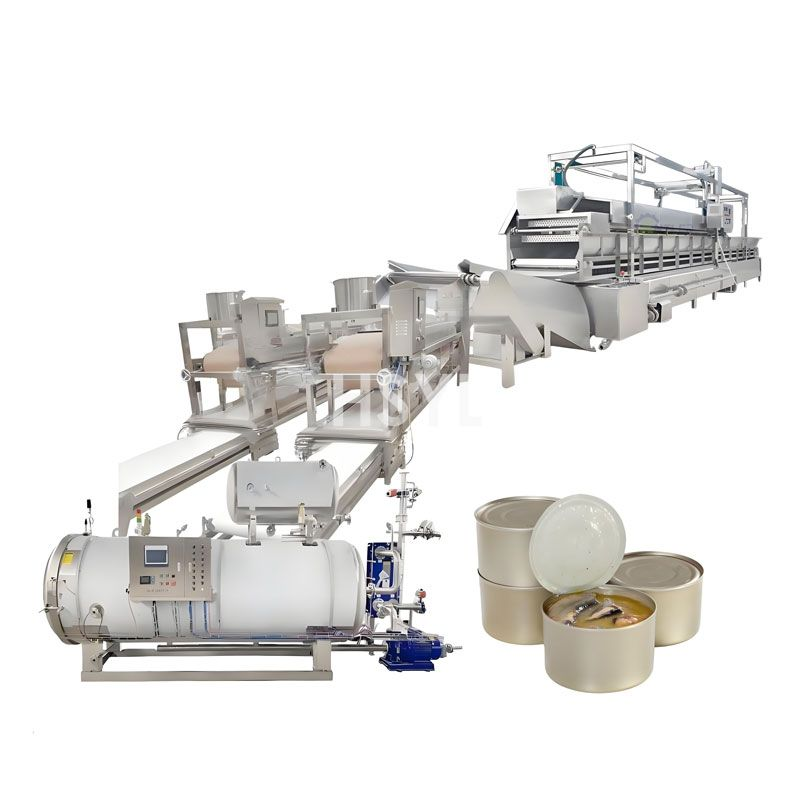
Ask the tuna canning line supplier to describe how feeding and filling interact with the intended presentation. Evaluate those transfers along with the filling point so that product changes can be located.
Keep weight and presentation separate
A pack can meet a weight criterion while containing an unacceptable distribution of pieces. Retain measurements and photographs with the same sample identifiers. Explain how the pack was opened and assessed so another reviewer can understand the result.
Record rejects and adjustments during the trial. A final photograph does not show how often an operator intervened or how much material was rejected before that pack was made.
Turn the trial into a purchasing decision
Compare the observations with the agreed specification. Identify accepted functions, configuration changes and unanswered questions. If the material or container changes, state what must be repeated.
Use the tuna canning process guide for the wider product route and the filling media guide for liquid or sauce inputs. Send the final specification and trial report together when confirming the equipment scope.
Frequently Asked Questions
Is a photograph a sufficient tuna pack specification?
Does a successful pack trial establish shelf life?
Related Articles


Get professional consultation
Do you have any questions or need technical support regarding the content of this article? Fill out the form below, and our expert team will provide you with professional solutions.