A preparation yield trial needs a defined material balance. Without one, a change in the incoming fish, the weighing point or retained water can be mistaken for a change in equipment performance.
The objective is to locate material changes across preparation and explain the accepted product result. It is not to produce a universal yield percentage for every species, receiving state or process.
Establish the measurement boundary
Identify the incoming lot and the condition at which it is measured. State what preparation has already occurred. Define the discharge or handoff point at which the accepted prepared product is measured.
If the selected route includes washing, cooking, cooling or other operations that can alter the material's water content or mass, document the measurement condition. Comparing different boundaries can create a precise-looking but misleading percentage.
Separate material categories
| Category | Meaning within the agreed trial |
|---|---|
| Accepted prepared product | Material meeting the actual product specification at the chosen handoff |
| Required removed material | Material intentionally removed by the approved preparation route |
| Rejected product | Material failing the agreed criteria, with reasons retained |
| Samples and retained material | Material used for assessment or remaining in the route |
| Other relevant mass changes | Changes requiring explanation under the selected measurement method |
Do not combine all removed material under one unexplained loss figure. Necessary preparation and avoidable rejection answer different process questions.
Observe stages where the question arises
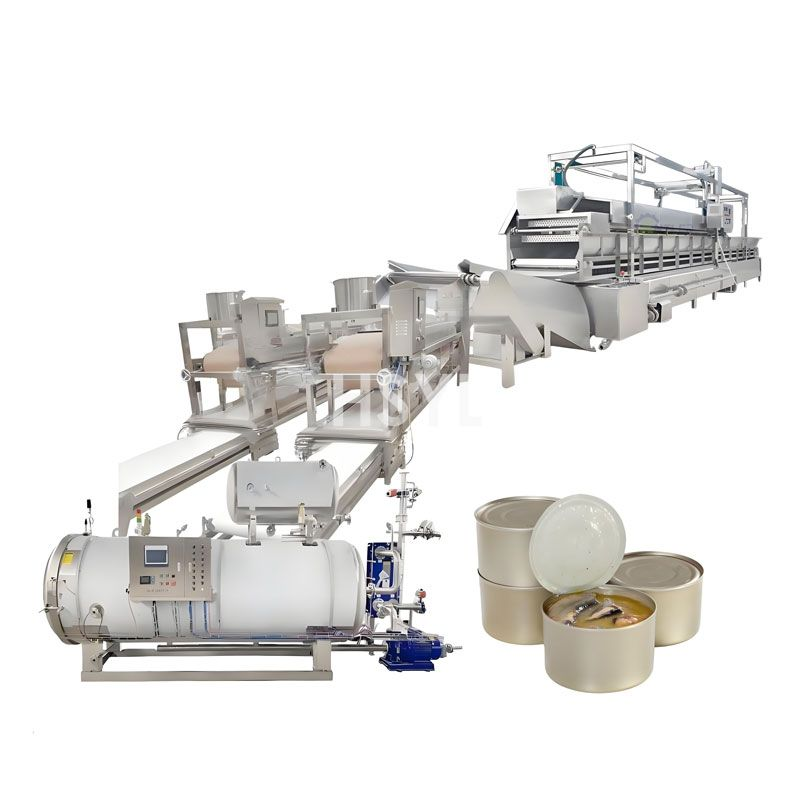
Use the tuna process guide or the relevant fish canning line route to identify observation points. Retain intermediate samples where they help locate damage, rejection or unaccounted material.
Keep the actual configuration and product conditions in the report. If a trial uses specially selected fish or preparation by another method, make that limitation visible. The result should not be presented as a guarantee for an untested supply range.
Connect yield with product acceptance
Retained mass is valuable only in relation to the intended product. Review appearance, form and suitability for the next operation alongside the material balance. More material at discharge does not automatically mean more accepted finished packs.
Track later feeding or filling rejects separately when the trial question concerns preparation. Otherwise the investigation can assign a downstream handling issue to the wrong stage.
Report the result with its evidence
Retain the source measurements, category definitions, product specification and observations. Explain unresolved differences rather than forcing them into a preferred explanation. A repeat trial should use a comparable basis or clearly describe the changed conditions.
Use the fish batch-flow guide to preserve lot connections and the process overview to align stage names. The completed report should support a product and equipment decision within its documented boundaries.
Frequently Asked Questions
Can I compare fresh and frozen fish with one yield figure?
Does retained mass establish product quality?
Should trial samples be accounted for?
Does this trial establish cooking parameters?
Related Articles



Get professional consultation
Do you have any questions or need technical support regarding the content of this article? Fill out the form below, and our expert team will provide you with professional solutions.