A fish packing workstation is a sequence of tasks, not simply an operator beside a conveyor. Product supply, empty-can availability, placement, inspection and transfer to closing all affect how the station works.
Observe those tasks before deciding whether to add staff, alter the layout or automate a handoff. The useful output is a work map supported by representative observations.
Follow the operator's actual work
Record who presents the fish, supplies containers, places product, performs required checks and removes unsuitable packs. Include replenishment, residue handling and the approved response to an interruption.
The same person may perform several tasks, but the study should identify them separately. Counting only the moment of fish placement hides work that can interrupt the station repeatedly.
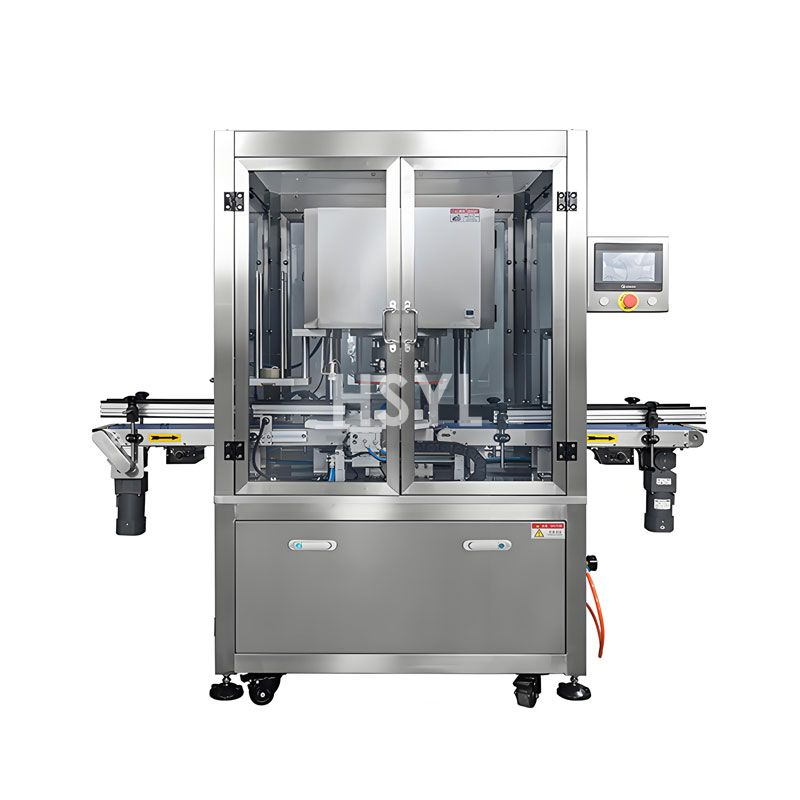
Observe the handoffs
| Handoff | What to look for |
|---|---|
| Preparation to packing | Product available in the specified state and range |
| Container supply | Correct format arriving without repeated manual correction |
| Placement to inspection | A workable sequence for the agreed pack checks |
| Packing to closing | Container condition and transfer behaviour |
| Support to operator | Replenishment and assistance under the actual staffing method |
Use representative product and containers. A staged demonstration in which another person quietly supplies materials may not represent the staffing arrangement being evaluated.
Review space and access with competent personnel
Examine reach, handling, work positions and equipment access through the site's appropriate ergonomic and safety review. Use the approved machine and operating procedures. A general article cannot set lifting limits or authorize changes to guarding.
The fish-line layout guide helps connect workstation observations to the wider route. Keep the closing-equipment interface visible rather than treating the end of manual placement as the end of the production task.
Compare alternatives using accepted output
If the proposal changes staffing or automation, use the same product basis and counting boundary. Record accepted packs, interruptions and the tasks assigned to every participating person. Do not claim a labour-saving percentage from the number of people visible in a photograph.
The automation comparison guide addresses the broader choice. Use the sardine line or fish canning line discussion to identify product-specific equipment questions.
Before accepting a revised arrangement, confirm that the pack checks, material controls and safe working method remain effective. A faster placement motion is only one part of a workable workstation.
Frequently Asked Questions
Is adding an operator always the best response to waiting?
Should replenishment be included in the labour study?
Related Articles



Get professional consultation
Do you have any questions or need technical support regarding the content of this article? Fill out the form below, and our expert team will provide you with professional solutions.