Whole-fish and cut-section mackerel packs ask the line to produce different presentations. The choice affects preparation, placement, container fit and the observations needed during equipment trials.
Begin with the intended pack specification. A picture of an attractive can is helpful, but the buyer and supplier also need the dimensions, material range and acceptance method behind it.
Define the two product tasks
For a whole-fish presentation, identify the preparation state and fish dimensions relevant to the container. For sections, identify the selected cut form and what counts as an accepted piece. The product team should set those requirements; the equipment enquiry should not invent them.
Keep receiving variation visible. A trial with uniform selected fish cannot establish suitability for a wider size range unless that difference has been evaluated.
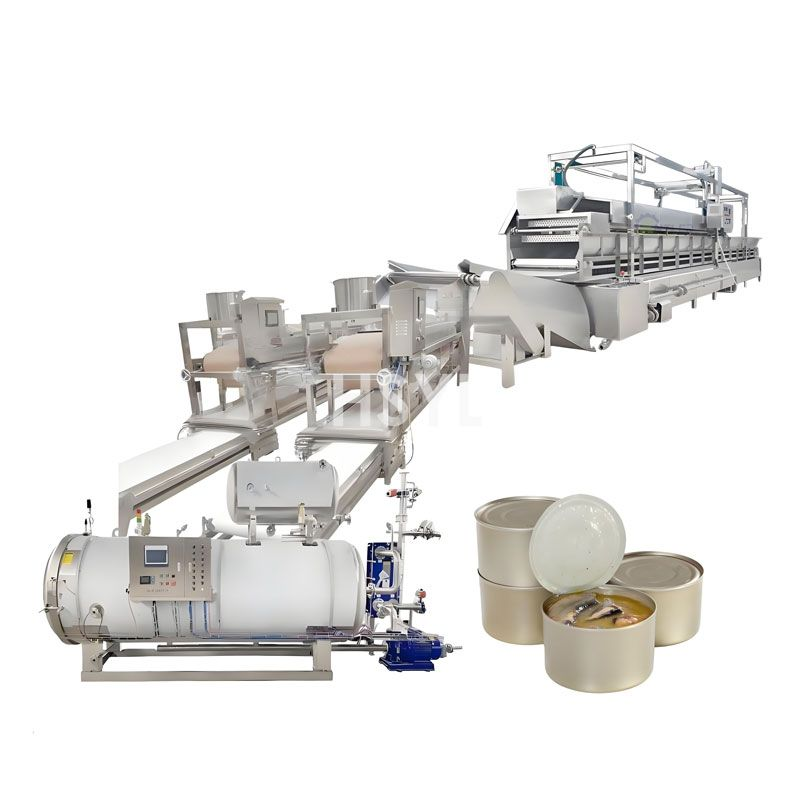
| Comparison point | Whole-fish pack | Cut-section pack |
|---|---|---|
| Material basis | Dimensions and preparation state of the fish being placed | Dimensions, form and condition of prepared sections |
| Presentation | Intended orientation and arrangement | Intended piece arrangement and distribution |
| Handling | Changes during feeding, placement and transfers | Changes during cutting, feeding and transfers |
| Assessment | Agreed fit, appearance and measurement method | Agreed fit, appearance and measurement method |
Follow preparation into packing
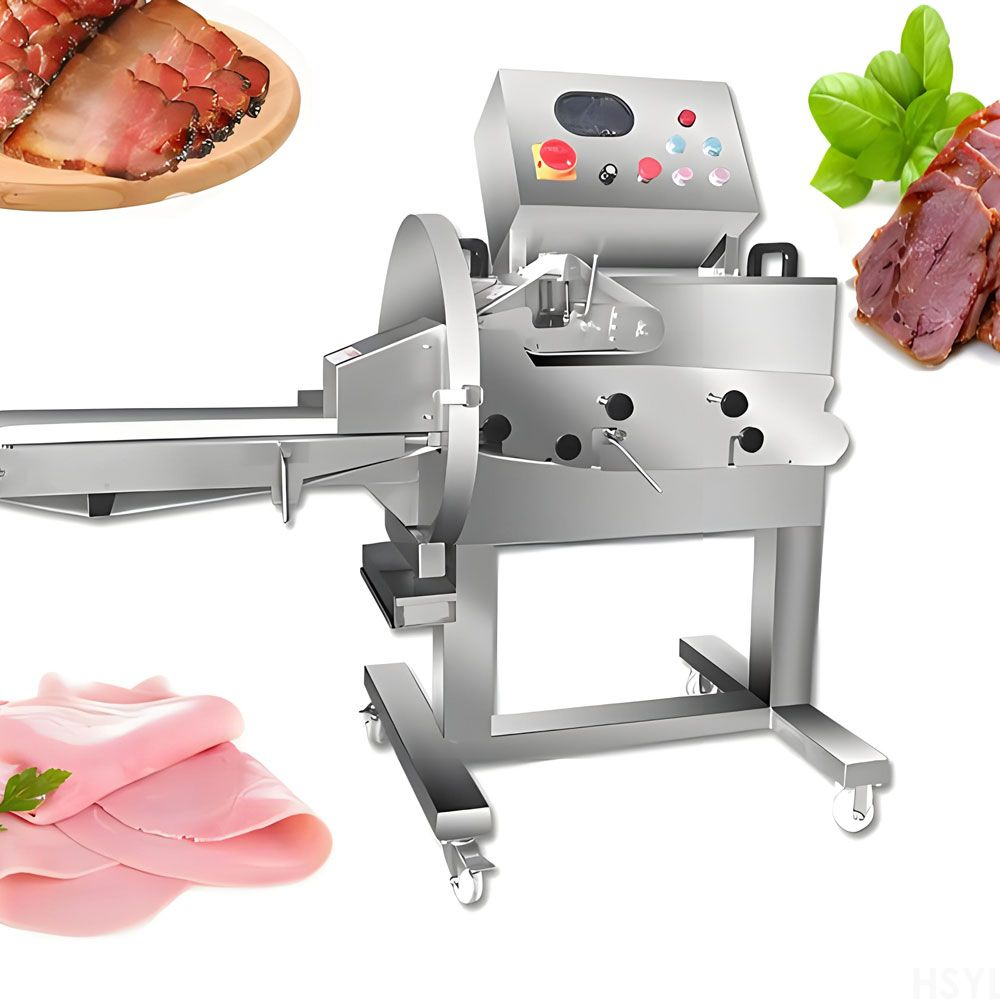
Do not evaluate the packing station without observing the material it receives. If cutting is part of the selected route, retain samples before and after that operation. Identify whether an observed presentation change already exists before placement or appears during a later transfer.
Discuss the proposed arrangement with the mackerel canning line supplier. Ask which product conditions and container formats are within the proposed configuration and which require additional trials.
Trial the medium and container together
Use the intended can, end and filling medium. Examine the product arrangement before liquid addition and before closing using the agreed safe procedure. Record interruptions, manual corrections and rejected packs as well as accepted samples.
The fish filling-media guide covers oil, brine and sauce inputs. A different medium can change the filling task and requires the appropriate product-process review; it should not be treated as an appearance change alone.
Make the purchasing conclusion specific
State which material range, preparation state and pack format the evidence supports. If both presentations are required, identify changed parts, settings, cleaning and first-product checks in the changeover scope.
The multi-product fish-line comparison provides a related compatibility framework. Connect the final pack decision to the fish production process so preparation, packing, closing and process responsibilities use the same product basis.
Frequently Asked Questions
Is cutting mackerel into sections always more efficient?
Can one trial support both whole and section packs?
Should the intended filling medium be present in the trial?
Related Articles


Get professional consultation
Do you have any questions or need technical support regarding the content of this article? Fill out the form below, and our expert team will provide you with professional solutions.