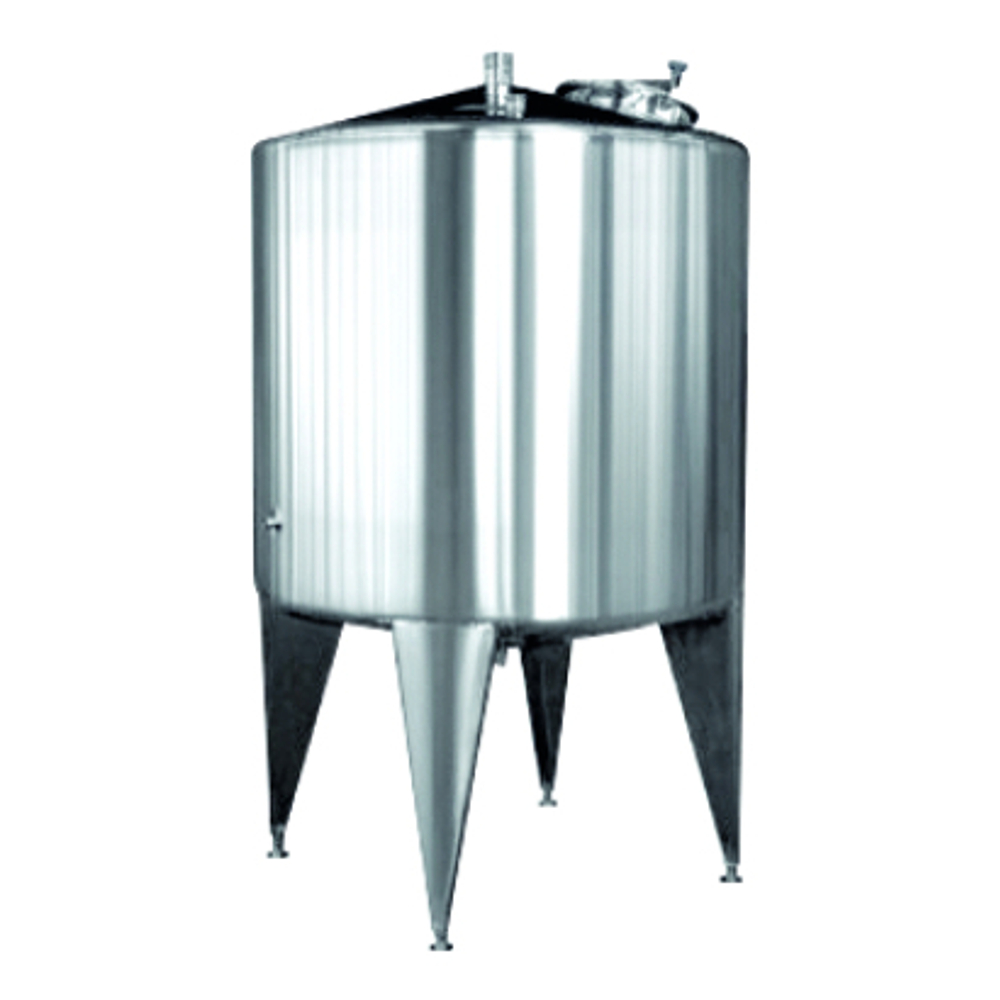
1. Deconstructing Stainless Steel Mixing Tank Quotation Variables
Sanitary stainless steel mixing tanks are ubiquitous across food processing, sauce batching, beverage blending, and wet pet food preparation. When purchasing mixing vessels, plant managers often observe that two tanks possessing identical volumetric capacity (e.g., 2,000 Liters) can carry quotations differing by more than 100%.
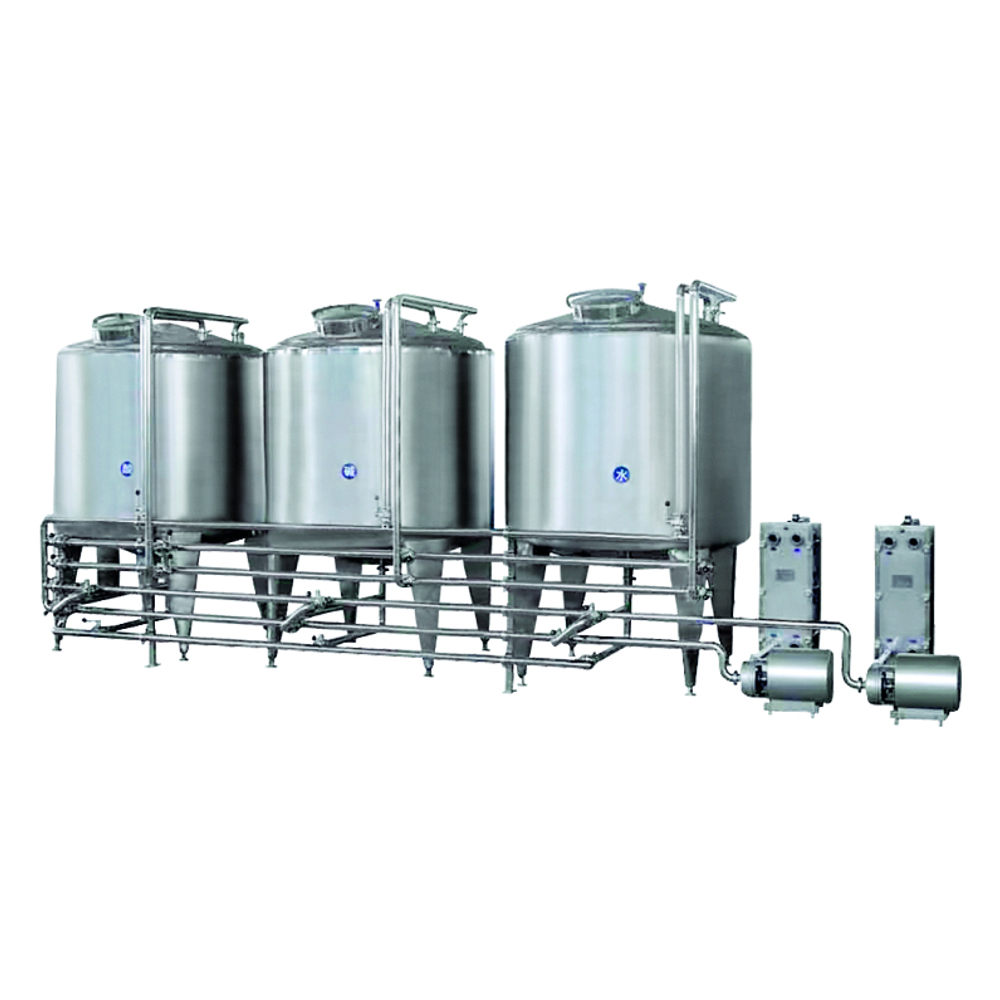
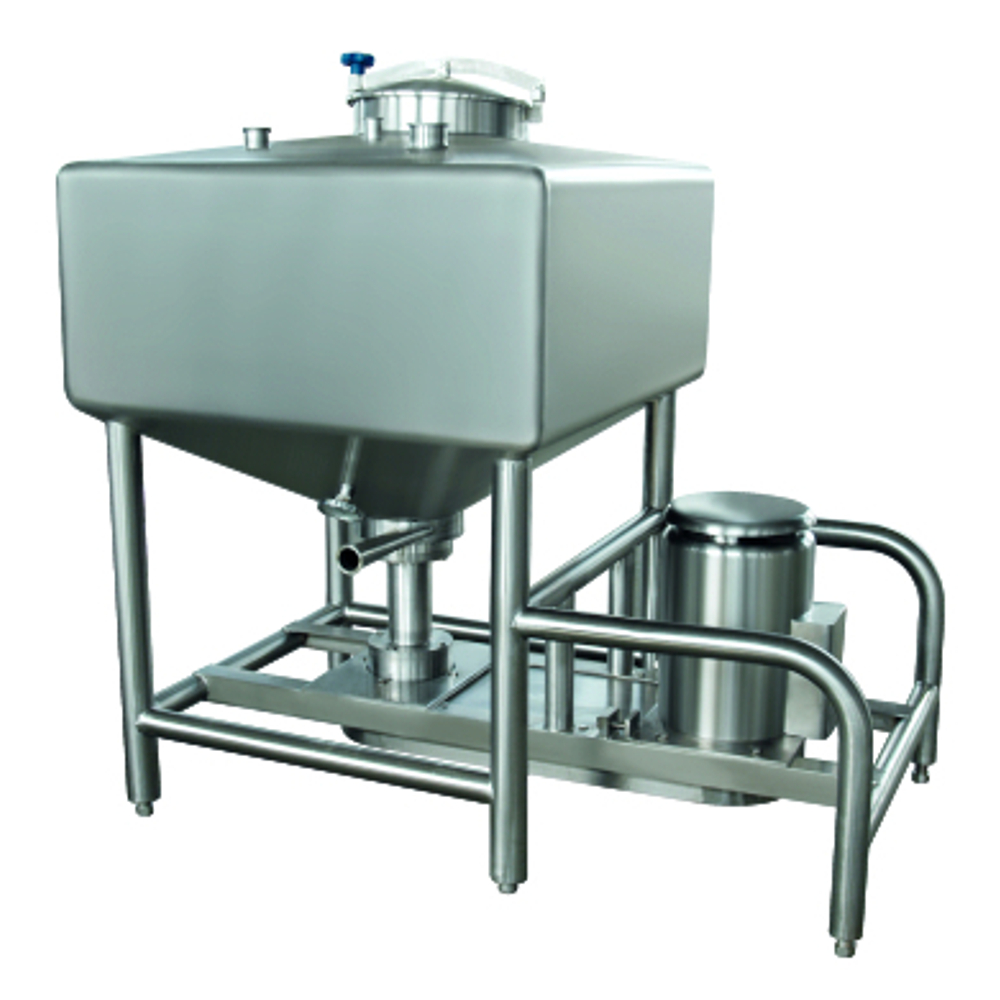
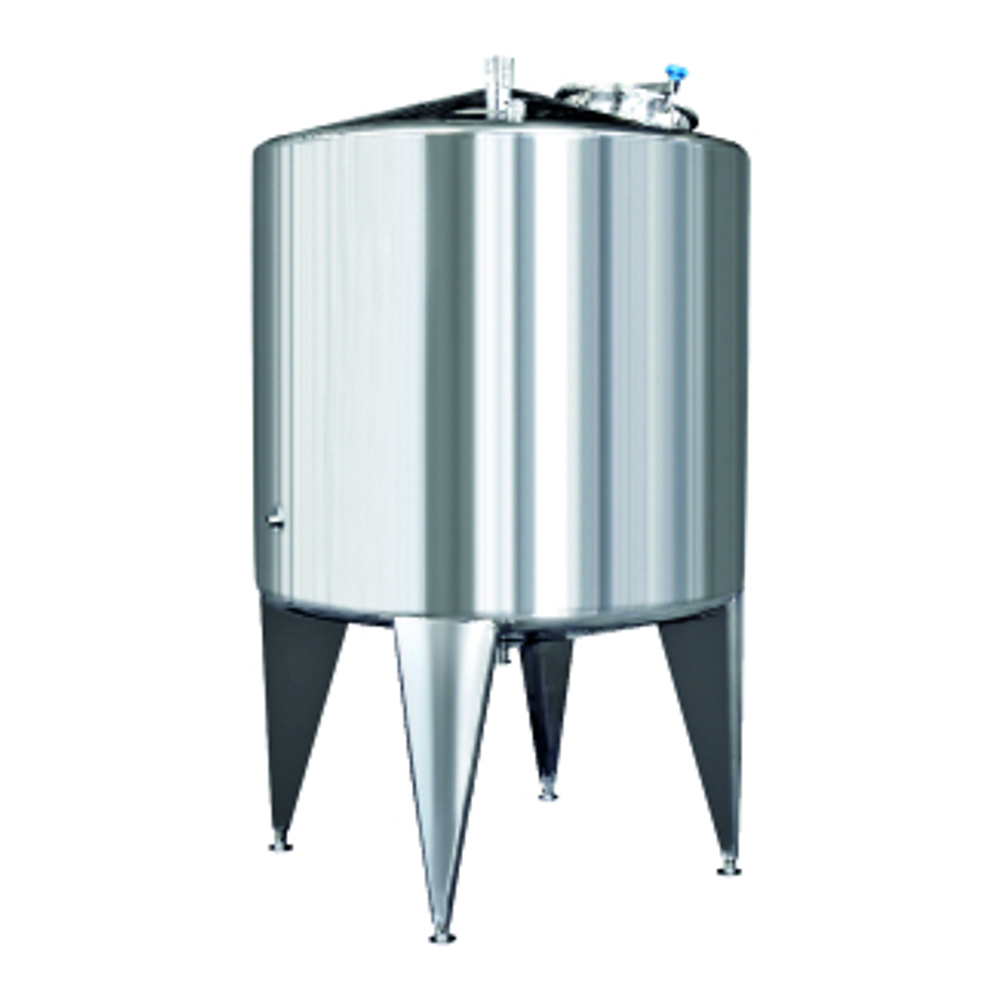
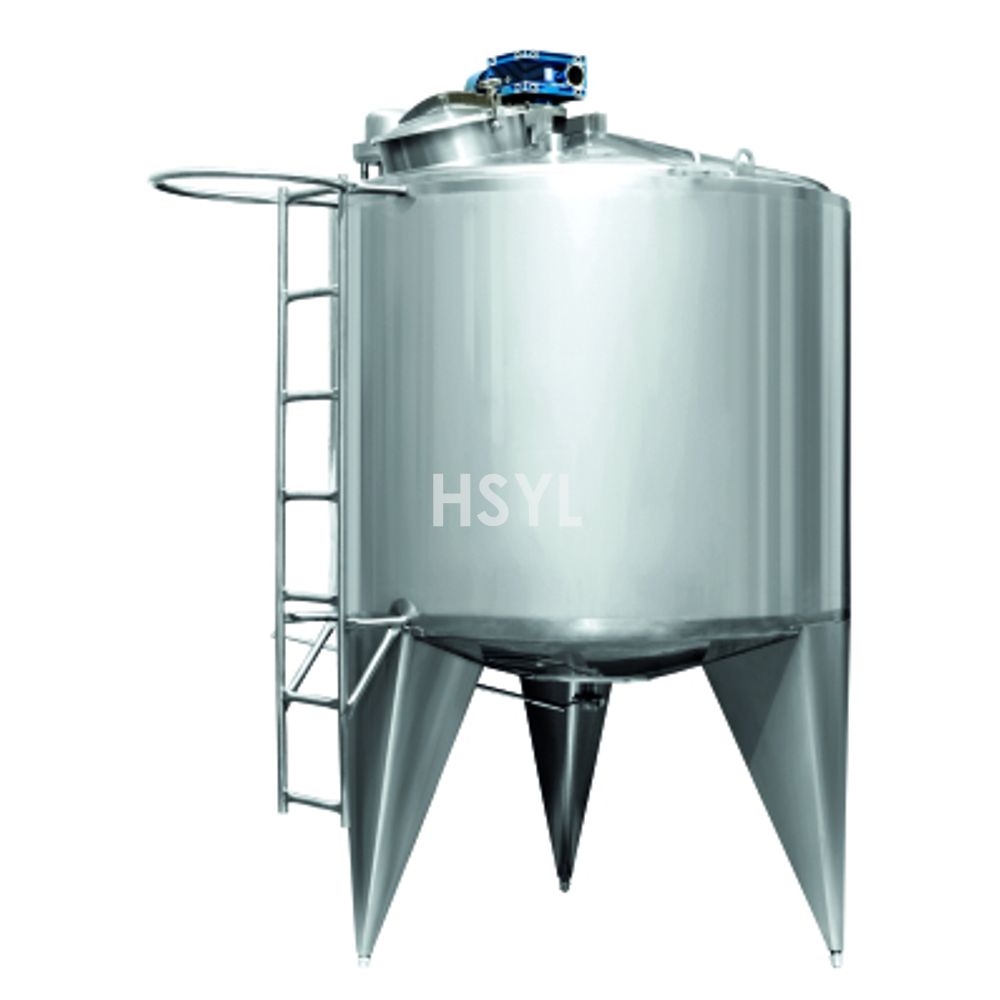
This cost divergence is not arbitrary; it directly reflects pressure vessel design ratings, metallurgical purity, internal surface topography, thermal exchange jacketing, and agitator drive mechanics, as exemplified across our stainless steel storage and mixing tanks portfolio.
Understanding these engineering variables allows food processors to tailor vessel specifications precisely to product rheology, avoiding either under-specifying sanitary components or over-paying for pharmaceutical-grade finishes where standard sanitary finishes suffice.
2. Metallurgy Selection: AISI 304 vs Acid-Resistant AISI 316L Fabrication
The raw steel composition establishes the baseline material investment. Industrial food vessels require certified austenitic stainless steel:
- AISI 304 (1.4301): Contains 18% chromium and 8% nickel; provides excellent corrosion resistance for standard syrups, dairy products, vegetable oils, and neutral food suspensions.
- AISI 316L (1.4404): Adds 2.0% to 3.0% molybdenum and reduces carbon content (< 0.03%). Essential for acidic foods (tomato paste, vinegar formulations, citrus dressings) and high-saline brines, preventing localized pitting and intergranular stress corrosion cracking. AISI 316L material raw costs typically exceed 304 by 30% to 45%.
High-quality manufacturers provide positive material identification (PMI) testing and EN 10204 3.1 mill test certificates to ensure that imported vessel plates contain verified nickel and molybdenum levels.
3. Surface Roughness Standards: 2B Mill vs Mechanical Mirror Polishing (Ra < 0.4 um)
Internal surface finish governs hygiene and Clean-in-Place (CIP) effectiveness. Standard 2B cold-rolled mill finishes possess micro-crevices (Ra 0.8 - 1.2 um) where bacteria and product residues can shelter. Food and dairy regulations mandate internal grinding and mechanical mirror polishing to Ra <= 0.4 um, followed by chemical acid passivation.
Achieving this level of surface smoothness requires dozens of manual grinding hours by certified metal finishers, representing a significant labor cost component reflected in quality tank quotations.
Electropolishing represents a further optional enhancement that strips microscopic metal peaks via electrochemical dissolution, yielding an ultra-smooth hydrophobic surface that accelerates drainage and prevents sticky syrups from adhering to vessel walls.
4. Thermal Jacketing: Atmospheric, Dimple Jacket, and Half-Pipe Coils
Vessels intended for cooking, pasteurizing, or cooling require external thermal exchange jackets, as engineered in our jacketed heating and cooling tank series:
Dimple (Pillow) Jackets: Welded to the vessel shell via laser or resistance spot welds and expanded hydrostatically. Highly cost-effective for cooling glycol and low-pressure steam (up to 0.3 MPa).
Half-Pipe Coil Jackets: Stainless steel pipe split in half and continuously welded in a spiral around the vessel exterior. Offers superior structural containment for high-pressure steam (0.6 to 1.0 MPa) and resists thermal shock during rapid hot/cold transitions.
Insulation & Cladding: All thermal tanks require rockwool or polyurethane insulation wrapped in a fully seal-welded stainless steel outer jacket to protect personnel and conserve plant thermal energy.
Properly insulated vessels reduce steam consumption by 25% to 40% compared to uninsulated tanks, yielding rapid energy savings across round-the-clock sauce cooking shifts.
5. Agitation Dynamics: Anchor with Scrapers, Propeller, or High-Shear Emulsifier
The agitator motor, gearbox, and impeller assembly represent up to 40% of the total equipment cost:
- Top-Entering Turbine / Marine Propeller: Low-shear, high-flow mixing for low-viscosity liquid-liquid blending; economical motor sizing (1.5 kW to 3.0 kW).
- Anchor Agitator with PTFE Scrapers: Heavy-duty, low-speed (15 to 45 RPM) planetary or anchor frame equipped with food-grade Teflon scraper blades that continuously wipe heated vessel walls, preventing caramelization and product burn-on during viscous sauce cooking.
- Bottom-Entering High-Shear Emulsifier: Rotor-stator generator spinning at 2800 RPM to break down powders, starch lumps, and oil-water emulsions; requires specialized double-mechanical sanitary shaft seals with continuous sterile water flushing.
Dual-action agitators that combine a slow outer wall-scraping anchor with a fast central counter-rotating disperser represent the pinnacle of mixing flexibility, handling viscosities up to 60,000 cPs.
6. Procurement RFQ Specification and Scope Demarcation Matrix
To establish clean quotation comparability across competing tank fabricators, engineering teams should mandate adherence to the specification matrix below:
| Vessel Subsystem | Basic Storage / Blending Scope | Sanitary Processing & Cooking Scope | Quotation Impact Variable |
|---|---|---|---|
| Wetted Metallurgy | AISI 304 (Shell thickness 3.0 mm) | AISI 316L (Shell thickness 4.0 - 6.0 mm) | Raw material cost, welding wire grade |
| Internal Finish | 2B finish / welds ground flush | Mirror polish Ra < 0.4 um + Passivation | Skilled labor grinding hours, sanitary compliance |
| Thermal Jacket | None (Single wall) | Dimple / Half-pipe jacket rated 0.4 MPa + Insulation | Pressure vessel welding, relief valves, cladding |
| Agitator System | Fixed-speed direct propeller | Anchor scraper + High-shear dual drive with VFD | Motor kW, sanitary mechanical seals, gearboxes |
| Instrumentation | Manual dial thermometer | RTD Pt100, Load cells (weight), Level sensors | PLC integration, automated recipe control |
Standardizing RFQs using this matrix eliminates post-award surprise charges for essential food-contact sanitary hardware.
Thermal Exchange Calculation and Steam Enthalpy Requirements
Sizing steam jackets for food cooking and blending tanks requires rigorous thermodynamic calculation. Thermal energy required to heat liquid batches is expressed by:
Q = m * Cp * Delta-T, where m is batch mass (kg), Cp is specific heat capacity (typically 3.8 to 4.18 kJ/kgK for water and food sauces), and Delta-T is temperature rise (deg C). For a 2,000-liter batch heated from 20 deg C to 95 deg C in 45 minutes: Q = 2000 * 3.9 * 75 = 585,000 kJ. Factoring jacket heat transfer efficiency (85%) and steam latent enthalpy (2,160 kJ/kg at 0.3 MPa), the boiler must supply approximately 318 kg/h of dry saturated steam.
Proper steam trap sizing (utilizing thermodynamic or inverted bucket traps with air vents) prevents condensate logging in dimple jackets, ensuring rapid heat-up rates and preventing temperature stratification throughout the product volume.
CIP Spray Ball Coverage Validation and Sanitary Seal Care
Hygienic validation requires documented riboflavin testing to verify Clean-in-Place cleanability. Technicians coat internal vessel surfaces, baffle plates, agitator shafts, and lid manways with riboflavin solution, run an automated CIP cycle, and inspect surfaces with ultraviolet (UV) blacklight to confirm 100% soil removal without spray shadow dead zones.
Agitator drive shafts require sanitary mechanical seals or lip seal cartridges flushed with food-grade barrier fluid. Regular lubrication of gearbox bearings with NSF H1 registered food grease prevents oil leakage into the food batch, ensuring compliance with global GFSI food safety schemes.
7. Quality Certification: Hydrostatic Pressure Testing and Mill Test Reports
A legitimate industrial quotation must encompass documented quality assurance protocols. Pressure jackets must undergo hydrostatic pressure testing at 1.5 times the design working pressure, held for a minimum of 30 minutes without pressure decay.
Fabrication packages must deliver EN 10204 3.1 Material Test Certificates, food-grade FDA compliance letters for all elastomer seals (EPDM, FKM, PTFE), surface roughness profilometer test logs, and electrical safety CE compliance certificates.
Pre-shipment inspection should verify weld bead uniformity, internal radiused corners (minimum R >= 10 mm to prevent product entrapment), and spray ball cleanability coverage via riboflavin rinse testing.
6. Thermal Exchange Calculation and Steam Enthalpy Requirements
Sizing steam jackets for food cooking and blending tanks requires rigorous thermodynamic calculation. Thermal energy required to heat liquid batches is expressed by:
Q = m * Cp * Delta-T, where m is batch mass (kg), Cp is specific heat capacity (typically 3.8 to 4.18 kJ/kgK for water and food sauces), and Delta-T is temperature rise (deg C). For a 2,000-liter batch heated from 20 deg C to 95 deg C in 45 minutes: Q = 2000 * 3.9 * 75 = 585,000 kJ. Factoring jacket heat transfer efficiency (85%) and steam latent enthalpy (2,160 kJ/kg at 0.3 MPa), the boiler must supply approximately 318 kg/h of dry saturated steam.
Proper steam trap sizing (utilizing thermodynamic or inverted bucket traps with air vents) prevents condensate logging in dimple jackets, ensuring rapid heat-up rates and preventing temperature stratification throughout the product volume.
7. Fluid Dynamics and CIP Turbulent Velocity Requirements
Sanitary cleanability of storage and mixing vessels relies upon achieving fluid turbulence across all wetted contact boundaries. Automated Clean-in-Place (CIP) systems circulate 1.5% to 2.0% sodium hydroxide (caustic soda) solutions at 75 deg C to 85 deg C followed by peracetic acid sanitizing flushes.
To ensure total removal of caramelized sugars and stubborn protein films, fluid velocities inside vessel spray loops and return headers must exceed 1.5 meters per second, maintaining a Reynolds number (Re) greater than 10,000 to induce continuous hydrodynamic shear against tank walls, agitator blades, and baffle assemblies.
Related Articles


Get professional consultation
Do you have any questions or need technical support regarding the content of this article? Fill out the form below, and our expert team will provide you with professional solutions.