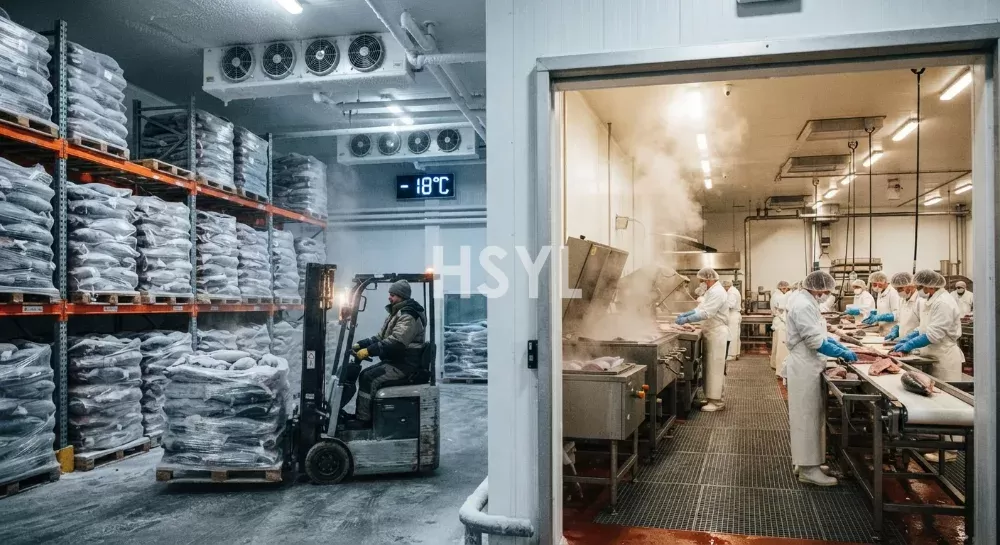
Seasonal Fish Canning: Cold Storage, Multi-Species Rotation and Year-Round Line Utilization
Direct AnswerThe most expensive asset in a fish cannery is not the retort or the...

Eel canning production line for roasted eel and kabayaki products. Configure portion packing, sauce filling, can seaming and retort handling for your plant.
The HSYL eel canning production line is configured around your incoming eel material, finished product and container format. Project planning covers eel preparation, portion packing, sauce dosing, can seaming, retort processing and final packaging.For complete autoclave batch scheduling and facility sanitation planning, refer to our engineering overview on canned luncheon meat production line.
For canned roasted eel and kabayaki-style products, the equipment selection starts with three practical requirements:
Incoming material: Specify whether the factory receives whole eel, cleaned fillets or prepared roasted portions. This determines the preparation equipment required before canning.
Portion presentation: Define the piece dimensions, skin orientation and arrangement inside each can. Packing trials help establish the handling method and level of automation.
Sauce formulation: Provide sauce samples and filling conditions so that the dosing system can be assessed for viscosity, suspended ingredients and cleaning requirements.
The resulting equipment scope should connect these product requirements with the required finished output and available factory space.
| Specification Parameter | Technical Data |
|---|---|
| Model Configuration | HSYL-ECL-150 Turnkey Line |
| Production Capacity | 60 - 150 cans / min (Adjustable via VFD) |
| Applicable Containers | Tinplate, Aluminum, Easy-Open Ends (EOE), Oval Cans |
| Total Installed Power | Approx. 115 kW |
| Standard Power Supply | 380V / 50Hz / 3 Phase (Customizable) |
| Steam Consumption | 1500 - 1800 kg / h (Operational pressure: 0.6 - 0.8 MPa) |
| Compressed Air Requirement | 0.6 MPa / 3.0 m3 / min |
| Line Footprint (L x W x H) | Approx. 32,000 x 4,500 x 2,800 mm |
| Core Material Grade | SUS304 / 316L Food-Grade Stainless Steel |
A factory receiving whole eel needs a different preparation section from one purchasing ready-to-pack roasted portions. Define the receiving condition, cleaning and trimming requirements, bone specification and any roasting or seasoning steps before selecting the upstream equipment.
For products sold with neatly arranged eel pieces, packing quality is an important acceptance criterion. Evaluate portion dimensions, breakage and presentation using representative product samples. Manual placement, assisted packing or automated handling should be selected according to the product and required output.
Specify the sauce recipe, viscosity at filling temperature, particle size and target dose when selecting the filling system. A formulation containing suspended ingredients may require a different pump, valve or nozzle arrangement from a smooth sauce.
Where temperature control or agitation is required, include these functions in the agreed equipment scope. Filling trials should assess dose consistency, dripping, product disturbance and access for cleaning.
Select seaming tooling for the exact can body and end combination. Round and oval containers require their own compatibility assessment; changing container format may involve tooling and handling adjustments.
The processing sequence should define product packing, sauce dosing, headspace control, closure inspection and transfer to the retort. Exhausting or vacuum requirements must match the selected product and container.
A qualified thermal processing authority must establish the scheduled process for the finished pack. Retort temperature and pressure records support process monitoring, but they do not independently demonstrate heating at the slowest-heating location inside the food.
Evaluate eel appearance, texture and sauce quality after the complete processing cycle when assessing a proposed configuration.
Size the line around acceptable finished cans per shift. Eel preparation, portion placement, filling, seaming and retort availability can each limit output.
A seamer's rated speed alone does not establish finished shift production. Capacity calculations should include operating time, changeovers, cleaning, rejects, retort loading and the full heating and cooling cycle.
For factories producing several eel recipes or can sizes, include the intended product mix and changeover frequency in the production plan.
Define cleaning procedures for each module. Removable product-contact parts, open packing areas and enclosed sauce circuits have different cleaning needs. Any clean-in-place provision should identify the specific circuits covered.
Before ordering, agree on the equipment list, utility requirements, container tooling, documentation and acceptance criteria. Product trials should use representative eel portions, sauce and containers.
Specify the required installation, training and commissioning services in the quotation. Applicable pressure-vessel documentation and equipment certifications should be confirmed for the selected configuration and destination market.
To acquire precise capacity configurations, utility consumption models, or detailed 3D facility layout blueprints for the Automatic Eel Canned Food Production Line, please contact our engineering division. Request a formal technical quotation and schedule a consultation to discuss your specific container dimensions, sauce viscosities, and target output requirements.


Direct AnswerThe most expensive asset in a fish cannery is not the retort or the...
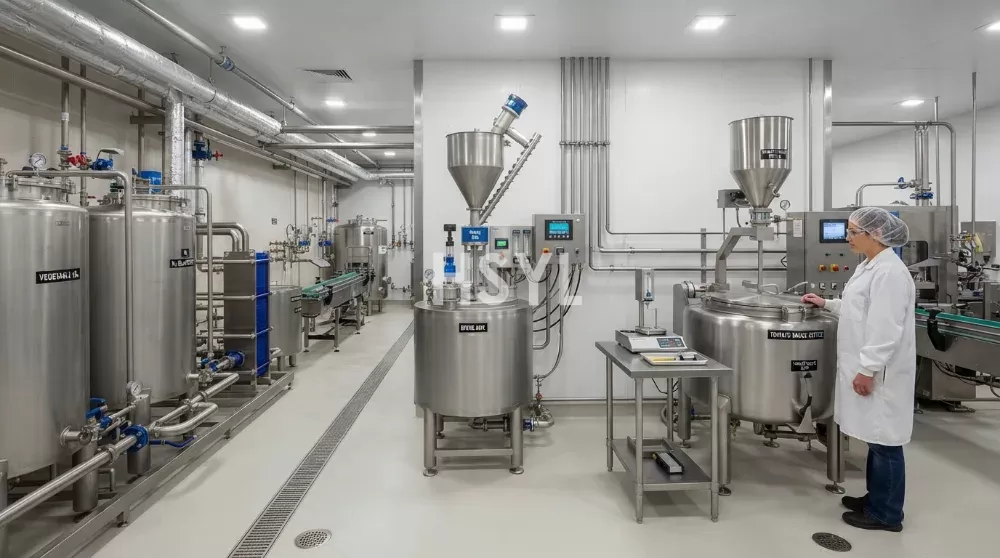
The filling medium — the liquid that fills the void spaces between the fish piec...
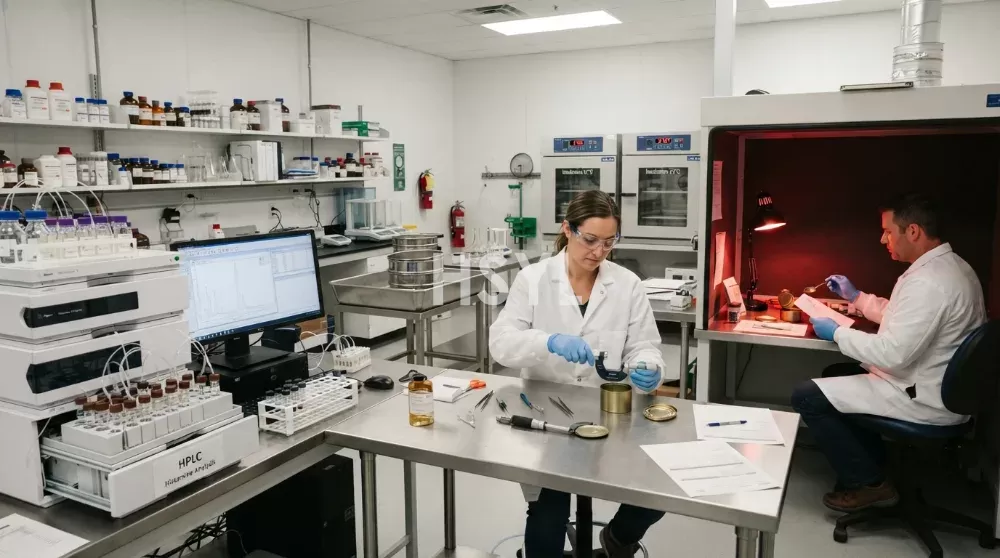
A sardine and mackerel canning line processes small pelagic fish — typically 10–...
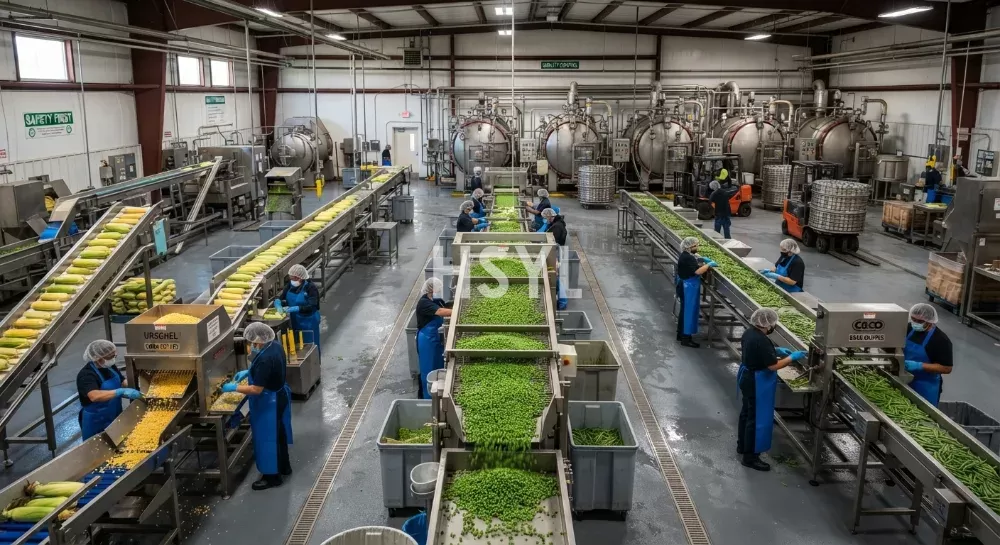
Direct AnswerA low-acid canned vegetable processing line — corn, peas, and green...