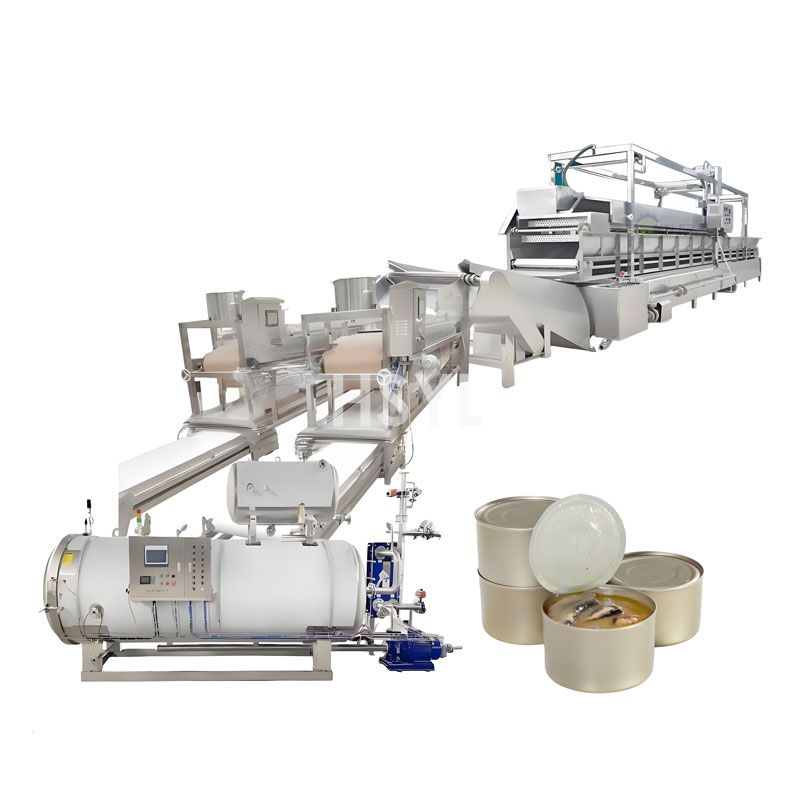
Matching sardine size to can geometry requires more than comparing average fish length with the outside dimensions of a can. The usable packing space, fish shape, natural size distribution and placement pattern all influence presentation and handling losses.
Prepare actual container drawings and representative fish when reviewing a sardine canning configuration. The aim is to identify combinations that can be demonstrated consistently, rather than forcing every fish grade into one assumed pattern.
Use distributions rather than a single average
Record a justified sample of lengths and other relevant dimensions. Keep the lot and grading method identifiable. Two lots with the same mean can have different numbers of fish at the small and large ends of the range.
| Evidence | What it establishes |
|---|---|
| Fish dimension range | The material presented to packing |
| Container drawing | The defined container and usable geometry |
| Placement record | Count, orientation and arrangement |
| Trial observations | Damage, trimming and accepted presentation |
Define the intended arrangement
Agree fish count or presentation objectives where relevant, but distinguish these from the approved fill and process requirements. Record whether placement needs sorting, trimming or manual correction. These tasks belong in the labor and accepted-output assessment.
Review the packing operation within the full fish canning route. A satisfactory empty-can arrangement does not establish the condition of the product after medium addition, closure and the approved thermal process.
Include the complete pack in the assessment
Use the intended can-and-end combination and medium. Keep the preparation and processing records associated with each trial group. Evaluate the finished presentation under defined conditions, with separate observations for broken fish, excessive adjustment and inconsistent placement.
Do not calculate a universal capacity from the best-looking sample. The trial should reveal how natural material variation affects accepted output and the amount of intervention required.
Use the result to set purchasing inputs
The final specification can identify the fish-grade range, packaging references, placement objective and demonstrated configuration. Record exclusions where a grade or container remains untested. Share this specification with both fish procurement and the equipment supplier so that future raw-material changes do not undermine the packing basis.
If the factory needs several can sizes, retain a separate evidence set for each material-and-container combination that changes the operation materially.
Frequently Asked Questions
Can fish count alone define a sardine pack?
Should the largest fish determine the whole line setup?
What happens when the can supplier changes?
Related Articles





Get professional consultation
Do you have any questions or need technical support regarding the content of this article? Fill out the form below, and our expert team will provide you with professional solutions.