Gain in-depth insights into Trolley-type Large Steam Room — High-Capacity Mobile Electric Steam Cabinet for Central Kitchens & Institutions equipment’s working principles, application scenarios, and technical highlights.
Maximum Throughput That Moves With Your Operation
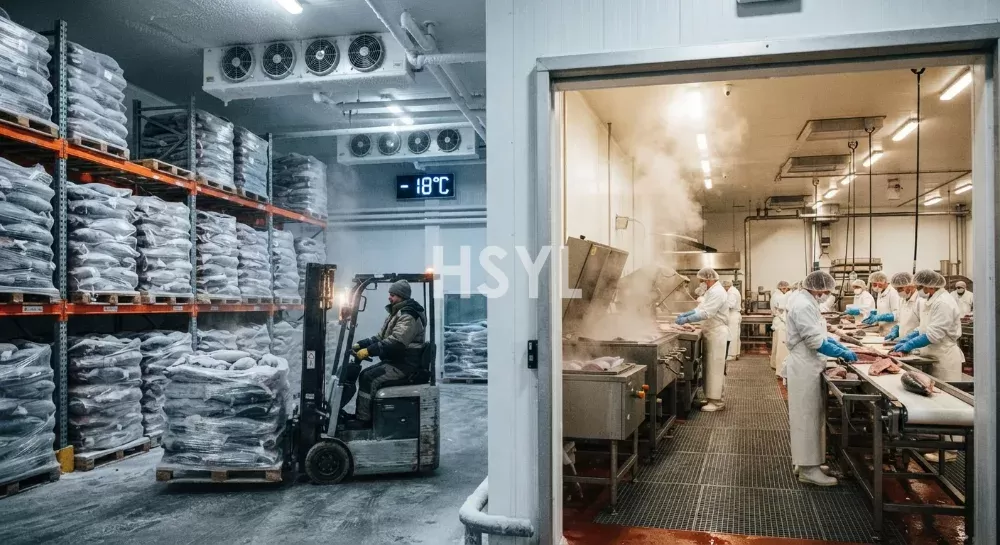
Central kitchens feeding thousands daily. Institutional canteens serving factory shifts, university dining halls, military mess halls, and hospital wards where meal volume directly determines equipment sizing decisions. Hotel banquet departments executing simultaneous service for ballroom-scale events. Catering operations that set up in one location today and another tomorrow. These environments share a common constraint that standard fixed-mount steam cabinets cannot address: the need for industrial-grade throughput combined with the flexibility to relocate equipment between preparation zones, loading docks, satellite kitchens, and temporary event sites.
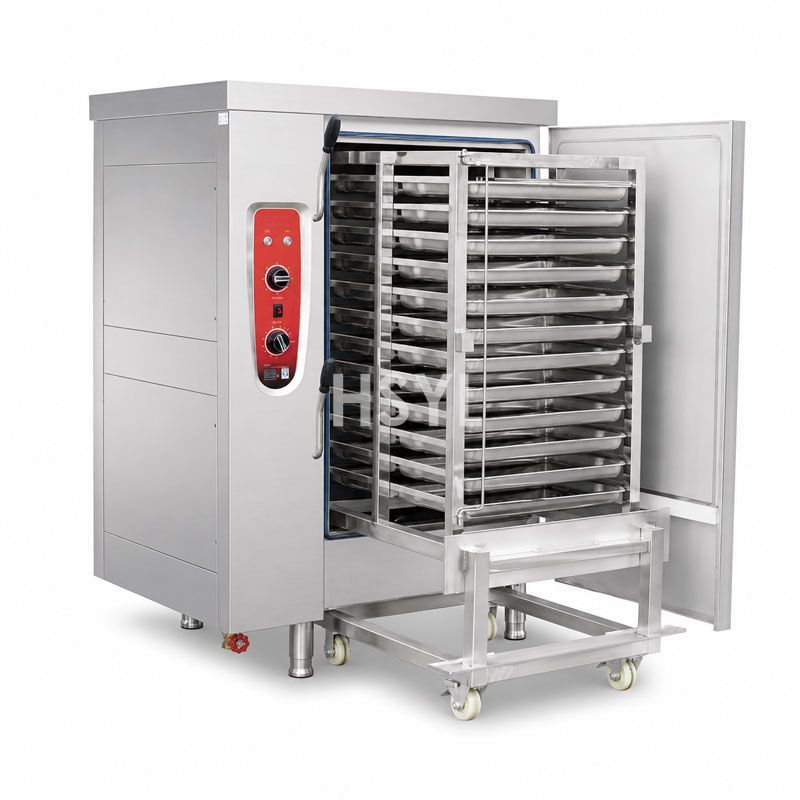
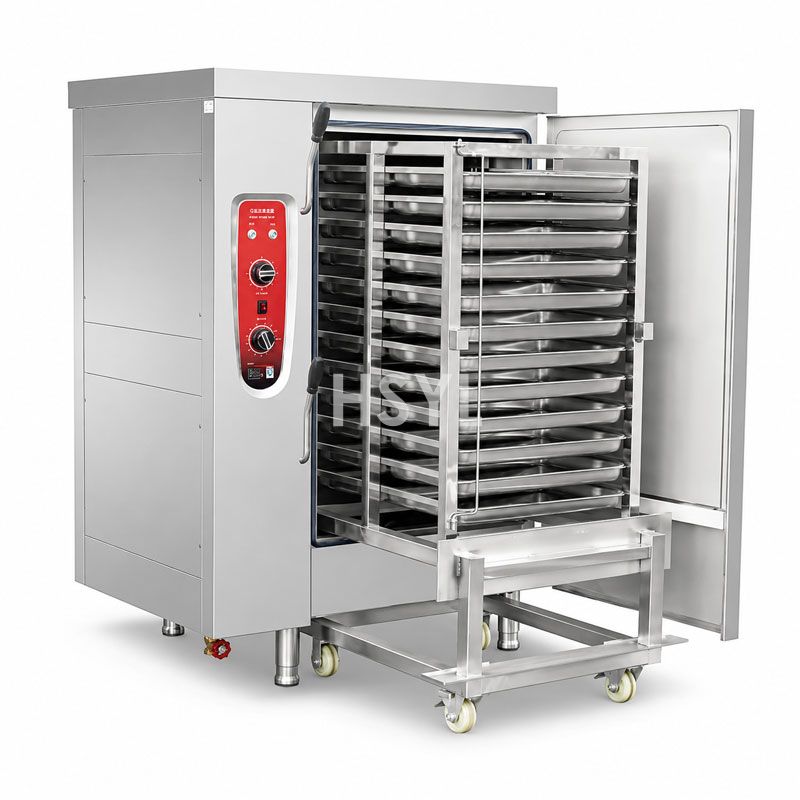
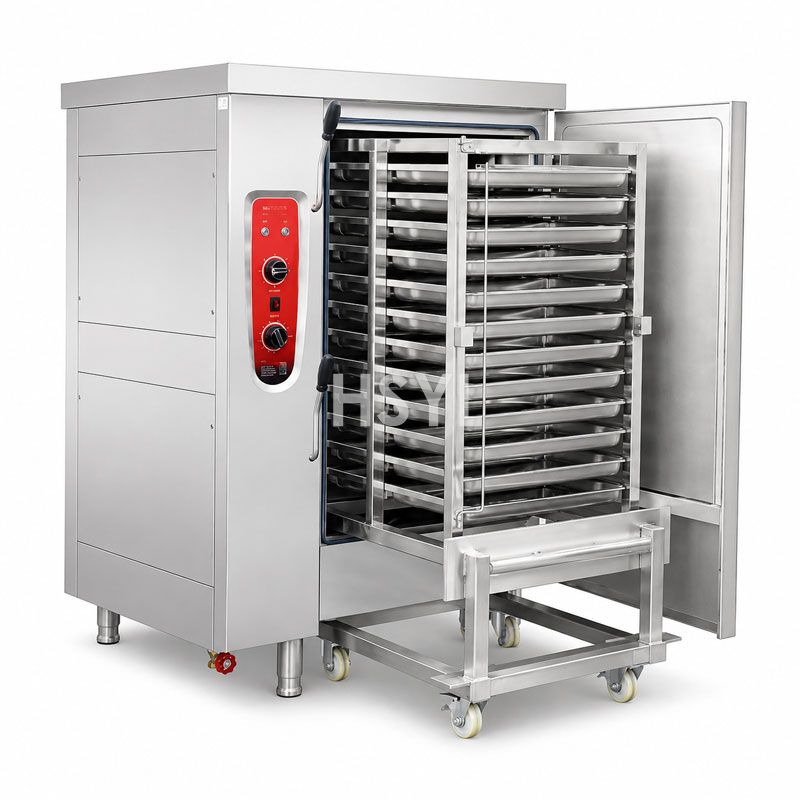
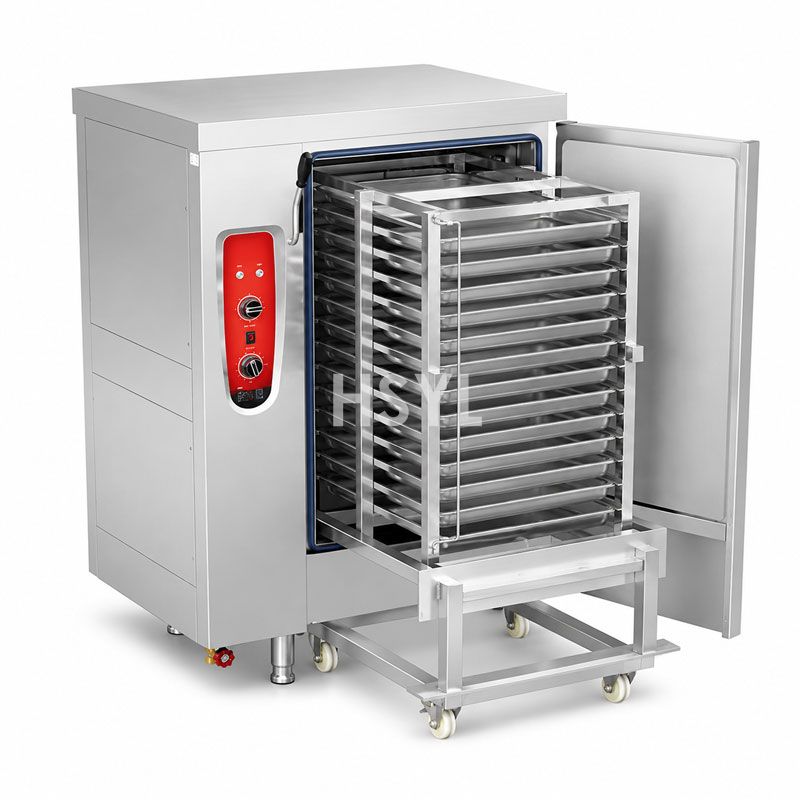
The HSYL Trolley-type Large Steam Room (DSR series) exists as the purpose-built response to that dual requirement. The DSR-24 delivers 96 kilograms of steam capacity per cycle across 24 trays at 24 kilowatts, while the DSR-30 extends to 120 kilograms across 30 trays at 30 kilowatts — representing the highest single-cycle output available in a standard-door configuration within the entire HSYL steamer equipment portfolio. Both models mount on an integrated trolley base equipped with heavy-duty caster wheels, allowing trained personnel to reposition the complete assembly including loaded trays between workstations, through wide doorways, into freight elevators, or across loading bay floors without disassembly or specialized handling equipment.
What separates the DSR series from simply being a large steamer placed on wheels is the depth of its engineering optimization around the mobile-high-throughput use case. The cabinet body features overall foaming construction with a 5.5 centimeter insulation layer — the thickest thermal barrier in any HSYL steamer series, providing measurable heat retention improvement over the 3.0 to 3.5 centimeter specifications found across other product lines. This translates directly to reduced energy consumption per kilogram of steamed output, lower external surface temperatures improving workplace safety in tight corridor passages, and more consistent chamber temperature stability during extended batch sequences common in institutional settings.
The DSR control architecture employs imported electronic components driving an intelligent touch panel interface with real-time temperature display, fault condition alarming, multiple programmable operating modes, and one-touch cycle initiation. This positions the DSR above mechanical timer-based alternatives (such as the EAB-DRS engineering series) in environments where precise repeatability across multiple operators and documented cycle parameters matter for quality assurance compliance. Safety systems include automatic water pressure relief valve engagement under abnormal pressure conditions, water shortage detection triggering immediate power cutoff before dry-heating can occur, and the multi-airbag embedded silicone door seal maintaining chamber integrity throughout each cycle regardless of trolley movement-induced vibration.
A design detail unique to the DSR line within HSYL production is the separable tray rack configuration: the complete loaded tray assembly detaches from the main cabinet body as a unit, enabling direct transport of steamed products from the steam room location to serving lines or packaging stations without individual tray unloading at the equipment position. For banquet operations staging pre-steamed items in advance, for central kitchens distributing completed batches to satellite warming stations, and for any workflow where the steaming point and consumption point are physically separated, this separable-rack feature eliminates a full transfer handling step that every other fixed-cabinet steamer requires.
Technical Specifications
| Parameter | DSR-24 (24-Tray) | DSR-30 (30-Tray) |
|---|
| Model | DSR-24 | DSR-30 |
| Trays | 24 Trays | 30 Trays |
| Cabinet Size (W x D x H) | 1170 x 1075 x 1825 mm | 1170 x 1075 x 2080 mm |
| Rated Power | 24 kW | 30 kW |
| Voltage | 3~380V / 50Hz (three-phase only) |
| Capacity per Tray | 4 KG/Tray |
| Total Capacity | 96 KG | 120 KG |
| Water Input Pressure | ≤4 kPa |
| Steam Inlet | DN 20 mm |
| Tray Size | 400 x 600 x 50 mm |
| Vapor Pressure | ≤0.02 MPa |
| Plate Material | SUS304 Stainless Steel (full construction) |
| Insulation Layer Thickness | 5.5 cm (overall foaming) |
| Control System | Imported electronic controls with intelligent touch panel, temperature display, fault alarm |
| Safety Systems | Auto water pressure relief valve, water shortage protection, automatic power-off |
| Mobility Configuration | Trolley base with casters, separable tray rack |
| Net Weight | 43 kg | 52 kg |
Operation Process
- Position, Level & Connect Utilities. Roll the DSR trolley assembly to the designated operating position using the integrated caster wheels, engage wheel locks to prevent movement during the cycle, and verify the unit sits level on a floor surface capable of supporting approximately 150 kilograms (cabinet plus fully-loaded water and food). Connect the three-phase 380V power supply to the terminal block confirming correct phase sequence, connect pressurized water supply to the DN 20mm inlet ensuring pressure does not exceed 4 kPa, and confirm drainage pathway is clear beneath or adjacent to the unit position. The trolley design allows positioning near any floor drain or into existing wash-down areas without permanent plumbing connections if the facility supports flexible utility routing.
- Select Mode, Load & Initiate. Power on the unit via the touch panel, select the appropriate operating mode matching your food type and desired intensity level from the programmed menu, and allow the electronic control system to execute preheat and steam generation startup automatically. Load food items onto the 400 by 600 millimeter trays using perforated steam pans or direct placement as appropriate, slide the loaded trays into rack positions (24 slots for DSR-24, 30 slots for DSR-30), close and latch the door confirming the multiple-airbag seal compresses fully against the frame. Touch the one-click start command on the panel to begin the cycle — the imported electronics manage heating element sequencing, pressure regulation, timing, and safety monitoring autonomously from this point without operator intervention until completion signaling.
- Monitor, Complete & Separate Rack. Observe the real-time temperature display and status indicators on the touch panel during the active cycle which typically ranges from 15 to 45 minutes depending on food type and load density. When the fault-free completion signal activates (visual and audible depending on configuration), open the door carefully directing initial steam venting away from the operating area. Detach the complete tray rack assembly from the cabinet body using the quick-release mechanism — this separable-rack feature allows transport of all finished product simultaneously as one unit to serving lines, packaging stations, or warming holding areas without removing individual trays at the equipment position. Return the empty rack to the cabinet and relatch for the next cycle if continuous operation continues.
- Relocate, Drain & Maintain. After the final cycle of the current production session completes, unlock the caster wheels and roll the DSR assembly to its designated storage position or cleaning area. Open the drain valve allowing residual water to discharge into the floor drain or collection vessel. Wipe interior surfaces with a damp cloth while the unit remains warm for easier residue release. Inspect the door seal, heating elements, and caster assemblies weekly for wear indicators. Schedule professional descaling of the water circuit quarterly in hard-water regions given the 24 to 30 kilowatt heating intensity accelerates mineral deposition relative to lower-power units. Document cycle counts and any fault alarm events in the maintenance log for warranty tracking and preventive replacement scheduling.
Applications & Use Cases
Food Compatibility Matrix
| Category | Items | Typical Time Range | Notes |
|---|
| Staples | Steamed rice (bulk batches) | 25-40 min | Full 24-30 tray utilization maximizes batch economics |
| Dim Sum / Bakery | Buns, dumplings, rolls, pastries (volume production) | 12-22 min | Ideal for banquet pre-staging and wholesale output |
| Seafood | Whole fish, shellfish platters, shrimp portions | 10-20 min | Large chamber accommodates whole-fish platters unavailable in smaller units |
| Vegetables | Corn, potatoes, root vegetables (case quantities) | 15-28 min | Institutional bulk vegetable prep for 500+ servings |
| Meat dishes | Whole chickens, pork shoulders, meatballs (large cuts) | 25-45 min | Chamber height supports taller load configurations |
| Grains & Others | Tamales, corn husk wraps, steamed puddings | 18-35 min | High-volume cultural cuisine production |
High-Temperature Steam Sterilization
With its 96 to 120 kilogram total chamber volume and sustained steam generation at 24 to 30 kilowatts input, the DSR serves effectively as a centralized sterilization station for large-scale utensil, tray, cutting board, container, and equipment sanitization needs. Run a dedicated sterilization cycle with empty or rack-only loading to process hundreds of items simultaneously — particularly valuable in institutional settings where manual dishwashing labor costs favor batch steam sanitization and where regulatory inspection protocols require documented high-temperature exposure records that the DSR electronic control system's cycle logging capability can support.
Target Environment Profiles
- Central Kitchens (2000+ meals/day). Primary design reference environment. Single DSR-30 producing 120 kilograms per cycle handles substantial portion of daily steaming demand. Trolley mobility allows morning positioning at prep zone, midday relocation to distribution dock, afternoon return to cleaning bay without fixed-position constraints limiting kitchen layout flexibility.
- Institutional Canteens (factories, schools/universities, military, hospitals). High-volume repetitive menu patterns benefit from the DSR's large batch capacity reducing cycle count per service period. Electronic touch controls ensure consistency across shift changes with varying operator experience levels. Fault alarm logging supports maintenance scheduling compliance required in regulated institutional environments.
- Hotel Banquet Operations. Pre-staging capability for ballroom-scale events: load DSR-24 or DSR-30 with complete banquet course steamed items hours before service, hold in warmed state, then wheel trolley directly to satellite serving station or buffet line. Separable rack transfers entire course load in one handling operation.
- Large Restaurant Groups with Central Prep. Consolidated steaming at commissary level using DSR units producing 96-120 kg batches for distribution to satellite retail locations. Trolley base enables movement between receiving dock, production floor, and shipping area within the commissary workflow.
- Event & Contract Catering. Temporary installation capability at event venues, festival grounds, or client sites requiring industrial steam capacity without permanent installation investment. Roll in, connect utilities, produce, roll out — complete deployment cycle measured in minutes rather than days.
Advantages of the DSR Trolley Steam Room Series
- Thickest-in-Family 5.5 Centimeter Insulation Layer. At 5.5 centimeters of overall foaming insulation, the DSR series exceeds every other HSYL steamer product line by a minimum 2 centimeter margin (compared to 3.0 to 3.5 centimeter specifications across Economic, Gas, MINI, and Engineering Auto series). This additional thermal mass delivers measurable reductions in heat loss during extended batch sequences typical of institutional operations, lowers external surface temperatures improving corridor and workspace safety when moving the trolley through occupied areas, and contributes to reduced kilowatt-hour consumption per kilogram of steamed output over the equipment service life.
- Integrated Trolley Base with Separable Tray Rack. The DSR is the only steamer in the HSYL catalog engineered from inception around a mobile platform rather than adapted to optional mobility accessories. Heavy-duty caster wheels support the fully-loaded unit weight, the separable rack mechanism detaches the complete loaded tray assembly for direct product transport to serving or packaging points, and the trolley frame provides structural rigidity during transit that would challenge conventional cabinet designs not reinforced for movement-induced stress. For any workflow where steaming location and consumption location differ, the separable rack eliminates one full material-handling step per cycle.
- Imported Electronic Controls with Intelligent Interface. The DSR touch-panel control system represents the highest automation tier in the HSYL steamer lineup: real-time temperature display providing continuous process visibility, automatic fault detection with specific alarm codes identifying issues before they cause product loss or safety incidents, multiple programmable modes accommodating different food categories without manual parameter adjustment between cycles, and one-touch cycle initiation reducing operator training burden and eliminating setup variability. This electronic precision positions the DSR above mechanical-timer alternatives for environments requiring documented process control and audit trail capabilities.
- Maximum Single-Unit Standard-Door Throughput. With 30 trays and 120 kilograms per cycle capacity, the DSR-30 delivers the highest output achievable in a single standard-horizontal-door HSYL steamer cabinet. For facilities evaluating whether to deploy one DSR-30 versus multiple smaller units, the consolidated approach reduces total equipment footprint, simplifies utility connection management to one 30-kilowatt three-phase point instead of distributed smaller loads, reduces cumulative maintenance touchpoints, and leverages the superior 5.5 centimeter insulation across the entire production volume rather than spreading it across multiple thinner-insulated bodies.
- Full SUS304 Premium Construction. Every exposed and contact surface on the DSR series uses SUS304 stainless steel — interior chamber walls, exterior panels, heating element sheathing, door frame, tray racks, and trolley frame. This uniform material specification provides corrosion resistance performance suitable for aggressive cleaning chemical environments common in institutional kitchens, coastal or marine-exposed installation sites, and high-humidity tropical operating conditions where lower-grade alloys would exhibit accelerated degradation requiring earlier replacement cycles.
Complete Your High-Capacity Steam Production Line
- Automatic Steamer Cabinet (EBA-DRS Series) — For facilities comparing digital automation approaches: the EBA-DRS automatic series offers programmable cycle memory, LCD display interface, and automatic reset functionality alongside its own capacity range for buyers evaluating electronic control philosophies side-by-side with the DSR touch-panel system.
- Commercial Kitchen Solutions — Comprehensive workflow planning guidance integrating DSR trolley steam rooms into complete central kitchen layouts covering utility infrastructure sizing for 24-30 kilowatt three-phase loads, floor drainage coordination, equipment zoning for trolley movement paths, and upstream-downstream equipment adjacency optimization.
- SD Square Ice Series — Complementary cold-production capability for the same facility: cube ice, square ice, and crushed ice machines providing chilled beverage support alongside hot steam production in institutional settings where both temperature extremes serve daily menu requirements.
- Food Factory Layout & Cost Guide — Infrastructure planning reference for facilities deploying 24-30 kilowatt steam equipment: electrical panel sizing, water supply pressure verification, drainage capacity calculation, ventilation requirements, and capital allocation frameworks for high-power kitchen installations.
Request DSR Trolley Steam Room Specification & Pricing
The DSR-24 (24-tray, 96 kg/cycle) and DSR-30 (30-tray, 120 kg/cycle) Trolley-type Large Steam Rooms represent HSYL's highest single-unit throughput offering in a mobile platform with the thickest insulation layer, most advanced electronic controls, and full premium material specification available across the complete steamer equipment portfolio. Designed specifically for central kitchens, institutional canteens, banquet operations, and contract caterers who require industrial-grade steam volume with the operational flexibility to move that capability wherever each day's production demands place it.
Contact HSYL for detailed technical specifications, current pricing, shipping estimates, electrical infrastructure requirements documentation, and application-specific recommendations for selecting between the DSR-24 and DSR-30 configurations based on your target daily portion volume, available three-phase electrical capacity, and facility layout constraints affecting trolley movement paths.