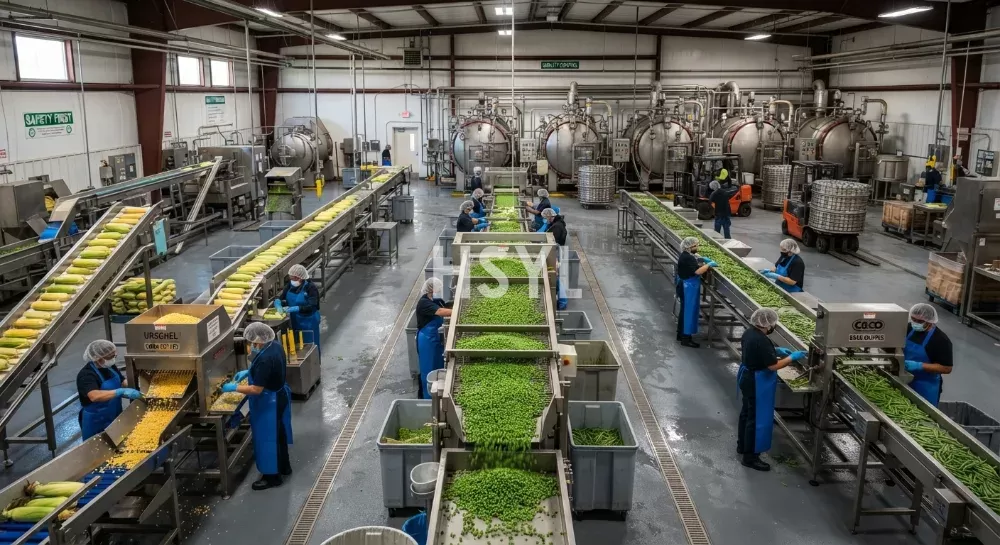
Low-Acid Canned Vegetables: Corn, Peas and Green Beans Processing Line
Direct AnswerA low-acid canned vegetable processing line — corn, peas, and green...


Classic meat slicer with anodized aluminum-magnesium alloy body for lightweight handling and hygiene. Factory OEM design, comparing alloy advantages vs stainless steel for commercial use.
A classic meat slicer is a core piece of equipment in meat processing plants, central kitchens, butcher shops, and food manufacturing facilities where consistent slicing thickness, hygiene control, and operational reliability are required on a daily basis. This equipment is designed to accurately portion fresh or chilled meat products while maintaining yield control and product appearance.
Buyers searching for a classic meat slicer are typically evaluating replacement of manual cutting, upgrading worn legacy equipment, or standardizing slicing operations across multiple production lines. The main concerns behind this search are slicing accuracy, food safety compliance, durability under continuous use, and long-term operating cost.
From a factory and OEM manufacturing perspective, this classic meat slicer model is engineered with an anodized aluminum-magnesium alloy body, combined with plastic legs and handle components to balance structural strength, corrosion resistance, hygiene, and operator ergonomics. It is intended for industrial and professional use environments rather than household or light-duty applications.
This solution targets factory owners, production supervisors, and procurement teams who require dependable slicing performance without unnecessary complexity, making it suitable for both centralized processing rooms and decentralized preparation areas.
The classic meat slicer is a mechanically driven cutting system built around a rotating circular blade, a sliding product carriage, and an adjustable thickness control mechanism. Meat products are positioned on the carriage and guided toward the blade at a controlled angle, ensuring clean and repeatable cuts.
In contrast, industrial food processing equipment typically uses stainless steel. Though heavier, stainless steel offers superior resilience under extreme conditions—including high temperatures, high-pressure washdowns, and aggressive chemicals—meeting the rigorous demands of large-scale, continuous production environments.
Plastic legs and handles are used in non-load-bearing contact points to improve grip, reduce vibration transfer, and prevent floor damage or corrosion. These components are food-grade and resistant to common cleaning agents.
The slicing thickness is adjusted via a calibrated control plate, allowing operators to set consistent slice dimensions across production runs. Power transmission is typically belt-driven or gear-assisted, depending on configuration, ensuring smooth blade rotation and reduced mechanical stress.
This design philosophy prioritizes mechanical simplicity, stable operation, and ease of maintenance, making the slicer suitable for long-term industrial use.
In real processing environments, meat slicing presents several recurring challenges that this classic meat slicer addresses directly.
Labor dependency is a major issue in manual slicing operations. Skilled knife work is increasingly difficult to staff and train, and labor costs continue to rise. A mechanical slicer reduces dependence on specialized manual labor while improving throughput consistency.
Yield loss and raw material waste are common in hand-cut operations. Inconsistent slice thickness can lead to trimming losses of 3–8% depending on product type. Controlled mechanical slicing significantly reduces these losses by maintaining uniform cut dimensions.
Hygiene and food safety risks increase with manual handling and repeated knife contact. The anodized aluminum-magnesium alloy body and smooth surfaces are designed to minimize residue buildup and simplify cleaning, reducing cross-contamination risk.
Product quality inconsistency is another common problem. Uneven slices affect portion control, packaging efficiency, and downstream cooking performance. A calibrated slicing mechanism ensures repeatable results across shifts and operators.
Finally, semi-manual operations limit scalability. As production volumes grow, manual slicing becomes a bottleneck. Integrating classic meat slicers allows incremental capacity increases without full line automation.
From an engineering and operational standpoint, this classic meat slicer incorporates several practical technical advantages.
The main frame and blade housing are constructed from anodized aluminum-magnesium alloy, offering corrosion resistance and structural stability in humid processing environments. Food-contact surfaces are smooth and non-porous, supporting hygienic operation.
Plastic legs provide stable footing and electrical insulation while simplifying floor cleaning. The plastic handle is ergonomically shaped to reduce operator fatigue during repetitive use.
The slicer is available in semi-automatic or operator-assisted configurations, with straightforward mechanical controls that minimize training requirements. Control logic focuses on reliability rather than unnecessary complexity.
Maintenance access is designed into the structure, allowing blade removal, belt inspection, and lubrication without extensive disassembly. This reduces downtime and lowers lifetime service costs.
Energy consumption is optimized through efficient motor selection and mechanical transmission, making the unit suitable for continuous daily operation without excessive power draw.
This classic meat slicer is commonly used in a range of professional processing environments.
In small to mid-scale meat processing plants, it is used for slicing fresh or chilled beef, pork, poultry, and processed meats prior to packaging or further processing.
Central kitchens and foodservice preparation facilities use this equipment to standardize portion sizes for cooked meats, deli products, and ready-to-eat meals.
Butcher shops and specialty meat retailers rely on classic slicers for daily counter operations, where reliability and easy cleaning are critical.
Food manufacturing plants producing sliced meat components for sandwiches, pizzas, or prepared meals integrate these slicers into prep rooms or pre-processing zones.
The machine performs reliably in temperature-controlled rooms and standard hygienic processing areas.
Capacity requirements for a classic meat slicer vary depending on application and operational structure.
Typical slicing capacities range from 100 kg/hour for intermittent use up to 300–500 kg/hour for continuous professional operation. Actual throughput depends on slice thickness, product firmness, and operator handling.
Buyers should select capacity based on daily output targets and shift patterns. For facilities operating one shift with moderate volume, a mid-range capacity unit is sufficient. Multi-shift operations or centralized slicing points may require higher-capacity configurations.
Available labor is another consideration. Manual loading slicers require one operator, while assisted-feed designs reduce physical effort and improve consistency.
Factory layout and available space also influence selection. Compact classic slicers fit well in constrained prep rooms, while larger units may be positioned in dedicated slicing zones.
Future expansion plans should be considered during selection to avoid early replacement or capacity bottlenecks.
From a return-on-investment perspective, the benefits of a classic meat slicer are measurable and practical.
Operational efficiency improves through faster slicing speeds and reduced rework. Even modest throughput improvements can significantly impact daily output.
Labor costs are reduced by shifting from skilled manual cutting to assisted mechanical slicing. One operator can handle higher volumes with less fatigue.
Yield consistency improves due to controlled slice thickness, reducing raw material loss over time.
Quality consistency supports better packaging, portion control, and customer satisfaction.
Compliance readiness is enhanced through hygienic design and easier sanitation, reducing the risk of non-compliance during audits.
Over the equipment lifecycle, stable mechanical design and low maintenance requirements contribute to predictable operating costs and long-term value.
As a direct factory and OEM manufacturer, customization and engineering support are integral to the offering.
OEM and ODM options are available for branding, structural modifications, and functional adjustments. Slice diameter, blade material, and motor specifications can be adapted to specific product requirements.
Electrical configurations can be matched to regional standards, including voltage, frequency, and plug types.
Engineering teams support integration into existing processing layouts, ensuring safe positioning and workflow compatibility.
Commissioning support, operation manuals, and maintenance guidance are provided to ensure smooth implementation and long-term operation.
This classic meat slicer is designed in accordance with widely recognized industrial and food safety standards.
CE conformity supports use in regulated markets. Hygienic design principles align with HACCP-based processing systems.
Material selection and surface treatment support ISO-aligned quality management practices.
The design follows FDA-oriented hygienic concepts for food-contact equipment, including cleanability, material safety, and contamination control.
Cleaning access, traceability of components, and validation support are incorporated into the overall equipment design.
The classic meat slicer presented here reflects a balanced approach to industrial slicing: robust mechanical construction, hygienic material selection, and practical operation without unnecessary complexity. The anodized aluminum-magnesium alloy structure, combined with plastic leg and handle components, delivers durability, cleanability, and operator comfort in real processing environments.
For facilities seeking reliable slicing performance, controlled yield, and scalable capacity, this classic meat slicer provides a proven solution grounded in manufacturing and engineering experience. Technical discussions, capacity matching, and process evaluation can be supported directly at the factory level to ensure the equipment aligns with actual production requirements and long-term operational goals.
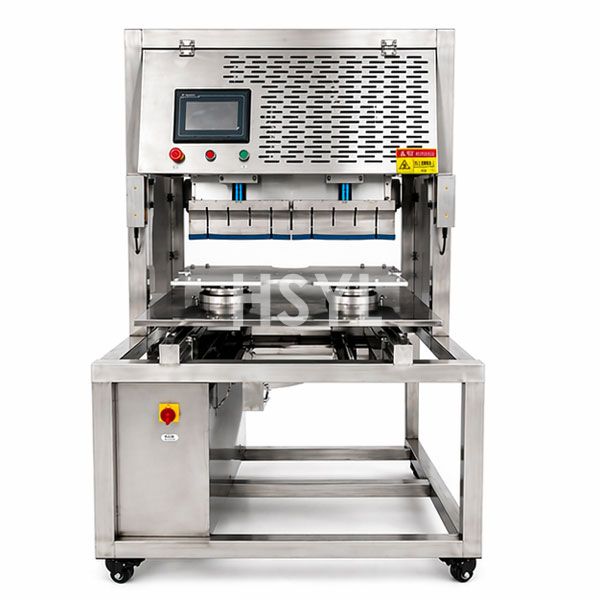


Direct AnswerA low-acid canned vegetable processing line — corn, peas, and green...
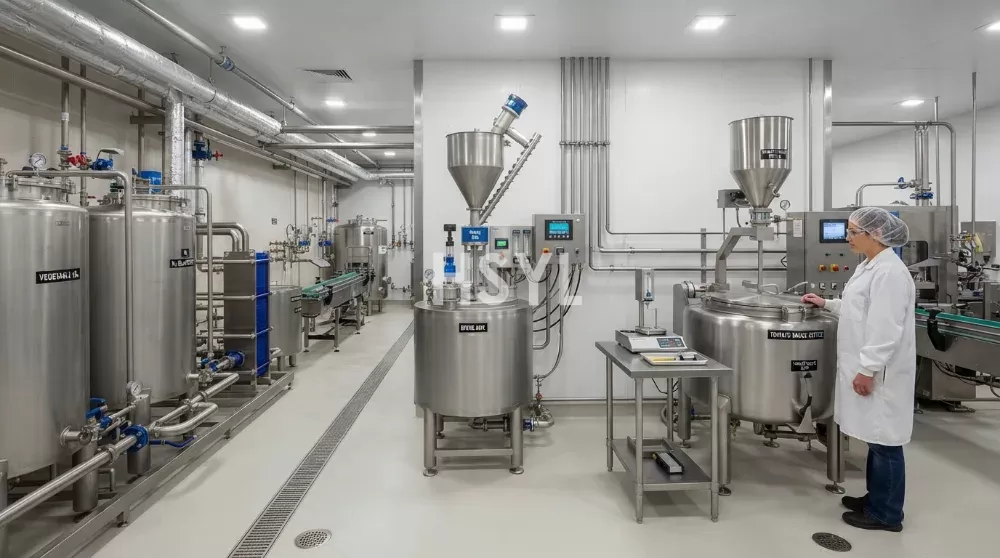
The filling medium — the liquid that fills the void spaces between the fish piec...
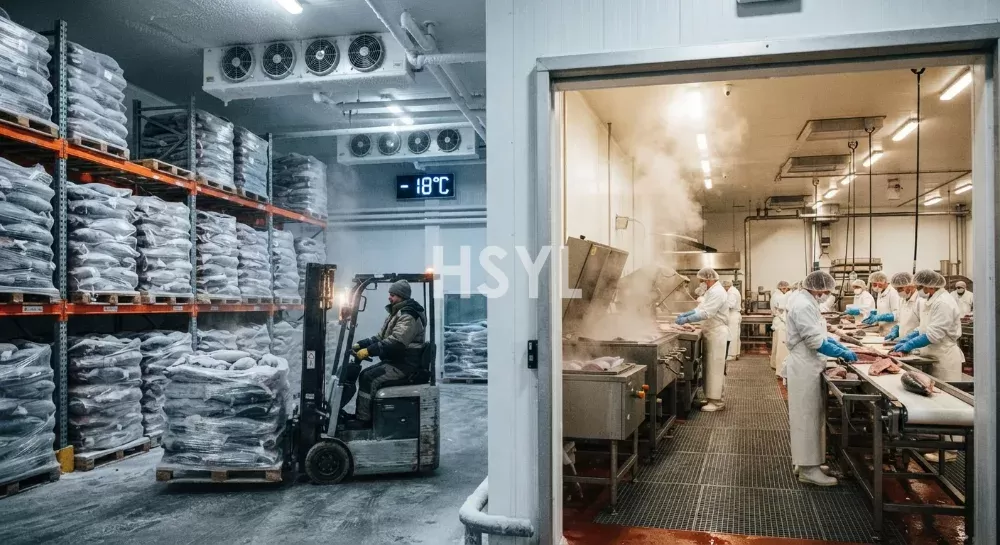
Direct AnswerThe most expensive asset in a fish cannery is not the retort or the...
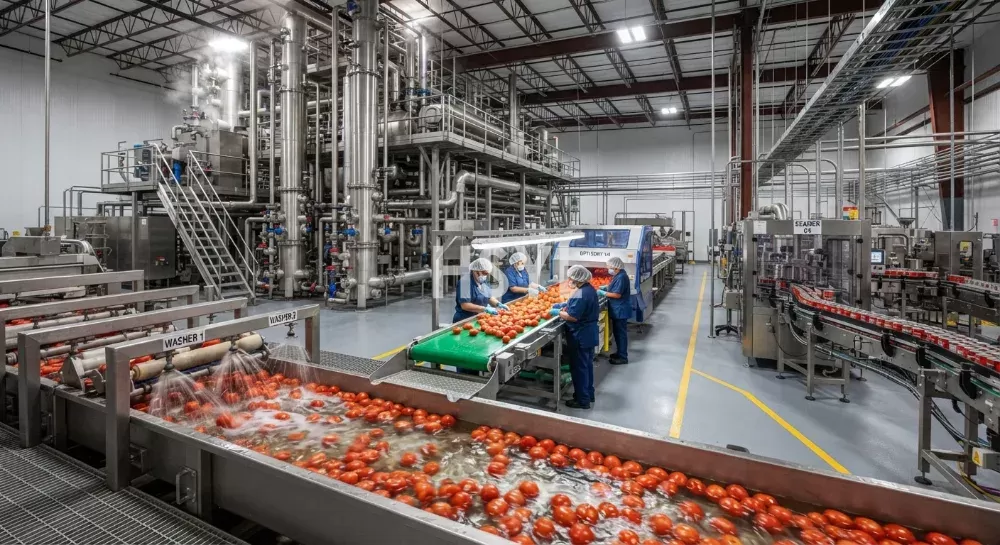
Direct AnswerA tomato products canning line converts fresh tomatoes into four di...