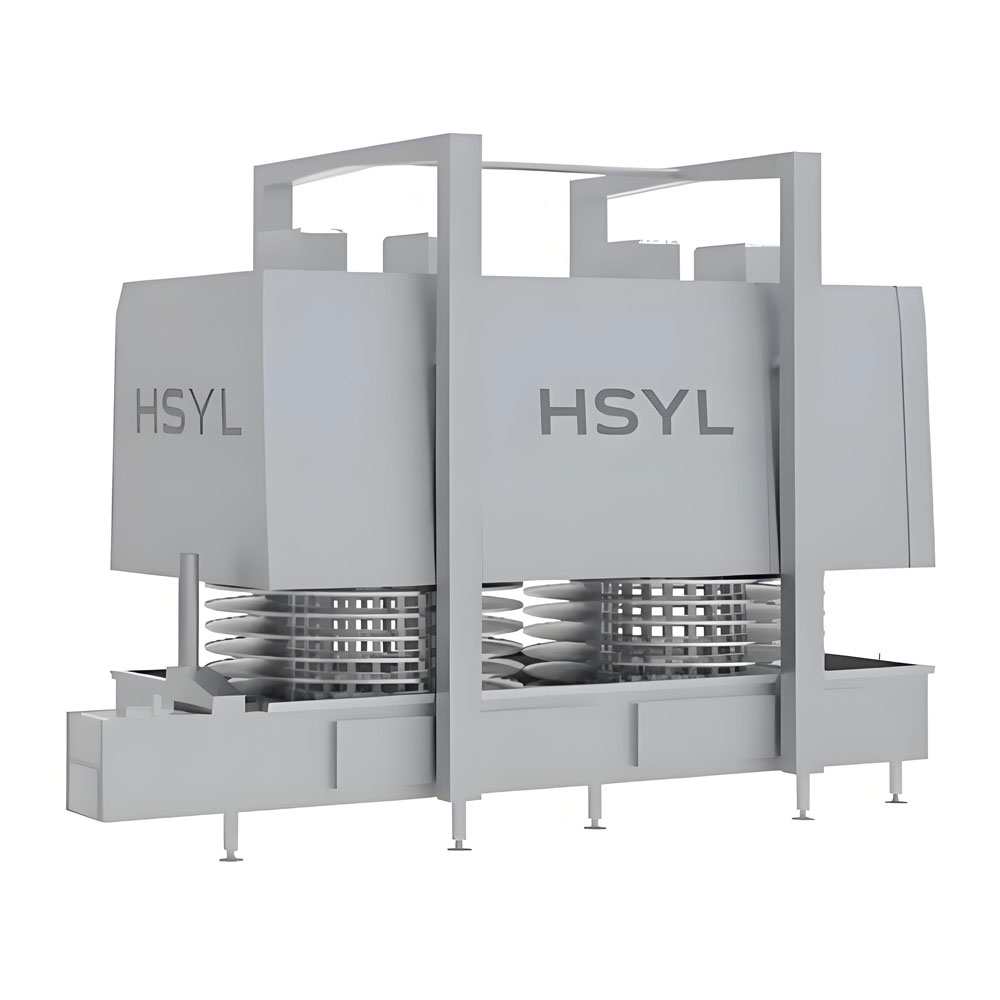
Spiral Oven Utilities: Site Inputs Before Installation
Coordinate spiral oven services from the heating configuration, exhaust and conn...


Factory-direct economic meat slicer with aluminum alloy body, safety self-locking design, and stable cutting performance for butcher shops and food processors.
An economic meat slicer is a compact, cost-controlled slicing machine designed for consistent cutting of fresh or chilled meat products in small to medium-scale food processing environments. This category of equipment is widely used by butcher shops, meat retail chains, central kitchens, catering facilities, and entry-level meat processing plants that require reliable slicing performance without the capital investment associated with heavy industrial lines.
Buyers searching for an economic meat slicer are typically focused on balancing three core concerns: initial equipment cost, operational safety, and slicing consistency. Rising labor costs, increasing food safety oversight, and the need for standardized portioning have made manual slicing impractical in many operations. At the same time, not every facility requires or can justify a fully automated high-capacity slicer. This is where an economic meat slicer becomes a practical and scalable solution.
As a direct factory manufacturer, we design and produce economic meat slicers with a focus on mechanical simplicity, durable materials, and essential safety functions. The equipment is engineered for daily commercial use, offering stable performance, straightforward maintenance, and compliance-ready hygienic design at an accessible cost level.
An economic meat slicer is a mechanically driven slicing machine that uses a rotating circular blade to cut meat into uniform slices at an adjustable thickness. The core working principle relies on controlled blade rotation, consistent feed pressure, and a rigid cutting structure to ensure repeatable results.
The machine body is manufactured from die-casting aluminum alloy, providing a balance between structural rigidity and lightweight construction. The surface is painted with food-grade coating to improve corrosion resistance and ease of cleaning in daily operation. Meat is placed on a sliding carriage, which moves the product across the blade at a controlled speed.
Key subsystems include the blade assembly, thickness adjustment mechanism, carriage and guide system, drive motor, and integrated safety self-locking function. The safety self-locking mechanism prevents unintended operation during blade removal, cleaning, or when protective components are not correctly positioned, reducing the risk of operator injury.
From an operational standpoint, the slicer is designed for intuitive use. Operators can adjust slice thickness through a calibrated control, load the product, and perform slicing with minimal training. The mechanical layout minimizes vibration and blade deviation, which is critical for achieving consistent slice geometry and reducing product waste.
Food processing and meat handling operations face several practical challenges that an economic meat slicer is designed to address.
Manual slicing relies heavily on skilled labor, which is increasingly difficult to recruit and retain. Variations in operator skill often lead to inconsistent slice thickness, affecting portion control and customer perception. In commercial environments, inconsistency can result in yield losses typically ranging from 3 to 8 percent due to uneven cuts and trimming waste.
Hygiene and food safety are also significant concerns. Manual cutting surfaces increase the risk of cross-contamination and make it harder to implement standardized cleaning procedures. An enclosed, smooth-surfaced slicer body with defined cleaning points helps reduce bacterial harborage and supports basic HACCP control requirements.
Operational efficiency is another factor. Manual slicing limits throughput and creates bottlenecks during peak production hours. An economic meat slicer allows a single operator to achieve stable output rates while maintaining consistent quality, reducing dependency on multiple manual workstations.
Finally, scaling is a common issue for growing businesses. Semi-manual operations reach capacity limits quickly, but full industrial automation may be premature. An economic meat slicer provides a transitional solution that supports growth without forcing premature investment.
From an engineering perspective, the economic meat slicer focuses on essential performance features rather than unnecessary complexity.
The machine body is produced using die-casting aluminum alloy, ensuring dimensional stability and long-term structural integrity. Compared to fabricated sheet metal bodies, die-casting offers tighter tolerances and improved resistance to deformation under continuous use. The painted surface treatment adds an additional layer of protection against moisture and cleaning agents commonly used in food environments.
The blade is manufactured from hardened stainless steel suitable for food contact, designed to maintain sharpness over extended operating periods. Blade alignment and balance are carefully controlled during assembly to reduce vibration and noise, contributing to smoother operation and longer component life.
Automation is kept at a practical level. The slicer uses a direct-drive or belt-driven motor configuration optimized for stable torque output. Electrical control systems are straightforward, reducing failure points and simplifying maintenance. This approach improves overall equipment reliability and minimizes downtime.
The integrated safety self-locking function is a critical technical feature. It mechanically or electrically prevents the machine from operating when the blade cover or key components are not correctly secured. This design aligns with commercial safety expectations and reduces the risk of workplace accidents.
Energy consumption is optimized for small to medium operations. The motor sizing and transmission design ensure efficient power use without overloading, supporting continuous operation in retail or processing environments.
Economic meat slicers are widely used in applications where moderate throughput and consistent slicing quality are required.
In butcher shops and meat retail stores, the slicer is used for portioning fresh beef, pork, lamb, and processed meats for direct sale. The adjustable thickness control allows operators to meet different customer preferences without changing equipment.
Central kitchens and catering facilities use economic meat slicers to prepare ingredients for cooking and packaging. Consistent slice thickness improves cooking uniformity and portion control, which is critical in standardized food service operations.
Small meat processing plants and workshops often integrate economic meat slicers into semi-automated lines for slicing chilled products before packaging. In these environments, the slicer operates as a standalone unit or in combination with simple conveyors and manual loading stations.
The machine is also suitable for delicatessen counters, hotel kitchens, and institutional food service operations where hygiene, safety, and repeatability are more important than high-volume automation.
Economic meat slicers are typically designed for low to medium throughput requirements. Depending on blade diameter, motor power, and carriage design, typical capacity ranges can vary from approximately 50 to 300 kilograms per hour under normal operating conditions.
When selecting a suitable model, buyers should evaluate their daily output targets and peak-hour demand. For retail environments with intermittent use, a lower-capacity configuration may be sufficient. For central kitchens or processing workshops with continuous operation, selecting a higher-capacity motor and larger blade diameter can improve efficiency.
Available labor is another important factor. Operations aiming to reduce manual handling may benefit from models with smoother carriage travel and ergonomic design, reducing operator fatigue during extended shifts.
Factory layout and available space should also be considered. Economic meat slicers are generally compact, but clearance for loading, unloading, and cleaning is essential for safe operation. Future expansion plans should be factored in, as selecting a slightly higher capacity model can delay the need for equipment replacement as production grows.
From a return-on-investment perspective, an economic meat slicer delivers value through labor efficiency, yield improvement, and quality consistency.
Replacing manual slicing with a mechanical slicer can reduce direct labor input by one operator per shift in many small operations. Over time, this labor saving alone can offset the initial equipment cost.
Improved slice uniformity reduces overcutting and trimming losses. Even a modest yield improvement of 2 to 5 percent can translate into significant raw material savings in meat processing, where material costs represent a large portion of total operating expenses.
Quality consistency enhances customer satisfaction and supports standardized pricing. In regulated environments, the ability to implement defined cleaning and operating procedures also reduces compliance risk and inspection-related disruptions.
The relatively simple mechanical design ensures long service life with predictable maintenance costs, contributing to stable long-term operating economics.
As a factory OEM manufacturer, we provide customization and engineering support to adapt economic meat slicers to specific operational requirements.
Customization options include blade diameter selection, motor voltage and frequency matching, and safety configuration adjustments to align with regional electrical and regulatory standards. Surface finishes and component materials can be adapted based on cleaning protocols and environmental conditions.
For customers integrating the slicer into existing workflows, our engineering team can support layout planning, interface alignment, and basic line integration. Documentation, wiring diagrams, and operating manuals are supplied to support installation and commissioning.
OEM and ODM cooperation is available for customers requiring private labeling or design adaptation for specific markets.
Economic meat slicers are designed in line with common international food equipment standards. Manufacturing processes follow ISO-based quality management principles to ensure consistency and traceability.
Hygienic design considerations align with HACCP concepts, including smooth contact surfaces, accessible cleaning areas, and materials suitable for food contact. Where required, CE conformity can be provided for applicable markets, covering mechanical safety and electrical compliance.
While economic slicers are not full automation systems, their design supports compliance with FDA-oriented hygienic principles and routine sanitation validation when used in accordance with established operating procedures.
The economic meat slicer is a practical, factory-engineered solution for food businesses seeking reliable slicing performance without unnecessary complexity or investment. Its aluminum alloy construction, essential safety self-locking function, and stable mechanical design make it suitable for a wide range of commercial meat processing environments.
For buyers evaluating equipment based on cost control, operational safety, and long-term usability, an economic meat slicer offers a balanced approach that supports current production needs while allowing for future growth. Technical discussions regarding capacity matching, configuration options, and integration support are welcomed to ensure the equipment aligns with real production requirements.
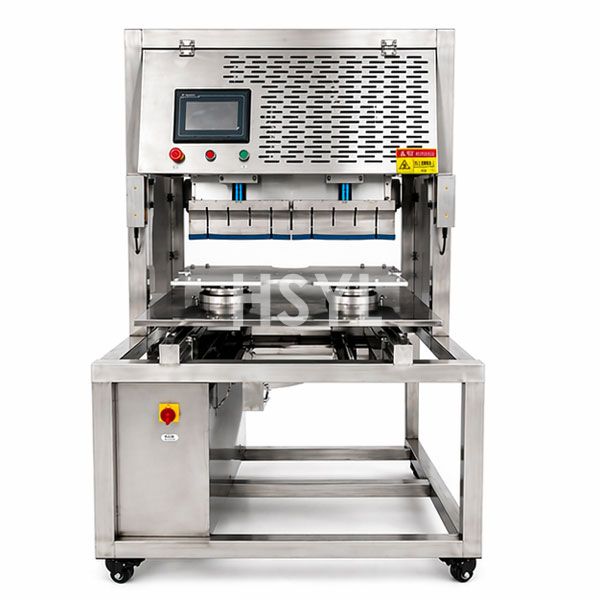


Coordinate spiral oven services from the heating configuration, exhaust and conn...
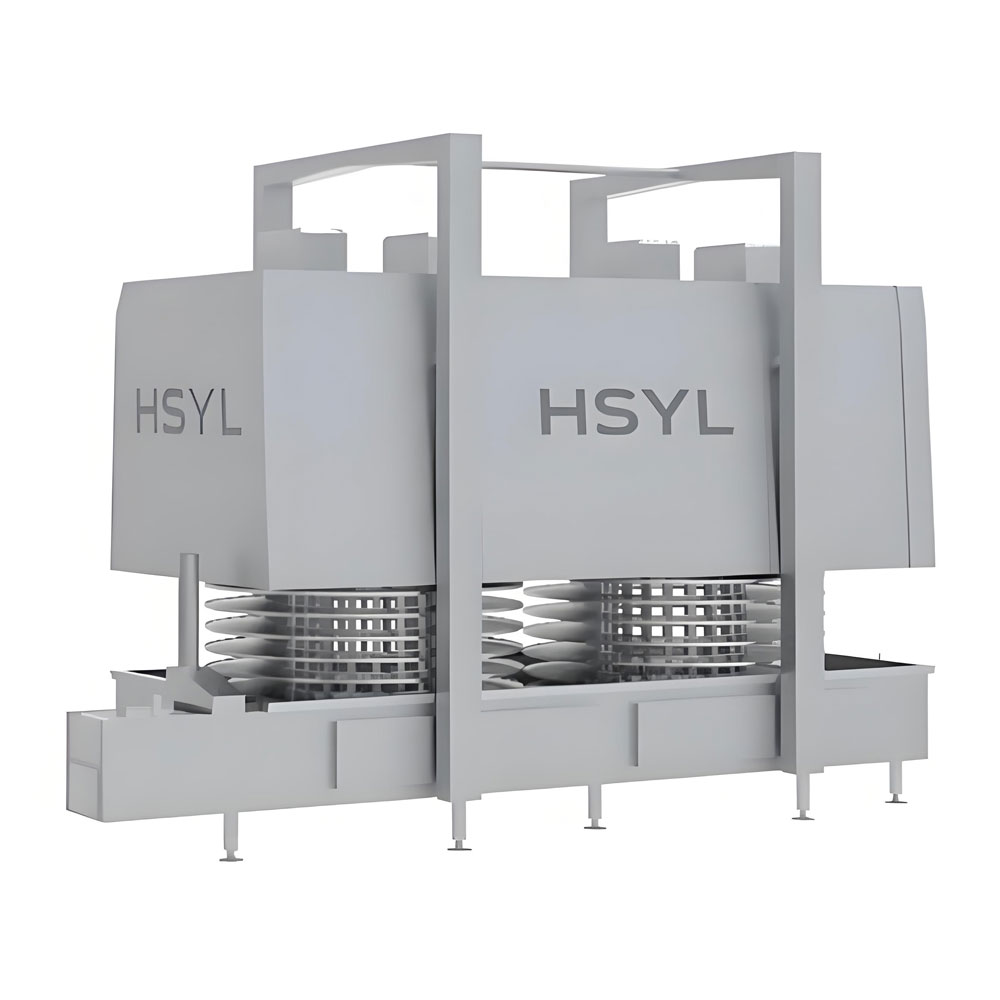
Map spiral oven cleaning across belt surfaces, returns, supports and product rou...
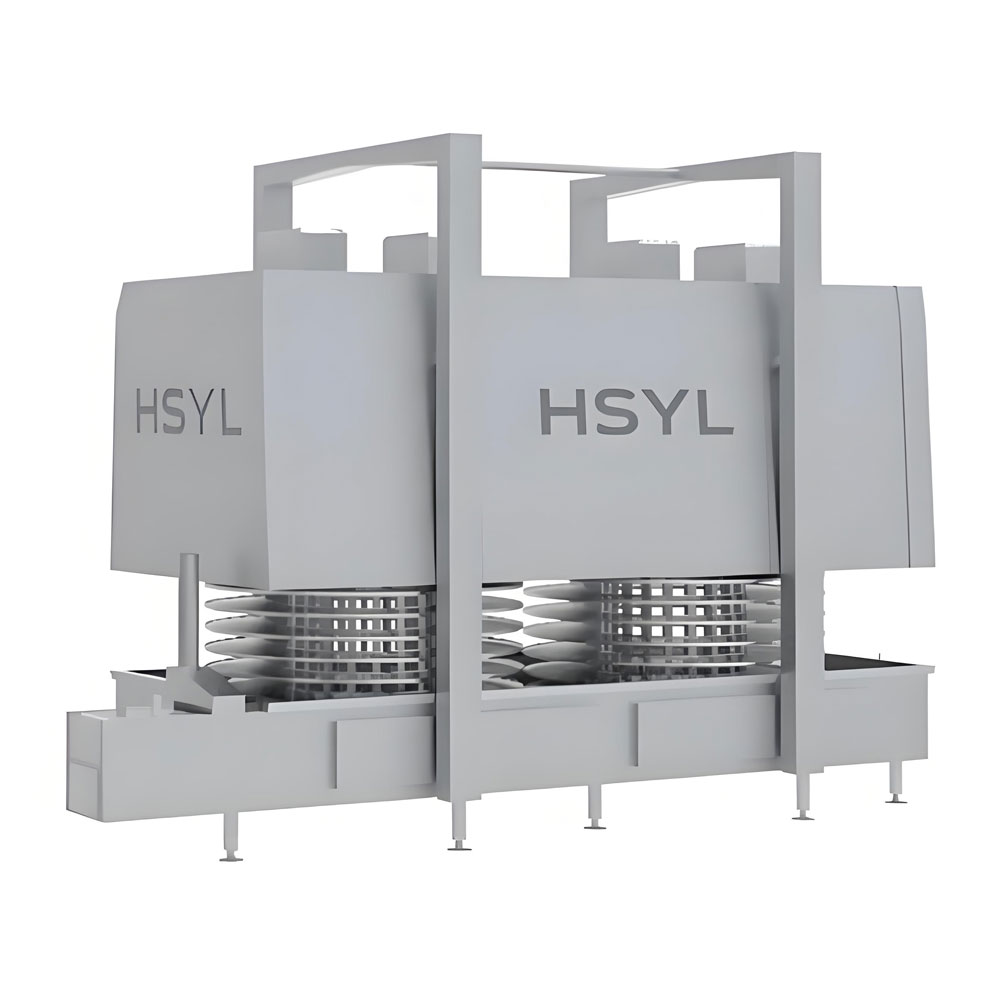
Assess spiral oven capacity through product spacing, belt loading, process condi...
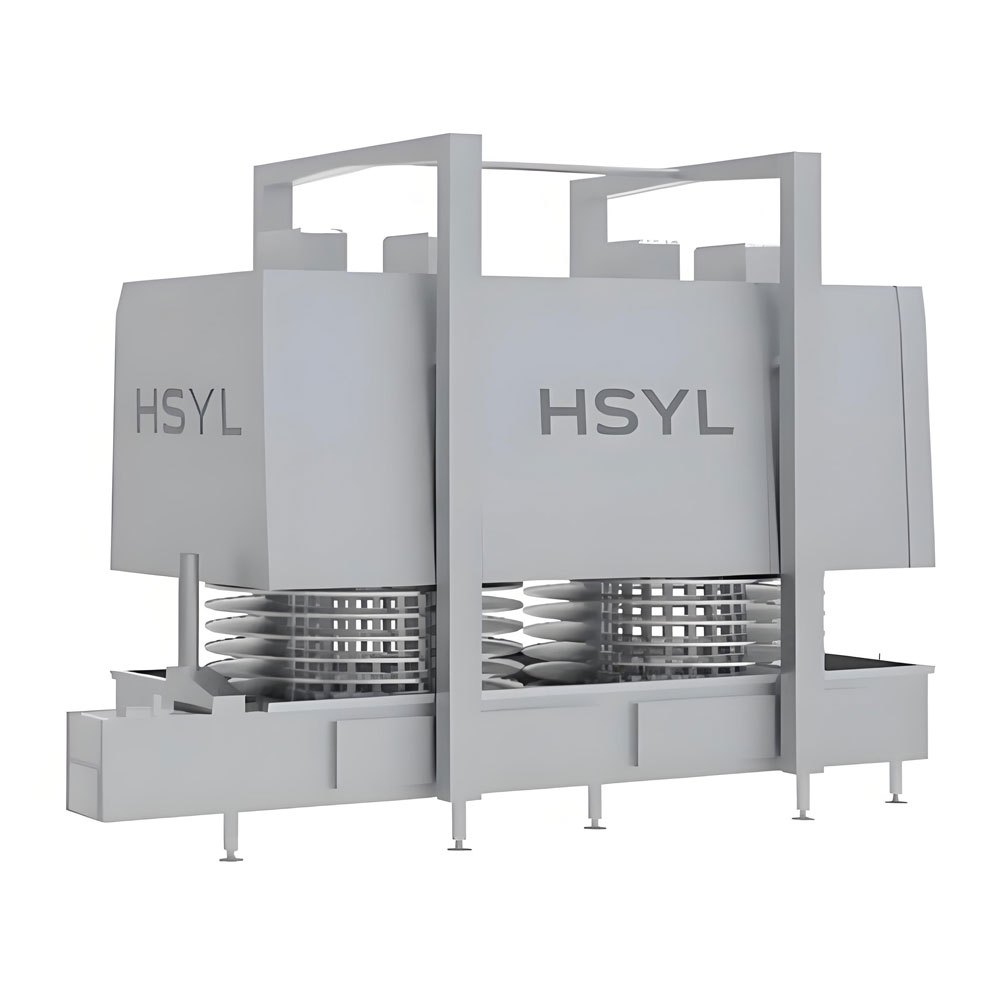
Compare spiral and tunnel oven proposals on the same product, quality target, fa...