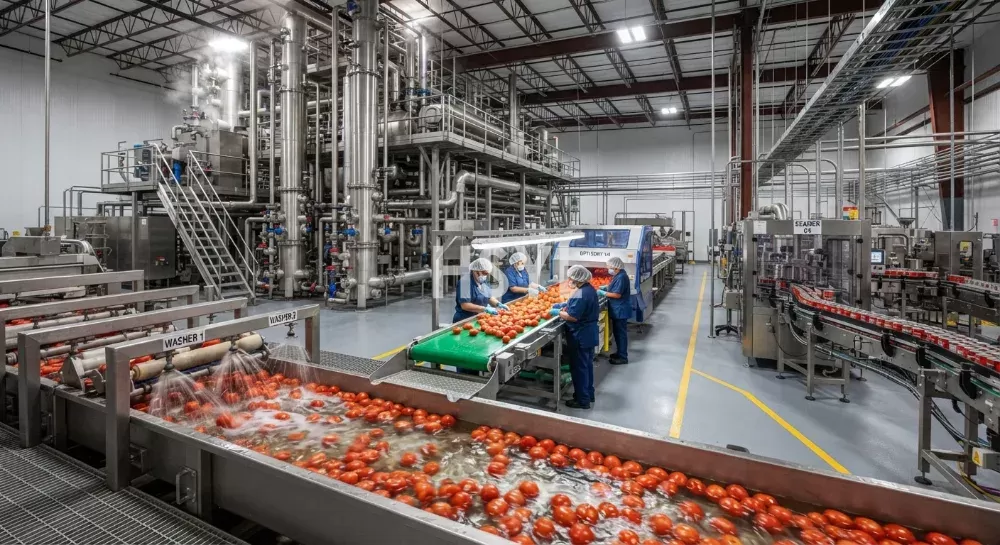
Tomato Products Canning Line: Paste, Whole Peeled, Diced and Sauce Processing
Direct AnswerA tomato products canning line converts fresh tomatoes into four di...


Factory-direct fresh meat slicer with gear transmission, long carriage travel, anodized aluminum-magnesium alloy body. Capacity options and OEM supply.
The Fresh Meat Slicer for non-frozen meat is a dedicated slicing machine engineered for chilled meat processing applications. Unlike frozen meat slicers or manual cutting stations, this equipment is specifically designed to handle fresh meat textures while maintaining slice integrity, hygiene standards, and stable output.
This type of slicer is widely used in fresh meat processing plants, central kitchens, meat distribution centers, butcher operations, and food manufacturing facilities handling chilled beef, pork, poultry, and fresh value-added products. Typical buyers include factory owners, production managers, process engineers, and procurement professionals responsible for balancing labor efficiency, food safety, and production consistency.
Buyers search for a fresh meat slicer when manual slicing becomes a bottleneck due to labor cost increases, inconsistent cut quality, hygiene risks, or limited scalability. From an industrial perspective, this machine offers a practical solution that improves slicing efficiency and yield without the complexity and cost of fully automated slicing lines.
As a direct OEM manufacturer, this equipment is developed based on real production environments, focusing on mechanical reliability, cleanability, and long-term operational stability.
This Fresh Meat Slicer operates through a gear transmission system combined with a long-travel meat carriage, enabling stable and precise slicing of non-frozen, chilled meat products.
The drive system uses direct gear transmission to transfer motor power to the circular slicing blade. Compared with belt-driven systems, gear transmission provides consistent torque, eliminates slippage, and maintains stable blade speed during continuous operation. This is particularly important when slicing fresh meat, where resistance can vary depending on product texture.
Meat is positioned on a long-running carriage that moves smoothly toward the rotating blade. The extended carriage travel distance allows stable handling of larger meat cuts, reduces frequent repositioning, and improves overall slicing consistency.
The core structure is manufactured from aluminum-magnesium alloy casting and finished with a polished and anodized surface. The anodization process forms a hard, non-reactive oxide layer that enhances wear resistance and simplifies cleaning, making it suitable for commercial food processing environments.
Slice thickness is adjusted mechanically through a calibrated control mechanism, ensuring repeatable portioning. Safety-focused designs, including removable blade covers and detachable carriages with protection systems, are integrated to support safe operation and maintenance.
Fresh meat processing facilities face several practical challenges that this Fresh Meat Slicer is designed to solve.
Labor dependency is a primary issue. Manual knife cutting requires skilled operators and involves high physical strain. With rising labor costs and workforce shortages, mechanical slicing significantly reduces reliance on manual labor while increasing throughput per operator.
Yield loss is common in manual fresh meat slicing. Inconsistent thickness and trimming losses often result in 3–7% raw material waste. Controlled mechanical slicing improves portion accuracy and reduces unnecessary overcutting.
Hygiene and food safety risks increase with repeated manual handling and knife use. This machine’s smooth, anodized surfaces and rounded design minimize residue buildup and simplify cleaning, reducing cross-contamination risks.
Inconsistent product quality affects packaging efficiency and downstream processing. Uneven slices can cause weight variation and visual defects. Stable gear-driven blade rotation and controlled carriage movement ensure uniform slicing results.
Scaling limitations occur when semi-manual operations reach capacity. Introducing fresh meat slicers allows production to scale incrementally without major facility redesign.
From an engineering and operational standpoint, this Fresh Meat Slicer offers several key technical advantages.
The machine body is cast from aluminum-magnesium alloy, providing high structural strength with reduced overall weight. The polished and anodized surface improves corrosion resistance and supports frequent sanitation.
Gear transmission ensures smooth, low-noise operation and long service life. Compared with belt drives, gear systems require less adjustment and deliver more stable long-term performance.
The long-distance meat carriage supports stable product positioning and smooth reciprocating motion, reducing operator fatigue and improving slice consistency.
Metal on-off switches are used for durability and reliability in professional processing environments. Aluminum alloy handles and feet provide strong support while resisting corrosion.
Safety is addressed through blade cover and carriage assemblies with secure mounting and disassembly protection, minimizing risk during cleaning and maintenance.
Energy efficiency is supported through optimized motor selection and direct mechanical power transmission.
This Fresh Meat Slicer is suitable for a wide range of chilled meat processing applications.
Fresh meat processing plants use it for slicing chilled beef, pork, and poultry prior to packaging or further processing.
Central kitchens and food preparation facilities apply the slicer for portioning fresh meat used in ready-to-cook and ready-to-eat meals.
Meat distribution centers rely on fresh meat slicers to standardize portions before retail or foodservice delivery.
Butcher shops and specialty meat retailers use this equipment for daily counter operations where appearance, hygiene, and consistency are essential.
The machine operates reliably in chilled rooms and standard hygienic processing areas.
Capacity selection for a Fresh Meat Slicer depends on product characteristics, slice thickness, and operational structure.
Typical capacities range from approximately 150 kg/hour for intermittent use up to 500 kg/hour for continuous professional operation. Actual throughput varies based on meat firmness and operator workflow.
Buyers should select capacity according to daily output targets and shift schedules. Single-shift operations with moderate volumes may choose mid-range models, while multi-shift facilities benefit from higher-capacity configurations.
Labor availability should also be considered. Long carriage travel and stable gear transmission allow operators to maintain consistent output with less physical effort.
Factory layout and available space must support safe operation and efficient material flow.
Future expansion plans should be factored into capacity selection to avoid early equipment replacement.
From a return-on-investment perspective, implementing a Fresh Meat Slicer delivers measurable benefits.
Operational efficiency improves through faster slicing and reduced handling time.
Labor costs are reduced as one operator can replace multiple manual cutting positions.
Yield consistency reduces raw material waste, contributing to long-term cost savings.
Product quality consistency supports accurate packaging and improved customer satisfaction.
Hygienic design enhances compliance readiness and reduces sanitation downtime.
Over the equipment lifecycle, durable construction and stable gear transmission help control maintenance costs and support scalable growth.
As a direct OEM factory, customization and engineering support are core capabilities.
OEM and ODM options are available for structural design, blade selection, and functional configuration.
Stainless steel blades can be supplied as an optional upgrade based on product and hygiene requirements.
Electrical configurations can be matched to regional voltage and frequency standards.
Engineering teams provide layout integration support, commissioning guidance, and operator training to ensure smooth implementation.
This Fresh Meat Slicer is designed and manufactured to meet recognized industrial and food safety standards.
The machine complies with CE requirements for mechanical and electrical safety.
Hygienic design principles align with HACCP-based food safety systems.
Material selection and production processes support ISO-oriented quality management systems.
Design concepts follow FDA-oriented hygienic equipment guidelines, focusing on cleanability and contamination control.
This Fresh Meat Slicer for non-frozen meat is engineered to meet the practical demands of chilled meat processing environments, combining gear-driven stability, long carriage travel, and hygienic aluminum-magnesium alloy construction. It provides a reliable and scalable slicing solution for facilities seeking consistent quality and improved labor efficiency.
Backed by direct OEM manufacturing experience, this equipment supports realistic production conditions and long-term operational planning. Technical consultation, capacity matching, and configuration support can be provided at the factory level to ensure the Fresh Meat Slicer aligns with actual processing requirements and future growth objectives.
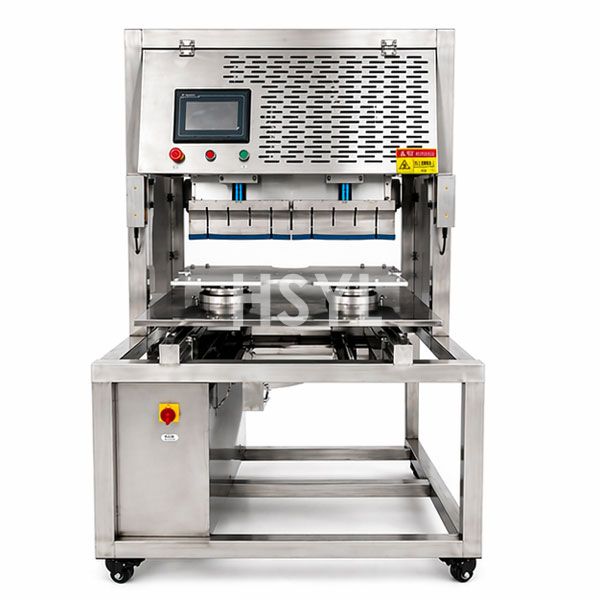


Direct AnswerA tomato products canning line converts fresh tomatoes into four di...
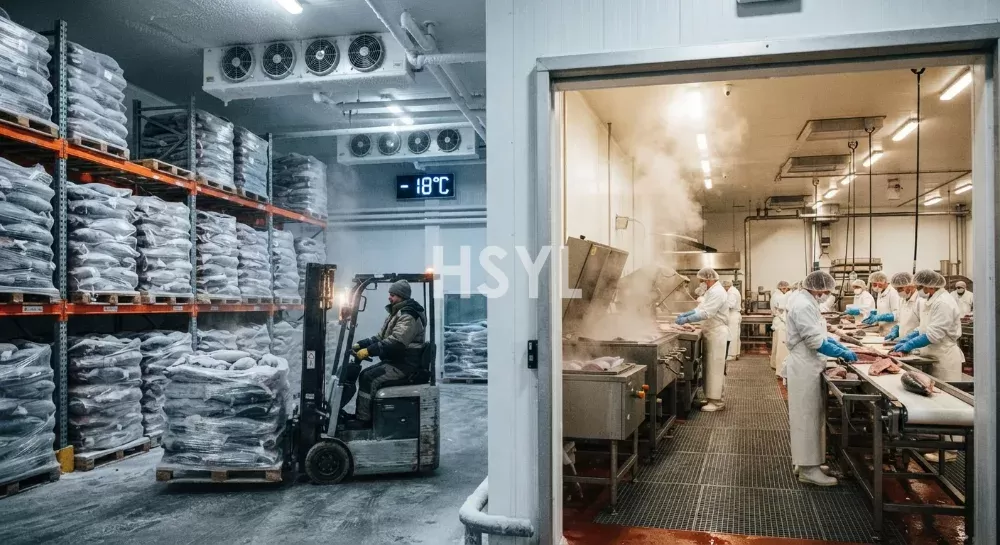
Direct AnswerThe most expensive asset in a fish cannery is not the retort or the...
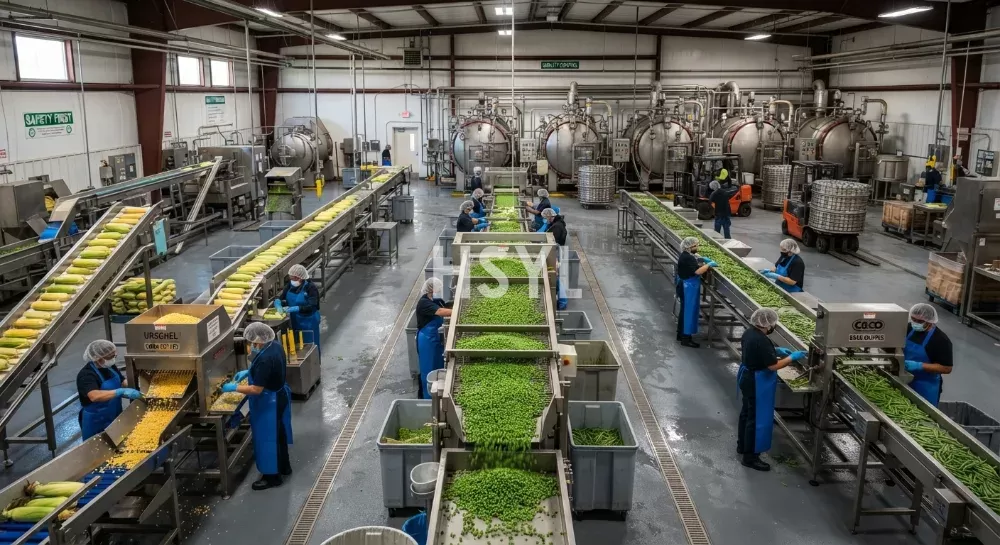
Direct AnswerA low-acid canned vegetable processing line — corn, peas, and green...
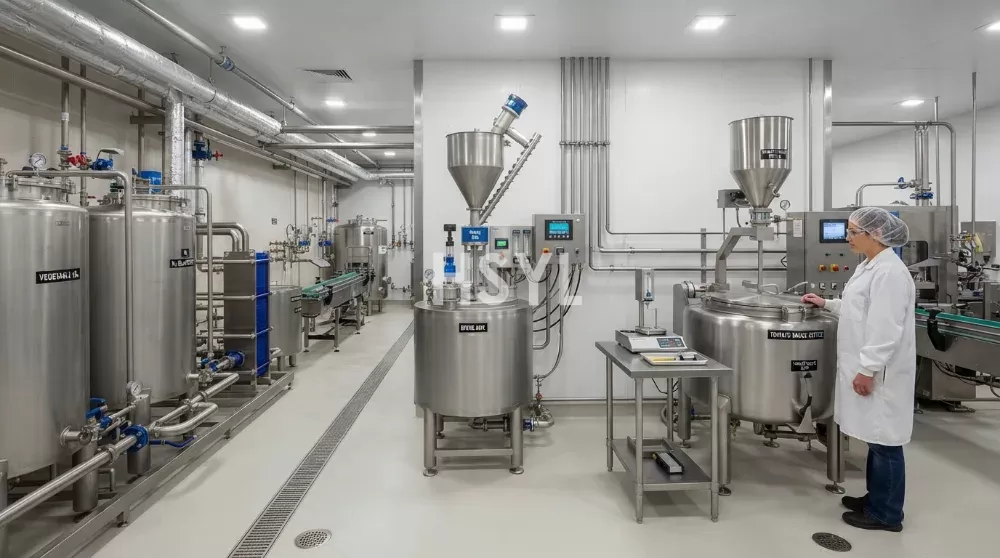
The filling medium — the liquid that fills the void spaces between the fish piec...