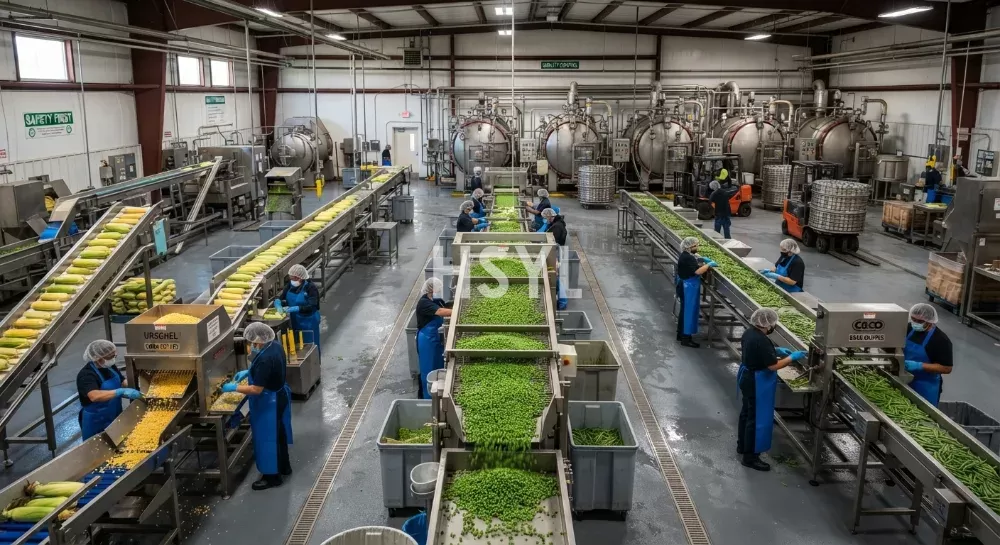
Low-Acid Canned Vegetables: Corn, Peas and Green Beans Processing Line
Direct AnswerA low-acid canned vegetable processing line — corn, peas, and green...


HM Series Meat Grinder manufacturer offering factory-direct supply with hygienic design, spare bottom blade, waterproof controls, and emergency-stop safety.
The HM Series Meat Grinder is an industrial-grade meat processing machine designed and manufactured for continuous, hygienic, and consistent grinding operations in professional food production environments. This series is engineered for meat processors, central kitchens, commissaries, butcher plants, ready-meal factories, and further-processing lines that require reliable throughput, strict hygiene control, and stable product quality.
Buyers searching for the HM series meat grinder are typically comparing equipment that impacts freshness, yield, labor efficiency, and food safety. In real factory operations, grinding is not just a mechanical step; it directly affects downstream forming, mixing, stuffing, cooking, and packaging processes. Poor grinding performance can result in temperature rise, oxidation, inconsistent particle size, and quality complaints. The HM Series is developed from a manufacturing and engineering perspective to address these practical production concerns rather than theoretical specifications.
As a direct OEM manufacturer, this equipment is positioned for processors who prioritize durability, process stability, hygienic compliance, and long-term operating cost control over short-term procurement pricing.
The HM Series Meat Grinder is a heavy-duty mechanical grinding system that reduces fresh or semi-frozen meat into uniform particle sizes using a controlled cutting and extrusion process. The system integrates a reinforced feed screw, precision-cut blades, grinding plates, and a drive system optimized for torque stability and temperature control.
Raw meat is fed through the top inlet into the grinding chamber. A hardened stainless steel auger transports the meat forward with controlled compression. The cutting process is executed by a rotating knife assembly paired with fixed grinding plates. A spare blade is positioned at the bottom of the machine, ensuring consistent cutting pressure and minimizing dead zones where meat residue could accumulate. This bottom blade configuration improves cutting efficiency and contributes to fresher meat output by reducing overworking and heat buildup.
The grinder is equipped with waterproof control switches and an emergency-stop system, allowing safe operation in wet processing environments. The motor and transmission are engineered to maintain steady RPM under variable load conditions, which is critical for maintaining particle consistency and preventing protein smearing.
The result is freshly ground meat with controlled temperature rise, stable texture, and minimal oxidation, suitable for immediate downstream processing or packaging.
Industrial meat processors face recurring operational challenges that directly affect cost structure and product quality. The HM Series Meat Grinder is designed to address these issues at the equipment level.
Labor dependency is a major concern as skilled operators become harder to retain and labor costs continue to rise. Manual or semi-manual grinders require constant supervision and adjustment, while the HM Series operates with predictable performance and reduced operator intervention.
Yield loss and raw material waste often occur due to inconsistent cutting, excessive heat generation, and residue retention inside conventional grinders. In many plants, yield losses of 1–3% are common during grinding operations. The optimized blade geometry and bottom blade configuration in the HM Series reduce smear and residue, helping processors recover more usable product per batch.
Hygiene and cross-contamination risks are critical in meat processing. Poorly designed grinders create hidden crevices that trap protein residue and moisture. The HM Series incorporates smooth internal surfaces, controlled disassembly, and food-grade materials to reduce microbial risk and support effective cleaning.
Inconsistent product quality is another common issue. Variations in particle size negatively impact mixing, binding, cooking yield, and final texture. The HM Series delivers stable grind profiles across long production runs, supporting uniform downstream processing.
Scaling limitations also affect growing processors. Entry-level grinders often become bottlenecks as volumes increase. The HM Series is designed with scalable capacity options and line integration compatibility to support production growth without repeated equipment replacement.
From an engineering standpoint, the HM Series Meat Grinder integrates structural robustness with hygienic functionality.
The machine frame, grinding chamber, auger, blades, and plates are manufactured from SUS304 stainless steel as standard, with SUS316 available for processors handling high-salt or corrosive formulations. Welds are ground smooth to eliminate dirt traps and facilitate sanitation.
The spare blade at the bottom of the machine ensures complete cutting coverage and stable meat flow. This design reduces backpressure fluctuations and prevents uneven loading on the primary cutting set, extending blade life and improving grind consistency.
Waterproof control switches are rated for washdown environments, allowing operators to clean processing areas without compromising electrical safety. The emergency-stop switch is mechanically linked to the drive system, enabling immediate shutdown in abnormal situations and supporting compliance with industrial safety standards.
The drive system is designed for continuous-duty operation with thermal protection and overload monitoring. Gearboxes are selected for torque stability rather than peak speed, supporting controlled grinding that preserves meat freshness.
Maintenance is simplified through tool-assisted disassembly of the grinding head. Wear parts such as blades and plates are standardized, reducing spare part inventory complexity and downtime.
Energy efficiency is achieved through optimized motor sizing and mechanical transmission efficiency, reducing unnecessary power draw during partial loads.
The HM Series Meat Grinder is deployed across a wide range of industrial meat processing scenarios.
In fresh meat processing plants, it is used for primary grinding prior to mixing or forming operations. Central kitchens and commissaries rely on the HM Series for daily batch production of ground meat used in ready meals, sauces, and fillings.
Sausage and processed meat factories integrate the grinder upstream of mixers, emulsifiers, or stuffers, where consistent particle size directly impacts binding and stuffing performance.
Frozen meat processing facilities utilize the HM Series for tempered meat blocks, where stable torque and blade geometry prevent excessive temperature rise and mechanical stress.
Pet food manufacturers also use the HM Series for protein preparation stages where hygiene, particle uniformity, and reliability are essential for downstream extrusion or forming.
The machine is suitable for standalone operation or integration into automated processing lines with conveyors and feeding systems.
The HM Series Meat Grinder is available in multiple capacity configurations to match different production scales.
Typical throughput ranges from 300 kg/hour for small processing rooms up to 3,000 kg/hour for industrial lines, depending on meat type, temperature, and grind size. Motor power and grinding head dimensions are selected accordingly.
When selecting capacity, buyers should consider daily output targets and production schedules rather than peak hourly demand alone. Continuous operation at moderate load levels generally delivers better product quality and equipment longevity.
Available labor is another key factor. Higher-capacity models reduce batch cycles and operator handling, improving overall efficiency.
Factory layout and material flow should be evaluated to ensure smooth feeding and discharge. Adequate space for cleaning and maintenance access is essential.
Future expansion plans should also influence selection. Choosing a slightly higher-capacity model or a grinder compatible with automated feeding systems can reduce future capital expenditure.
From a financial and operational perspective, the HM Series Meat Grinder delivers value through multiple channels.
Operational efficiency improves through stable throughput and reduced rework caused by inconsistent grinding. Lower labor dependency translates into predictable staffing requirements and reduced overtime.
Cost reduction is realized over time through improved yield recovery, reduced waste, and extended wear part life. Even a 1% improvement in yield can significantly impact annual raw material costs in medium to large processing plants.
Quality consistency enhances brand reliability and reduces customer complaints. Uniform grind structure supports better binding, cooking yield, and sensory attributes.
Compliance readiness is strengthened through hygienic design and safety features, reducing audit findings and corrective action costs.
Long-term scalability ensures that the grinder remains a productive asset as production volumes increase, improving return on investment over the equipment lifecycle.
As a direct factory manufacturer, the HM Series Meat Grinder can be customized to meet specific process and regional requirements.
OEM and ODM options include customized grinding head sizes, blade configurations, and plate patterns to match specific product textures.
Electrical systems can be configured to match local voltage, frequency, and safety standards. Control interfaces can be adapted for integration with upstream or downstream equipment.
Process adaptation support includes material flow optimization, feeding system design, and integration into complete meat processing lines.
Engineering collaboration extends from pre-sale process evaluation to installation guidance and commissioning support, ensuring that the equipment performs as intended in real production conditions.
The HM Series Meat Grinder is designed in accordance with international food processing and machinery standards.
CE compliance is available for applicable markets, covering mechanical safety and electrical conformity.
HACCP-oriented design principles are applied, focusing on cleanability, material traceability, and contamination risk reduction.
ISO-based quality management systems govern manufacturing and inspection processes to ensure consistency and repeatability.
FDA-oriented hygienic design concepts are incorporated through material selection, surface finish control, and sanitation accessibility.
The equipment supports validation, cleaning documentation, and traceability practices commonly required by export-oriented processors.
The HM Series Meat Grinder represents a practical, factory-engineered solution for industrial meat processors seeking reliable grinding performance, improved freshness, and hygienic compliance. Its robust construction, bottom blade design, waterproof controls, and safety features are developed from real production experience rather than theoretical design assumptions.
For processors evaluating capacity upgrades, line integration, or replacement of aging grinding equipment, the HM series meat grinder offers a balanced combination of performance stability, operational efficiency, and long-term value. Technical discussions focused on capacity matching, process requirements, and integration planning are encouraged to ensure optimal equipment selection and implementation.
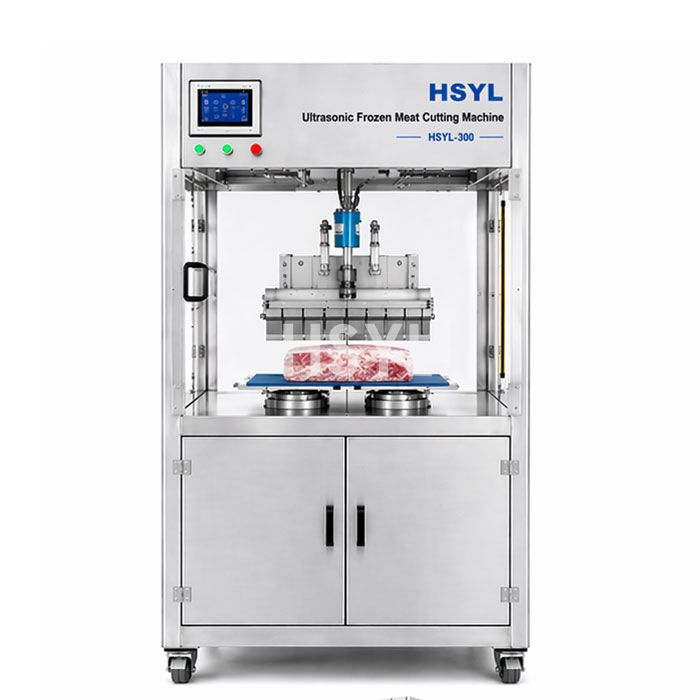
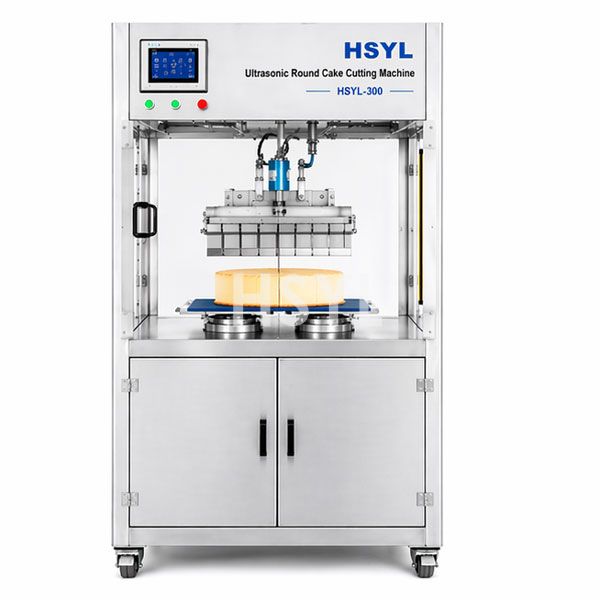
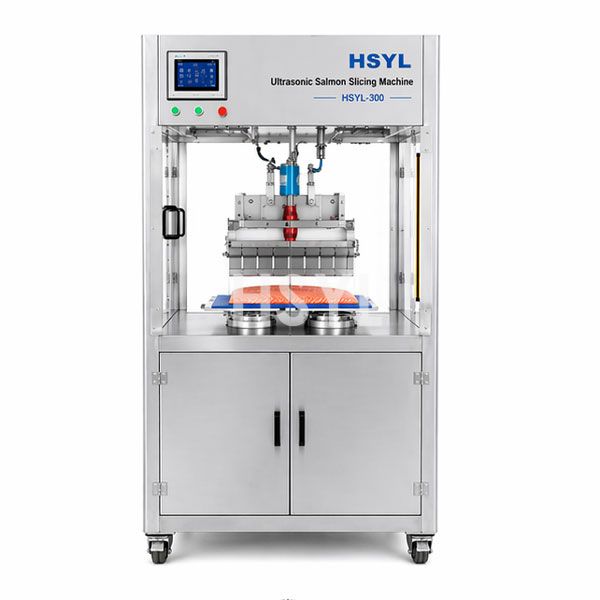
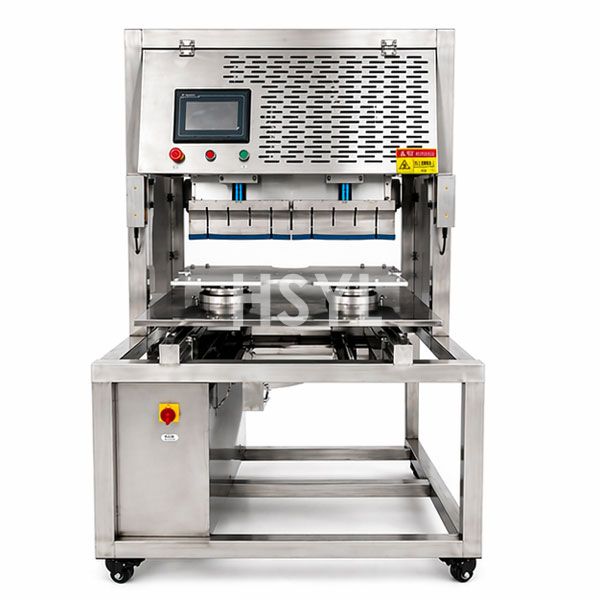


Direct AnswerA low-acid canned vegetable processing line — corn, peas, and green...
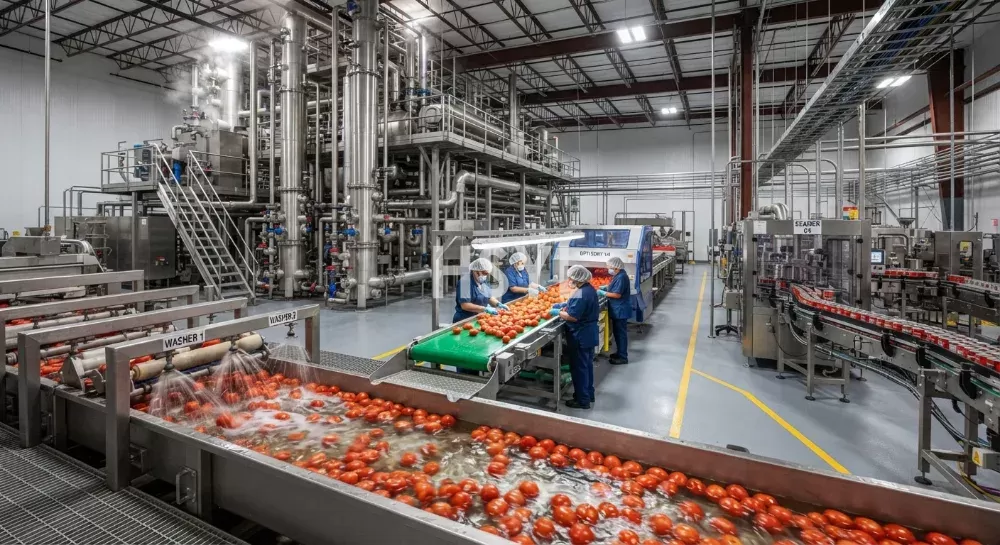
Direct AnswerA tomato products canning line converts fresh tomatoes into four di...
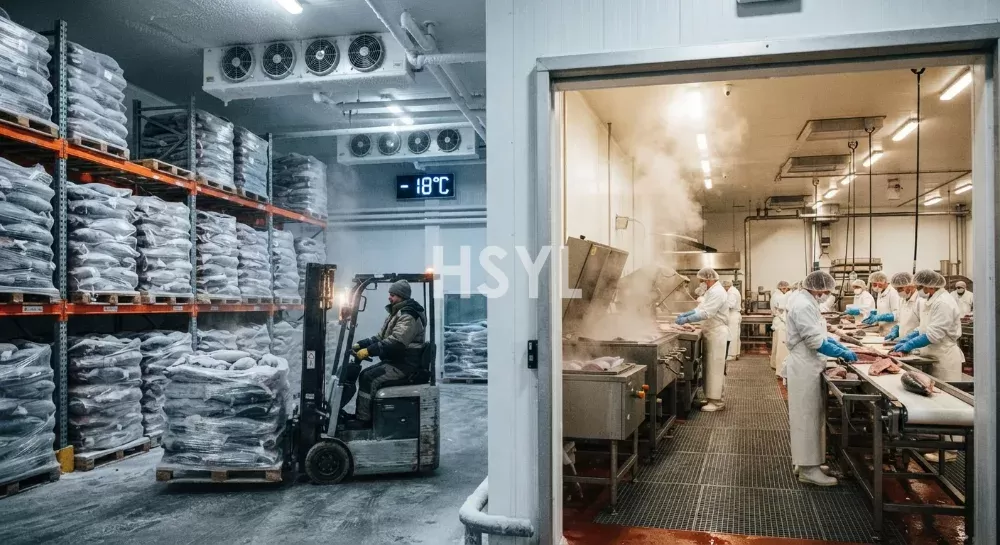
Direct AnswerThe most expensive asset in a fish cannery is not the retort or the...
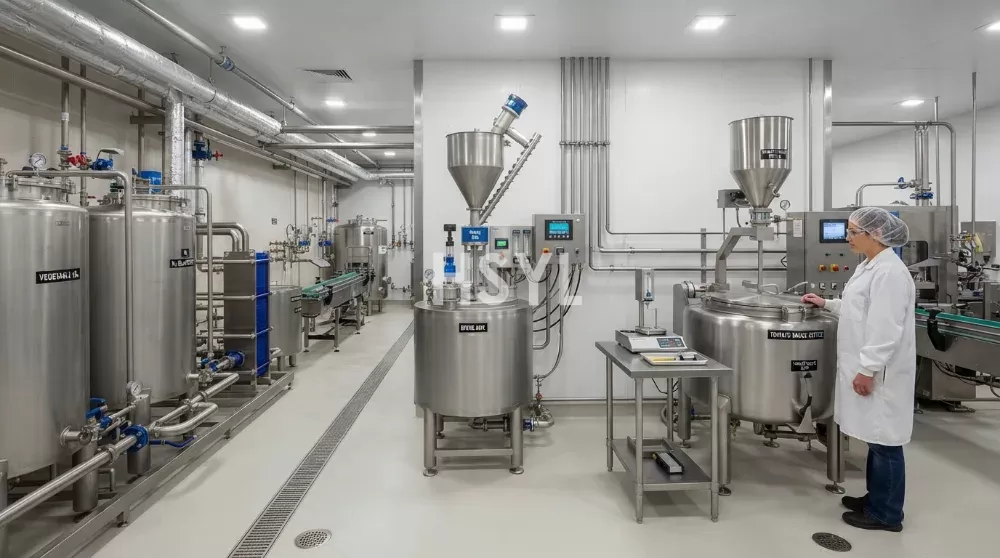
The filling medium — the liquid that fills the void spaces between the fish piec...