Canned Fish Filling Media: Oil, Brine, Tomato Sauce and Flavored Sauce Systems
The filling medium — the liquid that fills the void spaces between the fish piec...


Explore ultrasonic cheesecake cutting for creamy fillings and crumb bases. Discuss cake format, cutting temperature, portion size and output with HSYL.
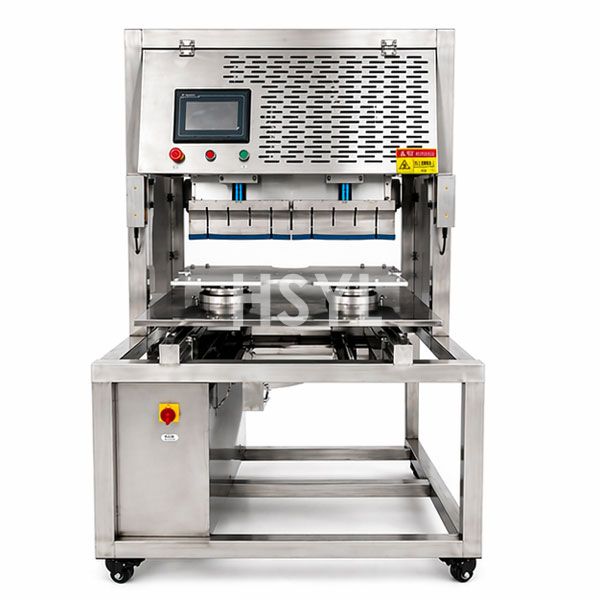
An ultrasonic cheesecake cutting machine is designed for portioning cheesecakes with creamy fillings, crumb bases and layered toppings. Discuss your product format, temperature at cutting and required portion size with HSYL to assess the cutting arrangement, sample requirements and production capacity.
A cheesecake slice needs to hold together from the topping to the base. During portioning, sticky filling can drag across the cut face while a firm biscuit base may crack or separate from the layer above it. These surfaces should be evaluated together when selecting a cutting machine.
Ultrasonic cutting uses a vibrating blade to help reduce product adhesion and deformation during separation. The practical result still depends on the cheesecake recipe, product condition, blade setup and support beneath the cake.
For a useful comparison, test the cheesecake you actually sell. Include its normal crust, glaze, fruit pieces and other inclusions, and assess the finished portions after removal from the cutting area.
| Model | Machine Format | Capacity | Capacity | Installed Power | Voltage | Cut Accuracy | Max Product Size | Dimensions | Material | Weight |
|---|---|---|---|---|---|---|---|---|---|---|
| UCC-120 | Single-station batch index | 120-160 cakes/h | 140-200 kg/h | 3.8 kW | 380V / 50Hz / 3Ph, customizable | ±1.0 mm | Round cakes up to 300 mm dia. or slabs up to 400 x 600 x 80 mm | 1850 x 1200 x 1780 mm | SUS304 frame, titanium blade, optional SUS316L contact parts | 620 kg |
| UCC-240 | Dual-station servo index | 220-280 cakes/h | 260-350 kg/h | 5.6 kW | 380V / 50Hz / 3Ph, customizable | ±1.0 mm | Round cakes up to 320 mm dia. or slabs up to 600 x 600 x 90 mm | 2450 x 1450 x 1850 mm | SUS304 frame, titanium blade, optional SUS316L contact parts | 880 kg |
| UCC-360 | Inline servo shuttle | 320-360 cakes/h | 380-520 kg/h | 8.2 kW | 380V / 50Hz / 3Ph, customizable | ±0.8 mm | Round cakes up to 330 mm dia. or slabs up to 600 x 800 x 100 mm | 3200 x 1650 x 1900 mm | SUS304 frame, titanium blade, optional SUS316L contact parts | 1180 kg |
Actual output depends on cake weight, number of portions, topping viscosity, crust hardness, and whether products are indexed individually or by multi-lane shuttle.
A successful trial should show how each part of the cheesecake behaves during cutting and transfer.
| Product area | What to inspect |
|---|---|
| Cream cheese filling | Drag marks, sticking, compressed edges and material carried into the next cut |
| Biscuit or cookie base | Cracking, loose crumbs, incomplete separation and detachment from the filling |
| Glaze or fruit topping | Smearing, displaced fruit and marks left as the blade enters or withdraws |
| Finished portion | Shape retention, clean separation and appearance after placement in its pack |
Agree on acceptable results using your normal retail or foodservice presentation. A close-up of one cut face is useful, but it does not show whether the base remains intact when the slice is lifted.
Chilled and partially frozen cheesecakes should be evaluated as separate product conditions. A setting that works for one recipe or temperature may not produce the same result on another.
Record the product temperature and the time between leaving temperature-controlled storage and entering the cutter. If cakes wait before cutting, include that waiting period in the trial.
Use the results to define a practical operating window for your product. Avoid selecting a machine solely because its advertised temperature range appears to cover your process.
For round cheesecakes, provide the diameter, height and required slice count. For rectangular products, provide the slab dimensions, portion length and width, and whether edge trimming is required. Confirm which formats the quoted configuration supports and what is involved in changing between them.
Cake boards, trays and release sheets also affect the cutting arrangement. Include their dimensions and materials in the application review so that loading clearance, blade travel and portion removal can be assessed together.
Repeatable cut positions do not guarantee identical portion weights. If your product is sold to a weight specification, include individual portion weights in the acceptance checks.
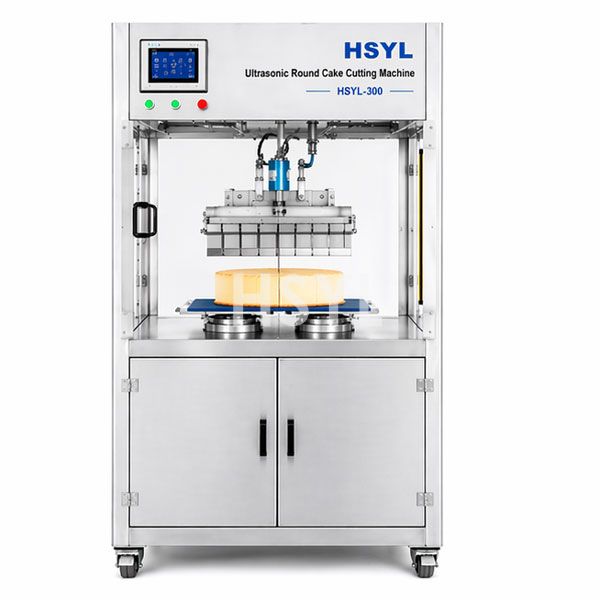
For a closer look at circular positioning and wedge division, see the ultrasonic round cake cutting machine.
Check how portions leave the cutting area and reach their trays, inserts or wrappers. Include any manual lifting, separation or transfer in the trial, since damage can occur after the blade has completed its cut.
Evaluate several consecutive cakes to see whether filling or crumbs accumulate and affect later portions. Confirm access for cleaning, the approved cleaning method and the steps required before production resumes.
For a bakery handling multiple recipes, include the change between representative products in the demonstration. Record the time needed for setting adjustments, cleaning and the first acceptable portions after restart.
Define capacity in terms of acceptable finished portions or completed cakes per hour. State the cake dimensions, portion count and product condition alongside that figure.
The assessment should include loading, positioning, cutting, unloading and routine interruptions. When comparing quotations, use the same product and operating assumptions so that the output figures describe comparable work.
Use the inquiry form below to share:
Cake dimensions and required portion format.
Filling, base and topping details, with product photos.
Product temperature and handling time before cutting.
Target output and typical production batch size.
Boards, trays and packing arrangements.
Available floor space and electrical supply.
Include photos of any cutting defects you currently experience. Ask for the quotation to identify the proposed configuration, sample evaluation scope, cleaning provisions and installation requirements.


The filling medium — the liquid that fills the void spaces between the fish piec...
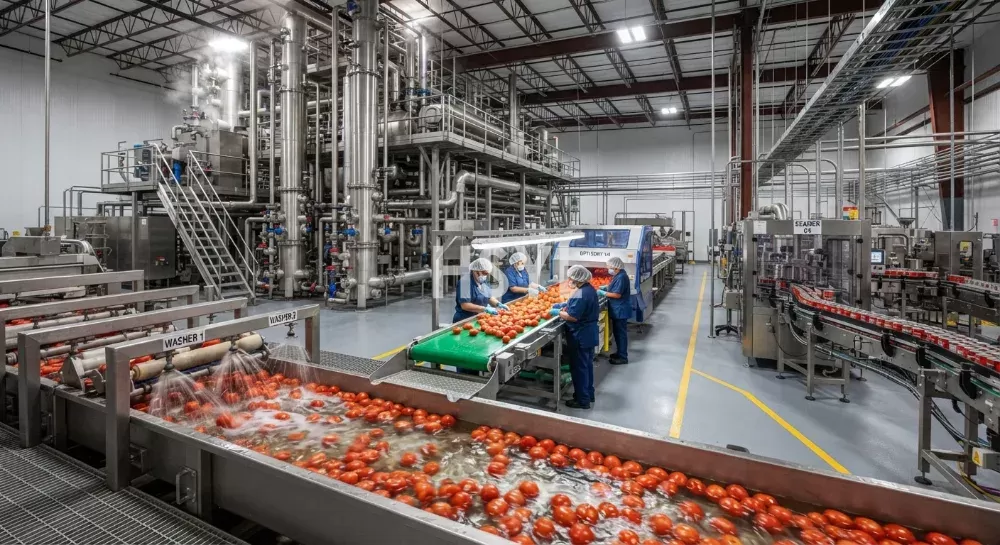
Direct AnswerA tomato products canning line converts fresh tomatoes into four di...
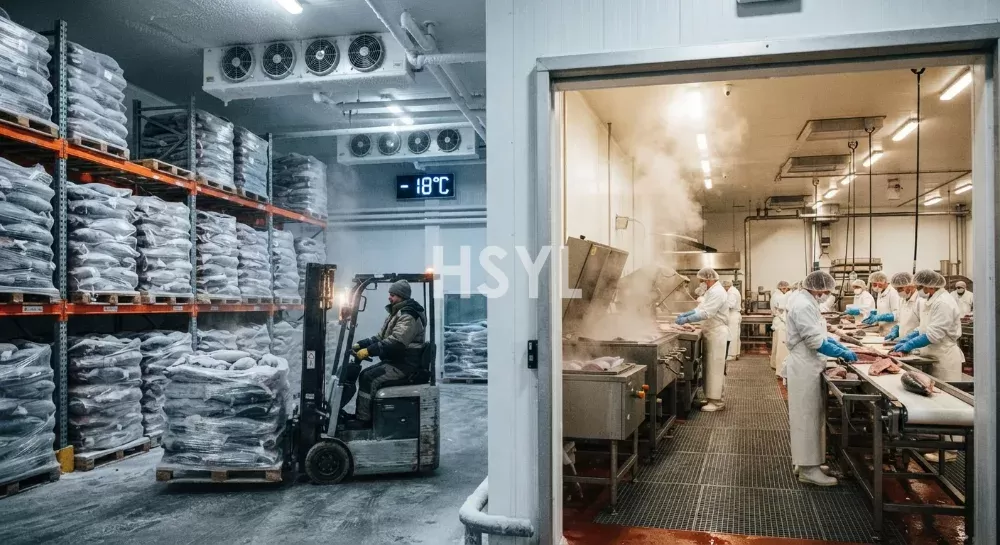
Direct AnswerThe most expensive asset in a fish cannery is not the retort or the...
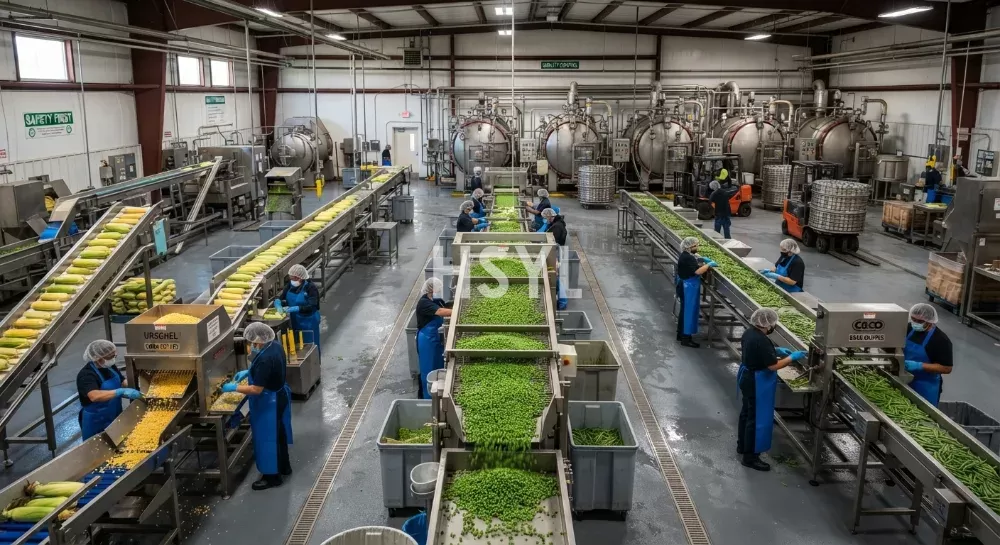
Direct AnswerA low-acid canned vegetable processing line — corn, peas, and green...