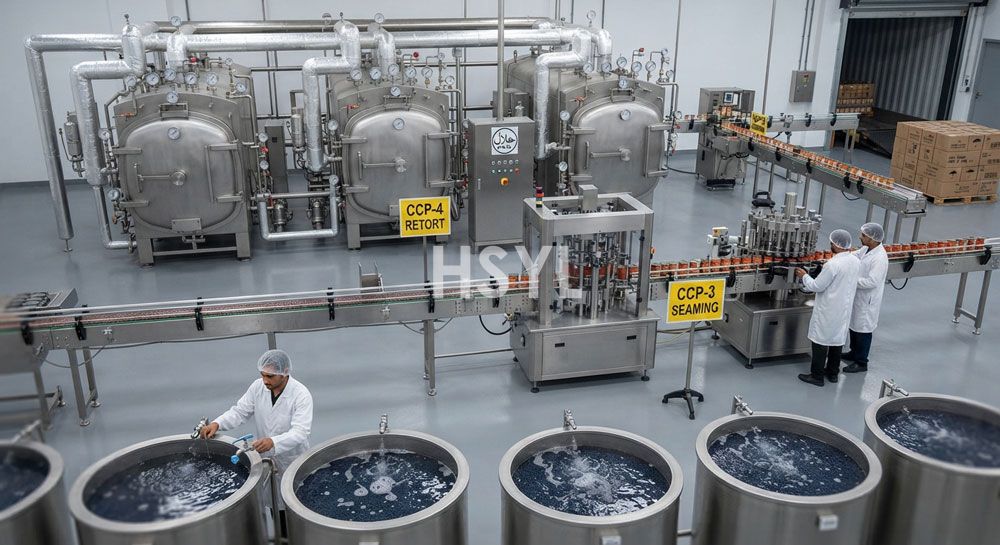
How to Build a Canned Beans Production Line for Export Markets
Direct AnswerBuilding a canned beans production line for export markets is a pro...
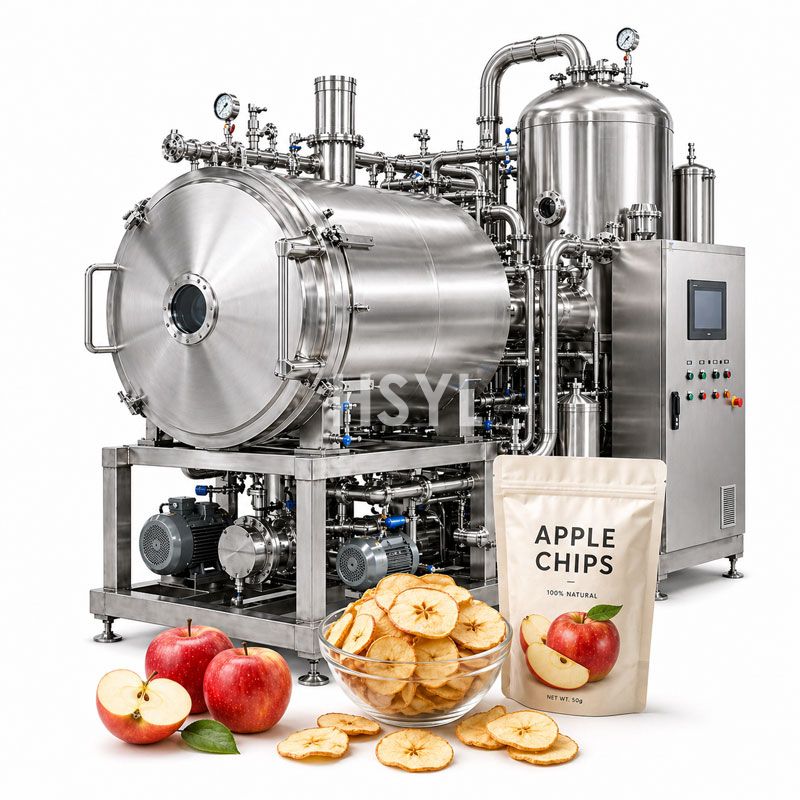
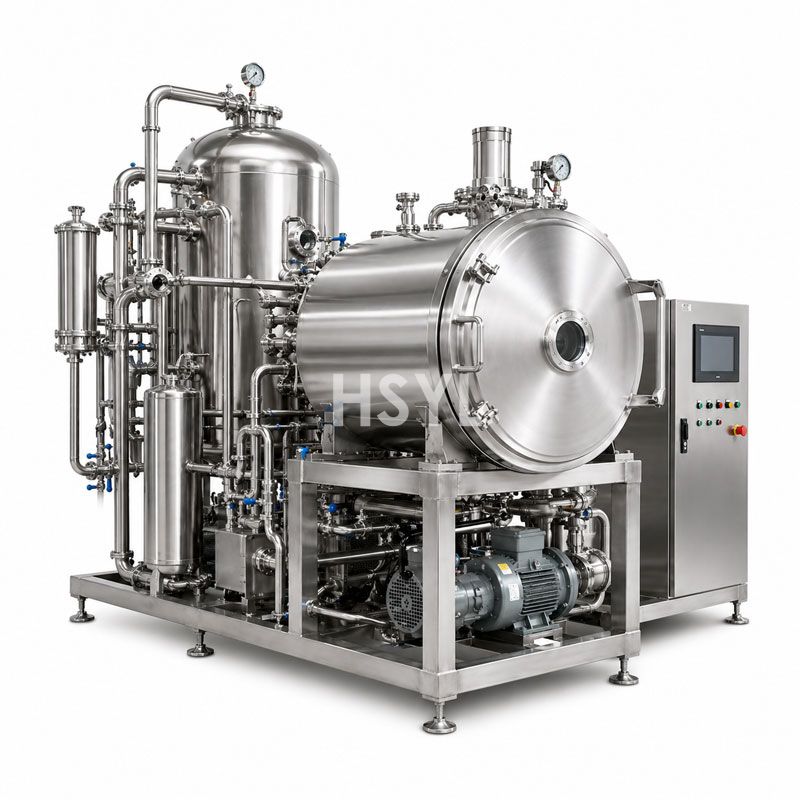
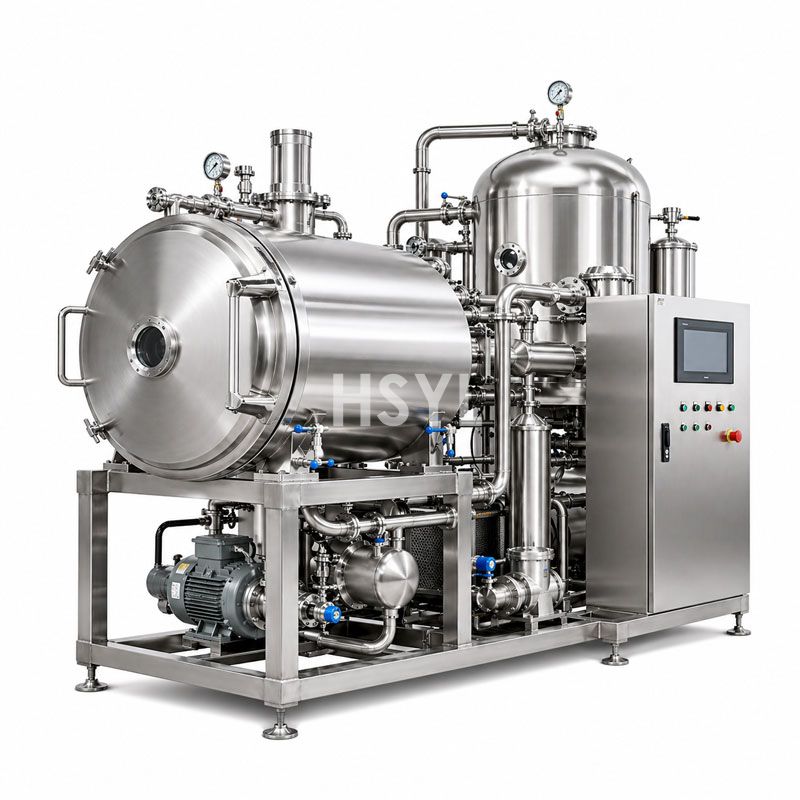
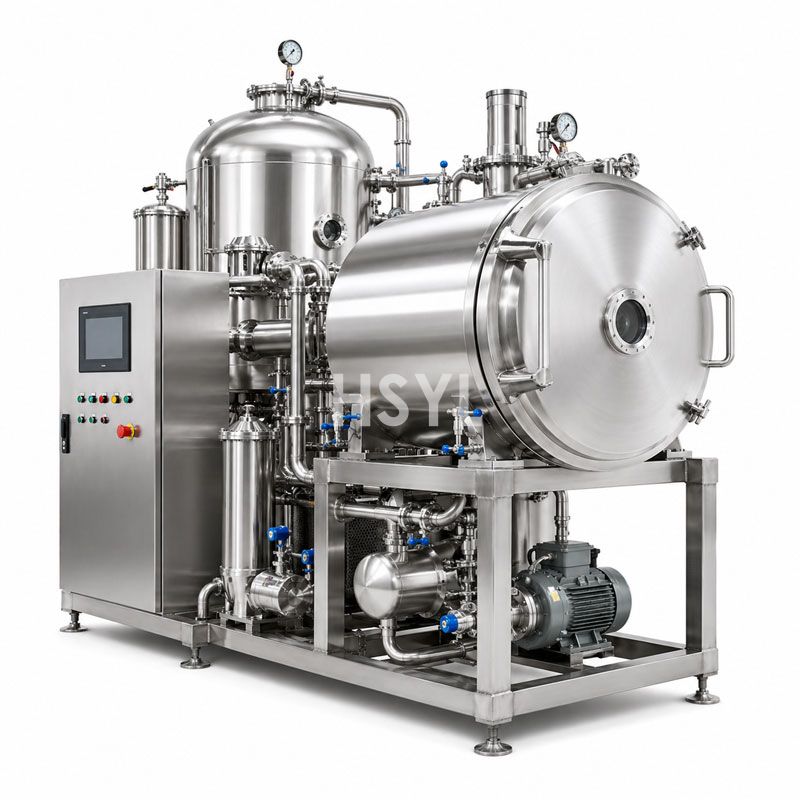
Maximize apple crisp yield and reduce utility costs with our commercial vacuum fryer. Engineered for fragile fruit rings with rapid de-oiling and lower thermal costs.
Transforming raw apples into premium crispy snacks demands exact control over moisture evaporation rates and structural integrity. Operating a profitable fruit snack facility hinges on maximizing intact apple rings and driving down energy costs per batch. By running a deep vacuum environment, our commercial-grade equipment drops the dehydration temperature substantially, allowing processors to achieve a satisfying crunch without compromising the cellular structure or burning the natural fruit sugars.
Unlike fibrous root vegetables, apple matrices easily shatter once dehydrated. Factory operators face the dual challenge of extracting interstitial oil while keeping the iconic ring shape intact. To address this, our engineers have reimagined the internal centrifuge dynamics. The variable-speed de-oiling system gradually ramps up RPMs, utilizing a stepped acceleration profile configured via the HMI. This ensures that the centrifugal forces shear off the surface oil smoothly, practically eliminating breakage waste at the bottom of the chamber.
Furthermore, handling Fuji, Gala, or Granny Smith varieties often means dealing with wildly different seasonal moisture content. The intelligent PLC auto-adjusts the vacuum duration and heat dosing, preventing over-crisping and securing a uniform bite texture across massive production runs.
A major bottleneck in fruit dehydration is thermal inefficiency. Our system tackles this by deploying an oversized shell-and-tube condenser paired directly with a high-velocity heat exchanger. When raw, wetted apple slices enter the hot medium under -0.098 MPa, intensive moisture flashing occurs. Instead of straining the vacuum pump, the expanded condenser area immediately condenses this vapor load.
This rapid stabilization of the chamber pressure means the thermal oil or steam requires significantly less energy to rebound to the target setpoint (usually 85°C). Consequently, plant owners witness a shorter batch turnover time and a direct reduction in boiler fuel consumption, accelerating the Return on Investment (ROI) for the entire processing facility.
| Machine Series | Apple Slice Input (kg/batch) | Slice Diameter Range (mm) | Moisture Evaporation Rate (kg/h) | Operating Vacuum (MPa) | Centrifuge Basket Capacity (L) | Standard Heating Output | Floor Dimensions (mm) |
|---|---|---|---|---|---|---|---|
| VF-AP150 | 150 kg | 40 - 90 mm | Up to 120 kg/h | -0.096 to -0.098 | 450 L | Thermal Oil / Steam | 3200 * 2400 * 2600 |
| VF-AP250 | 250 kg | 40 - 90 mm | Up to 200 kg/h | -0.096 to -0.098 | 700 L | Thermal Oil / Steam | 3800 * 2600 * 2900 |
An isolated fryer cannot guarantee a world-class retail product. Producing vibrant, sweet apple chips requires a holistic approach from washing to bagging. Operators typically start by routing raw materials through a Fresh Cut Fruit Vegetable Processing Line for automated coring, uniform slicing, and an ascorbic acid anti-oxidation dip. Once the pre-treated rings undergo osmotic dehydration and subsequent vacuum processing, they exit as highly hydroscopic crisps. Immediately feeding them into a Leisure Baking Snack Packaging Machine guarantees minimal atmospheric moisture absorption, utilizing multi-head weighers and inert gas flushing to lock in the crunch.
Securing factory uptime is our primary commitment to your processing business. Every unit ships with comprehensive technical documentation and maintenance schedules.
Are you evaluating the transition from freeze-drying to high-capacity vacuum frying? Reach out to our project managers for a thorough comparative cost analysis, customized plant layout draft, and to schedule a trial testing session with your specific fruit cultivars.


Direct AnswerBuilding a canned beans production line for export markets is a pro...
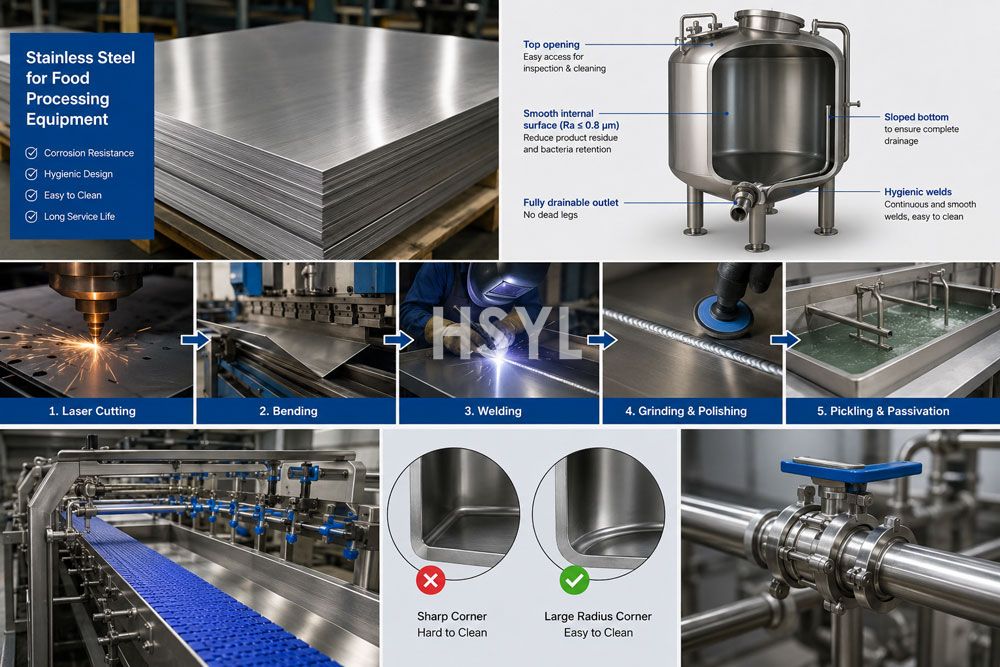
Stainless steel is the standard material for industrial food processing equipmen...
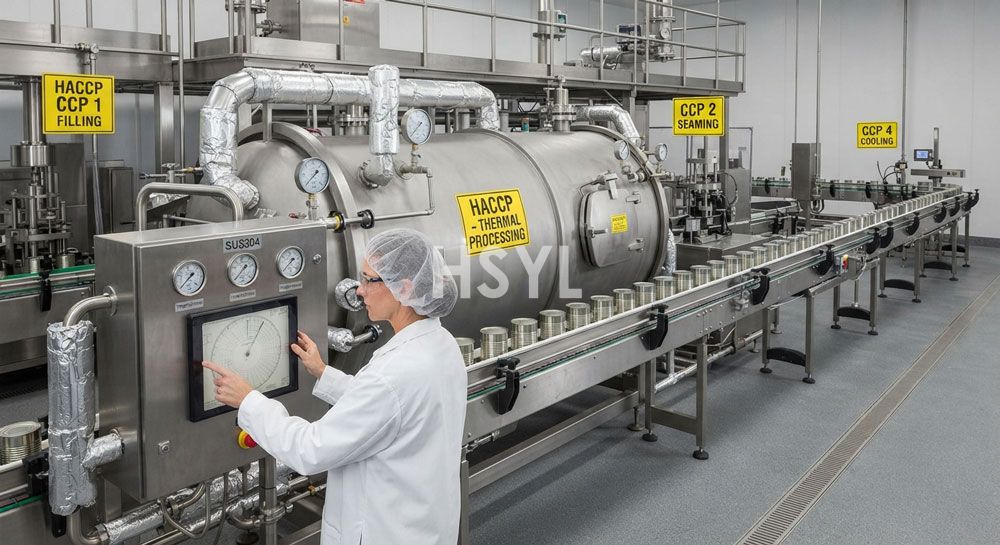
HACCP points in canned food production lines: the seven HACCP principles applied...
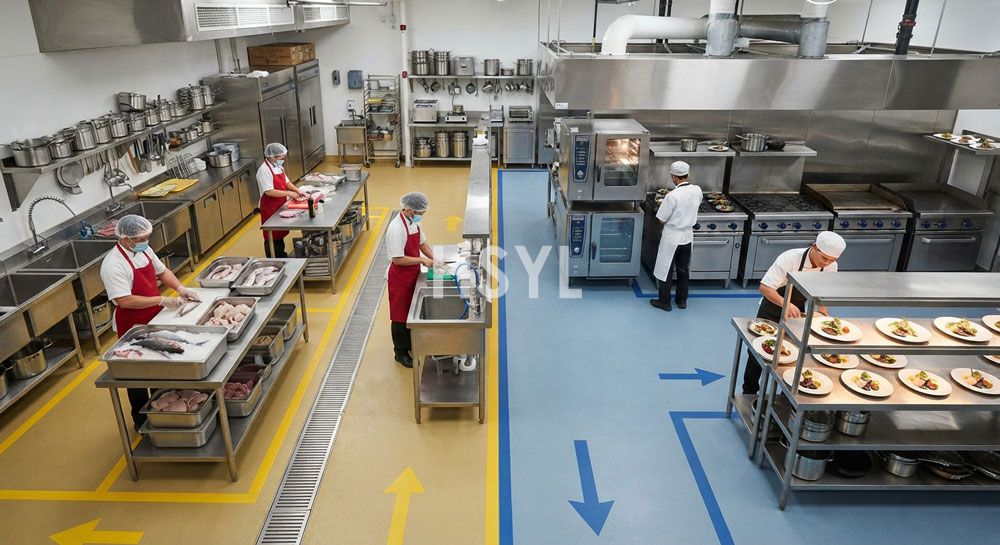
Why commercial kitchens need separate clean and dirty flow design: food safety r...