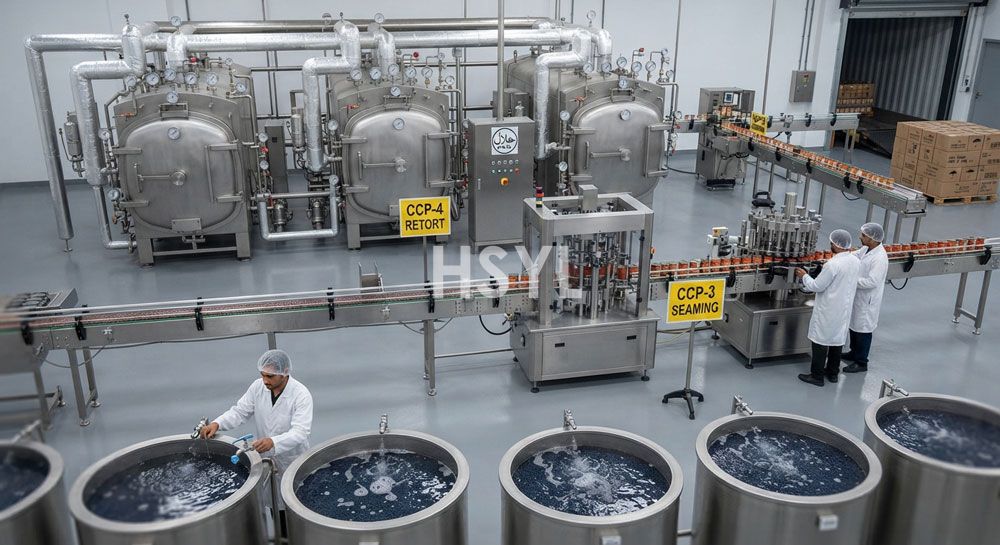
How to Build a Canned Beans Production Line for Export Markets
Direct AnswerBuilding a canned beans production line for export markets is a pro...
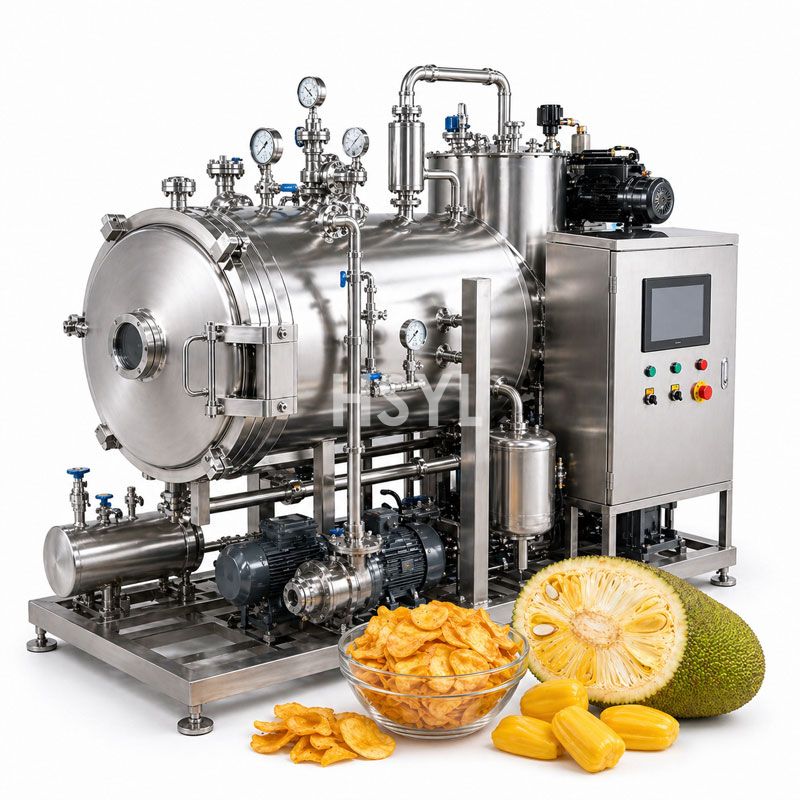
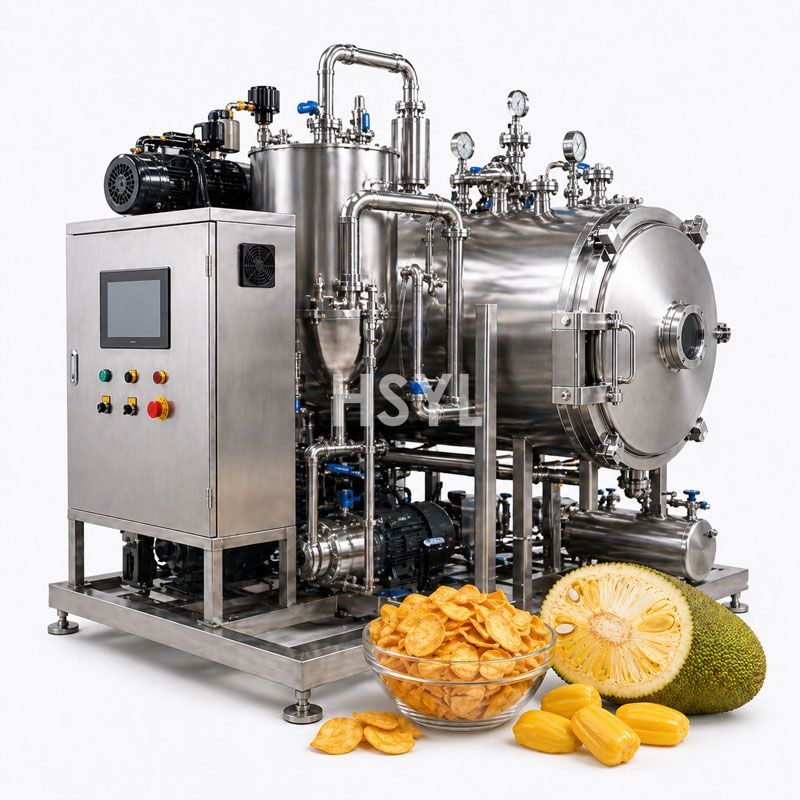
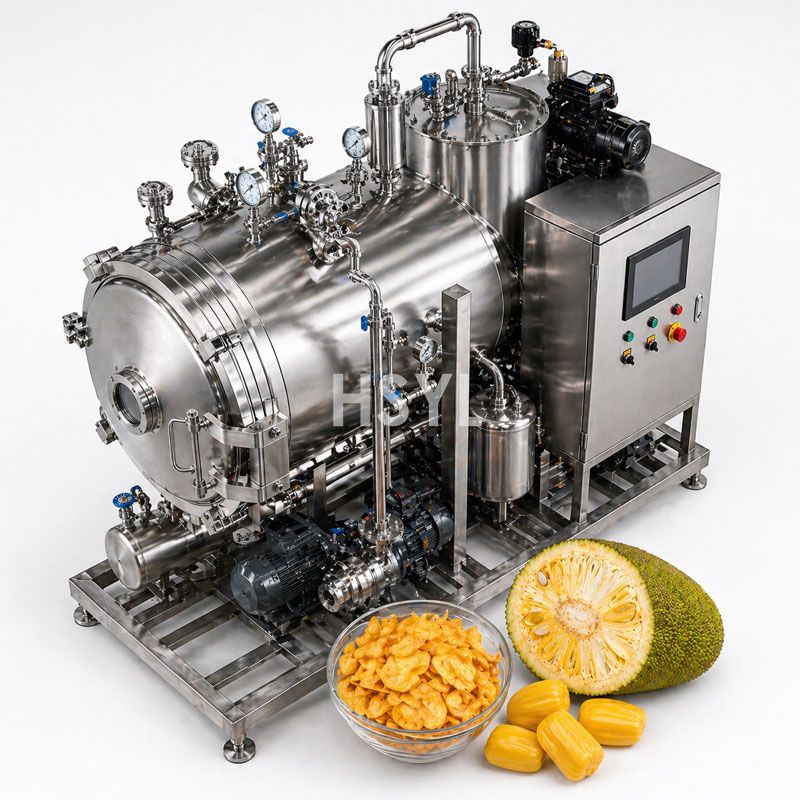
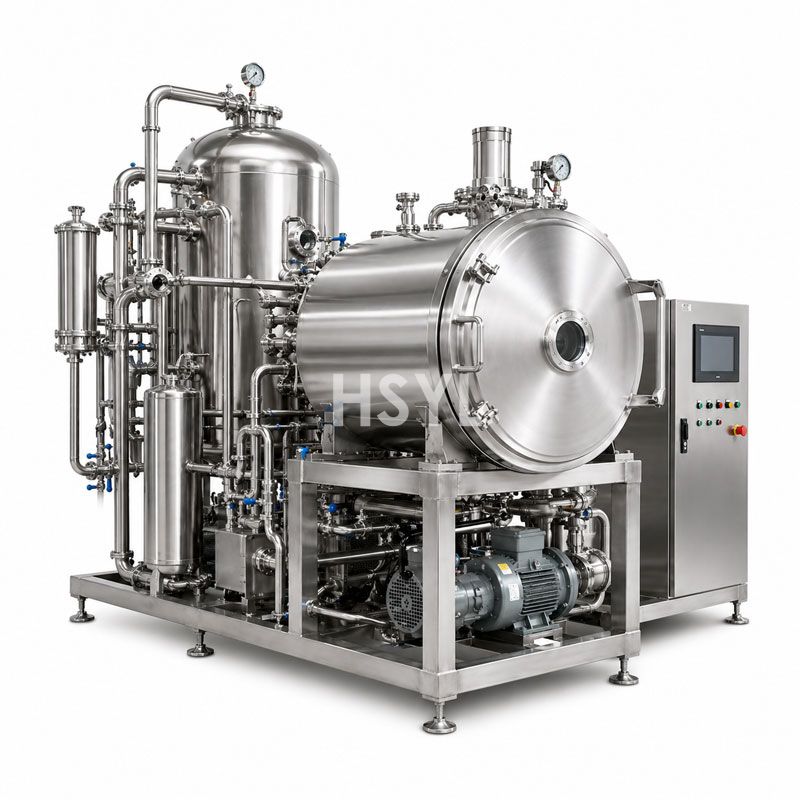
Achieve deep thermal penetration for thick, fleshy jackfruit bulbs. Our industrial vacuum fryer eliminates soggy centers and maximizes crispness for tropical snacks.
Southeast Asian and global processing facilities scaling up their tropical snack operations encounter a highly specific set of thermodynamic hurdles. The sheer thickness, fibrous density, and high sugar content of the jackfruit bulb (aril) prevent standard atmospheric heat from evaporating core moisture before the exterior inevitably burns. Engineered strictly for heavy payload and high-density fruits, this vacuum frying machine bypasses standard atmospheric limitations. By maintaining a deep negative pressure environment, the boiling threshold plummets, ensuring that internal moisture flashes into vapor uniformly throughout the thick fleshy matrix without destroying the bright yellow pigments.
The primary reason jackfruit crisps fail commercial quality control is the "soggy center" defect. The moisture gradient inside a massive fruit bulb requires extreme, sustained vapor extraction geometry. To guarantee a completely dehydrated, brittle core, we equip this specific machine class with an oversized dual-stage vacuum architecture—typically combining a Roots blower with a high-capacity liquid ring pump. This synergy aggressively pulls the massive vapor volumes generated by the thick fruit out of the chamber instantaneously, forcing the heat exchange fluid to penetrate deeply into the microscopic fibrous pores of the jackfruit.
As plant engineers study the mechanics of reducing oil absorption and crispness optimization in snacks, they realize that maintaining this unrelenting vacuum degree (-0.098 MPa) is the only method to physically prevent the outer shell from sealing shut before the interior dries completely.
Jackfruit is notoriously rich in sticky natural latex and complex sugars. During the thermal dehydration phase, these compounds can coat the frying basket mechanism, causing conventional equipment to jam or unbalanced vibrations to trigger alarms during the de-oiling phase. We counteract this mechanical stress by upgrading the internal centrifuge assembly with high-torque servo motors and reinforced, heavy-duty stainless shaft bearings.
Furthermore, the high G-force spin program is specifically calibrated to sling off viscous, sugar-laden oil from the deep crevices of the bulb before atmospheric pressure is reintroduced, locking in an ultra-crisp, non-greasy bite profile.
| Plant Configuration | Bulb Load Capacity (kg) | Bulb Thickness Tolerance (mm) | Vacuum Pump Architecture | Oil Temperature Window (°C) | Continuous Operation Time (h) | Power Load (KW) | Footprint Layout (mm) |
|---|---|---|---|---|---|---|---|
| VF-JF200 | 200 kg | Up to 15 mm | Roots + Liquid Ring (Dual Stage) | 80 - 100 | Up to 24 Hours / Shift | 25 KW | 3600 * 2500 * 2800 |
| VF-JF400 | 400 kg | Up to 15 mm | Roots + Liquid Ring (Dual Stage) | 80 - 100 | Up to 24 Hours / Shift | 40 KW | 4500 * 2800 * 3200 |
We operate as a direct B2B Original Equipment Manufacturer (OEM) providing uncompromised build quality tailored to tropical climates. Our jackfruit vacuum fryers feature enhanced cooling tower loops to battle high ambient humidity and temperature zones, ensuring the condenser never drops in efficiency. If your project demands strict international audit compliance, we execute all welding using inert gas shielding to eliminate microscopic pitting, ensuring that the heavy jackfruit sap washes away perfectly during daily CIP (Clean-In-Place) routines.
Food corporate buyers frequently weigh equipment capabilities against alternate dehydration methods like the Vacuum Freeze Dryer. While freeze drying maintains absolute structural volume with zero oil, vacuum frying is favored for commercial snacking due to its vastly superior production throughput, lower per-kilogram footprint cost, and the highly palatable, savory crunch provided by the micro-infusion of frying oil. For exporting addictive, retail-ready jackfruit chips to Western markets, our vacuum frying module remains the undisputed ROI leader.


Direct AnswerBuilding a canned beans production line for export markets is a pro...
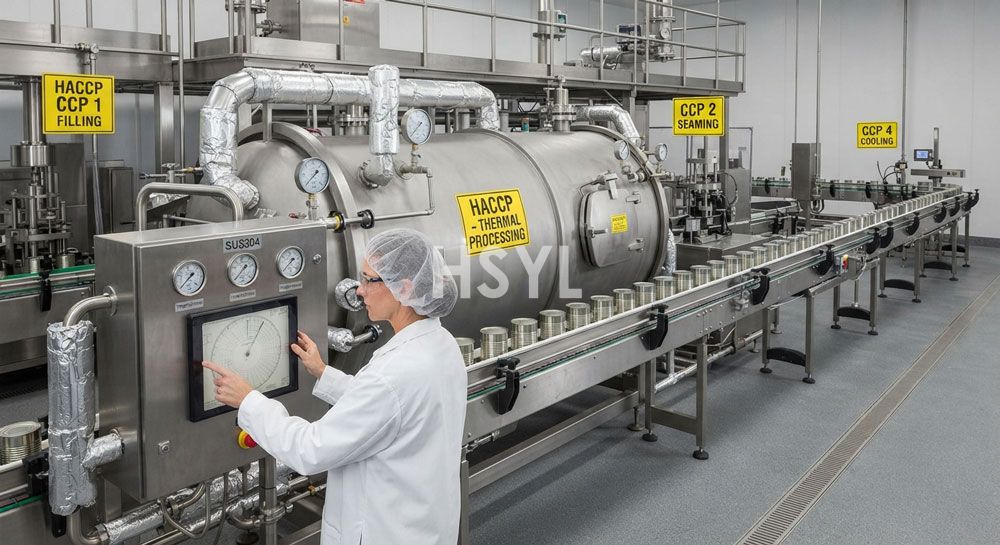
HACCP points in canned food production lines: the seven HACCP principles applied...
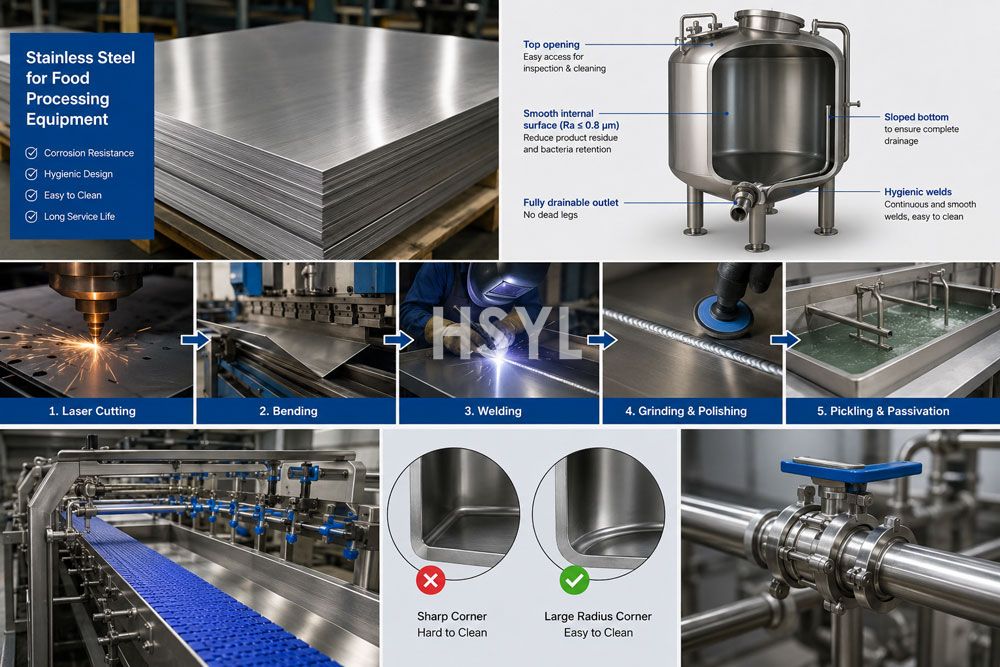
Stainless steel is the standard material for industrial food processing equipmen...
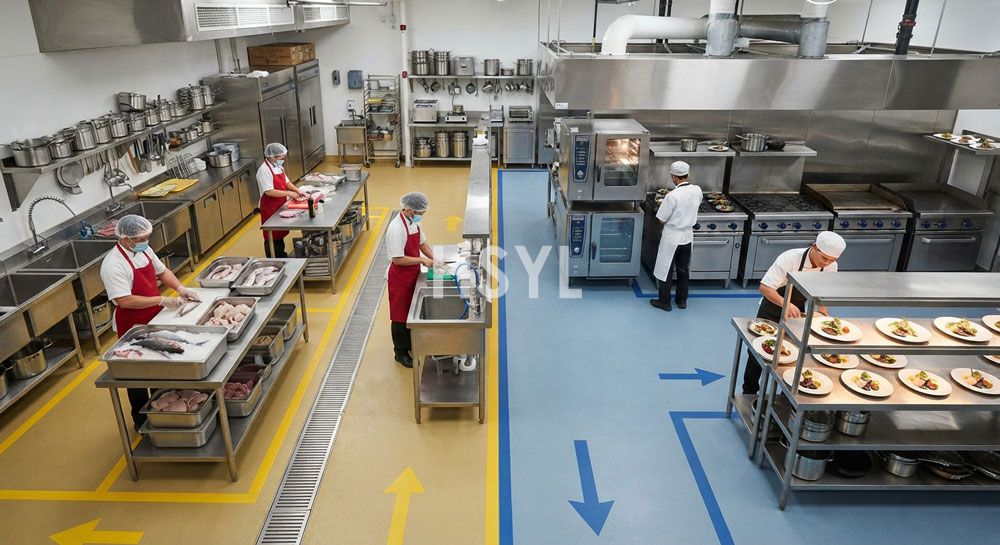
Why commercial kitchens need separate clean and dirty flow design: food safety r...