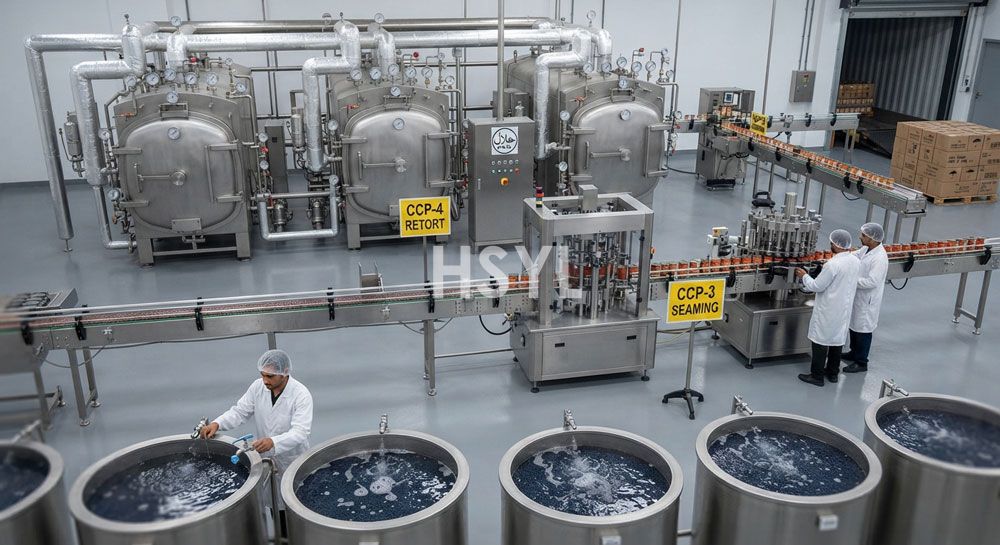
How to Build a Canned Beans Production Line for Export Markets
Direct AnswerBuilding a canned beans production line for export markets is a pro...
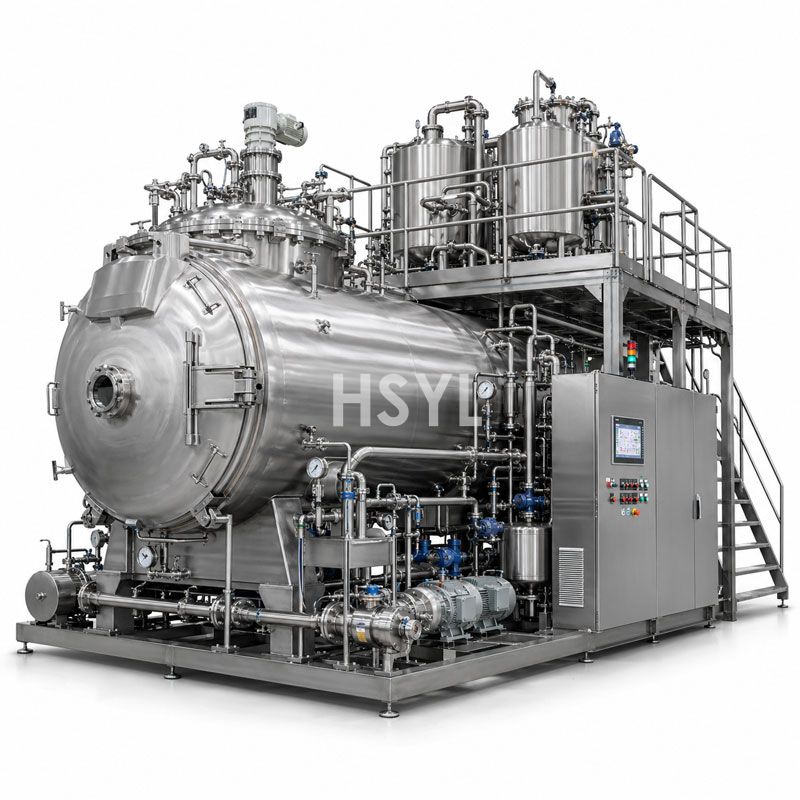
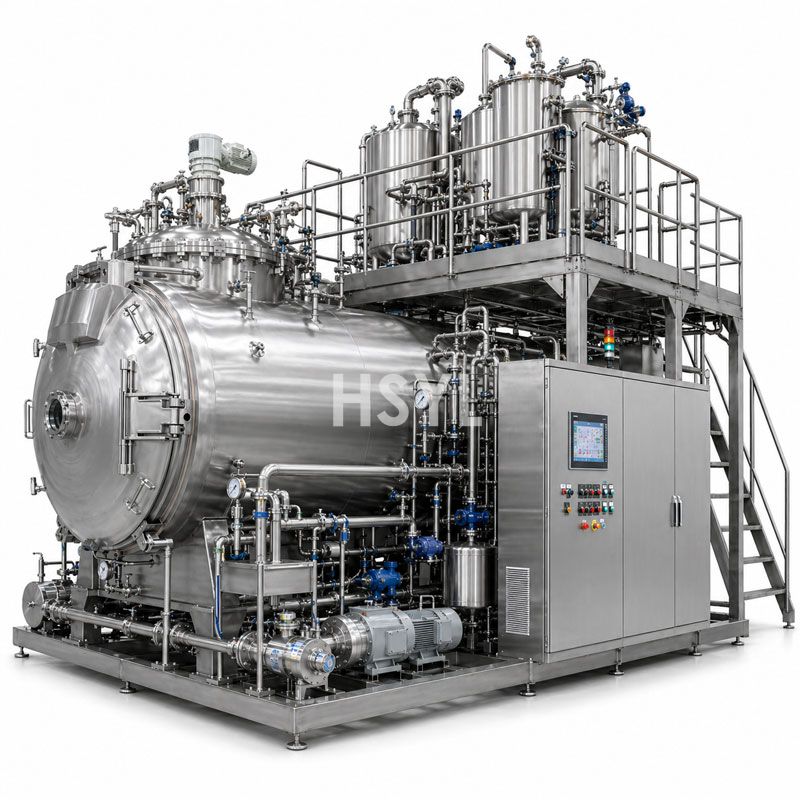
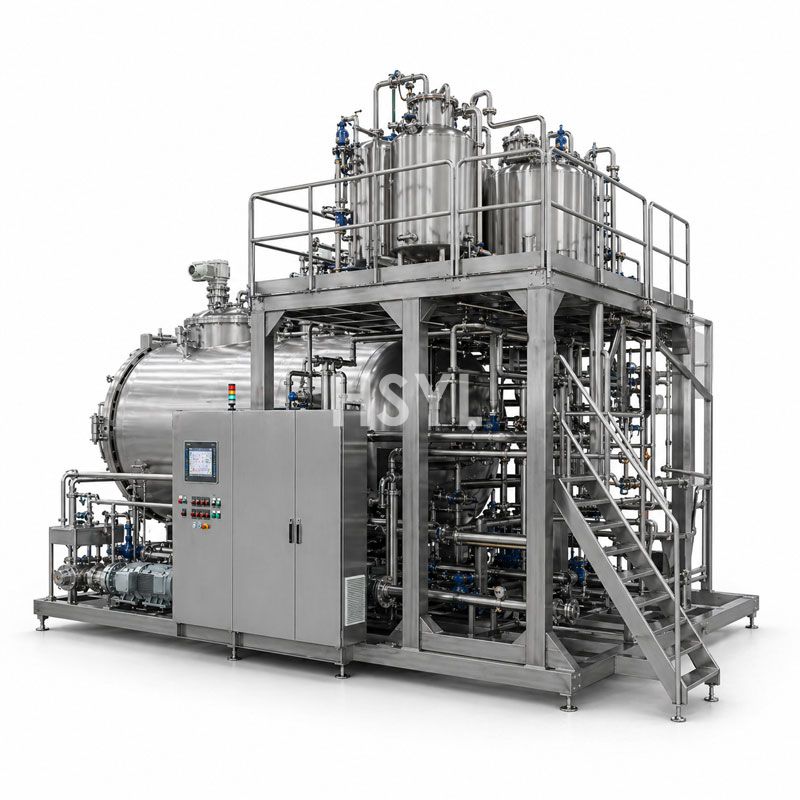
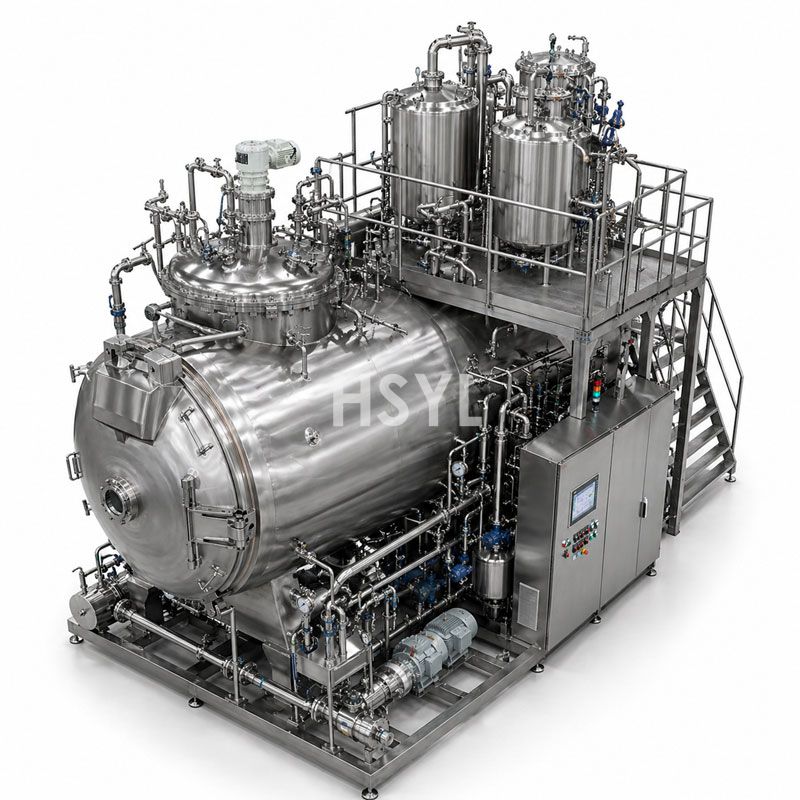
Achieve sub-15% fat content in industrial snacks. Our low oil vacuum fryer uses under-vacuum centrifugal de-oiling to drastically reduce caloric density.
As global health regulations tighten and consumer demand radically shifts toward low-calorie, guilt-free snacking, minimizing the final fat content of commercial crisp products is no longer an optional marketing angle—it is a procurement necessity. The definitive processing dilemma for snack plant engineers has traditionally been extracting heavy surface cooking oil without sacrificing the highly palatable, savory crunch. Engineered specifically for the health foods sector, our Low Oil Vacuum Fryer leverages a precise combination of thermodynamics and extreme variable-frequency centrifugal forces to physically strip triglycerides from the snack's cellular matrix, consistently achieving final fat metrics below 15%.
The exact mechanism that dictates low oil absorption happens not during the frying itself, but immediately as the cooking cycle concludes. In standard factories, when product is lifted out of hot oil and enters room-temperature atmospheric air, the sudden pressure differential violently forces lingering surface oil deeply into the micro-pores of the dehydrated food. We completely bypass this physics trap.
In our system, once the target moisture is evaporated, the loaded basket lifts above the oil bath while still sealed within the -0.098 MPa vacuum. A heavy-duty servo motor then triggers a high-speed centrifugal spin cycle. Because the atmospheric pressure has not yet been restored to push the oil inward, the centrifugal G-forces effortlessly shear the oil droplets off the product surface and fling them back into the reservoir. Only after the basket halts does the system break vacuum, resulting in a bone-dry, non-greasy crisp.
| Machine Series | Raw Input Volume (kg) | Final Oil Retention (%) | Max Centrifugal De-Oiling Speed | Oil Bath Regeneration Cycle | Heating Source Type | Vacuum Maintenance (MPa) | Base Footprint (mm) |
|---|---|---|---|---|---|---|---|
| VF-LO150 | 150 kg | Typically 10% - 15% | Up to 350 RPM (VFD Control) | Continuous Bypass Filtration | Steam or Thermal Fluid | -0.096 to -0.098 | 3100 * 2400 * 2650 |
| VF-LO250 | 250 kg | Typically 10% - 15% | Up to 350 RPM (VFD Control) | Continuous Bypass Filtration | Steam or Thermal Fluid | -0.096 to -0.098 | 4100 * 2700 * 3050 |
Extensive laboratory testing in high-yield factories continually demonstrates the divide between equipment choices. Unlike a traditional Continuous Frying Machine designed for high-volume, deep-fat products like wet french fries or breaded chicken (which routinely yield 35% to 45% fat by weight), the vacuum platform completely alters the macro-nutrient profile of the snack. By frying at drastically lower temperatures (80°C - 95°C), the cellular walls of fruits and vegetables do not rupture violently. This intact cellular structure prevents excess oil permeation, ensuring your facility can proudly market a "low fat" or "health conscious" final retail bag.
Operating a profitable low-oil line requires keeping the frying medium immaculate. High frying temperatures (above 160°C) rapidly oxidize cooking oils, creating harmful trans-fats and free fatty acids (FFAs) that destroy the flavor of the snack. Because this vacuum framework operates completely devoid of oxygen, the oxidation rate of your oil drops to near zero. An integrated pneumatic circulation pump continually directs the oil through a dense micron-filter battery, actively stripping microscopic food particulates from the bath. This hygienic closed-loop approach drastically extends the lifespan of expensive frying oils.
Providing the market with elite, low-calorie crisps generally involves a synchronized array of specialized equipment. Modern food corporations deploying this dehydration module typically embed it within a Fully Automatic Potato Chips Line. Seamless integration guarantees that the raw tubers or fruits are precision-cut and starch-washed at exact volumes that perfectly mirror the batch load limits of the vacuum fryer, delivering maximum Overall Equipment Effectiveness (OEE).
Ready to validate the fat content of your product? Connect with our mechanical engineers to review our basket capacity mathematics, explore our programmable Siemens PLC spin profiles, and obtain an exact ROI layout for your low-oil production facility.


Direct AnswerBuilding a canned beans production line for export markets is a pro...
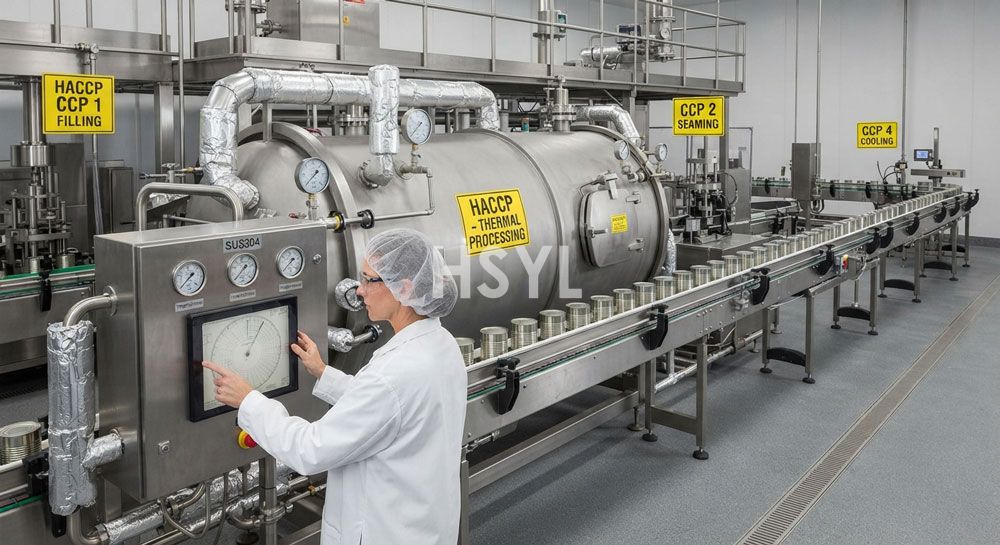
HACCP points in canned food production lines: the seven HACCP principles applied...
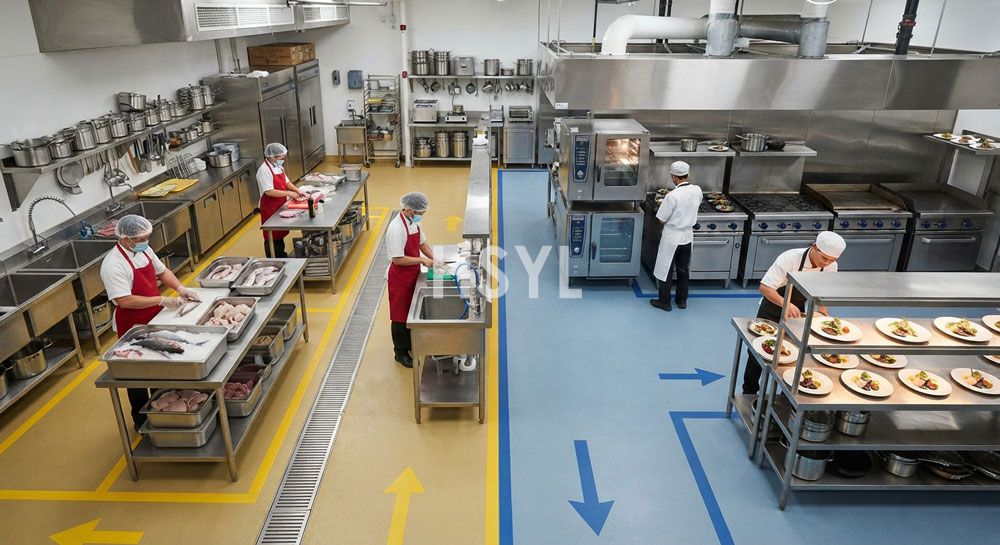
Why commercial kitchens need separate clean and dirty flow design: food safety r...
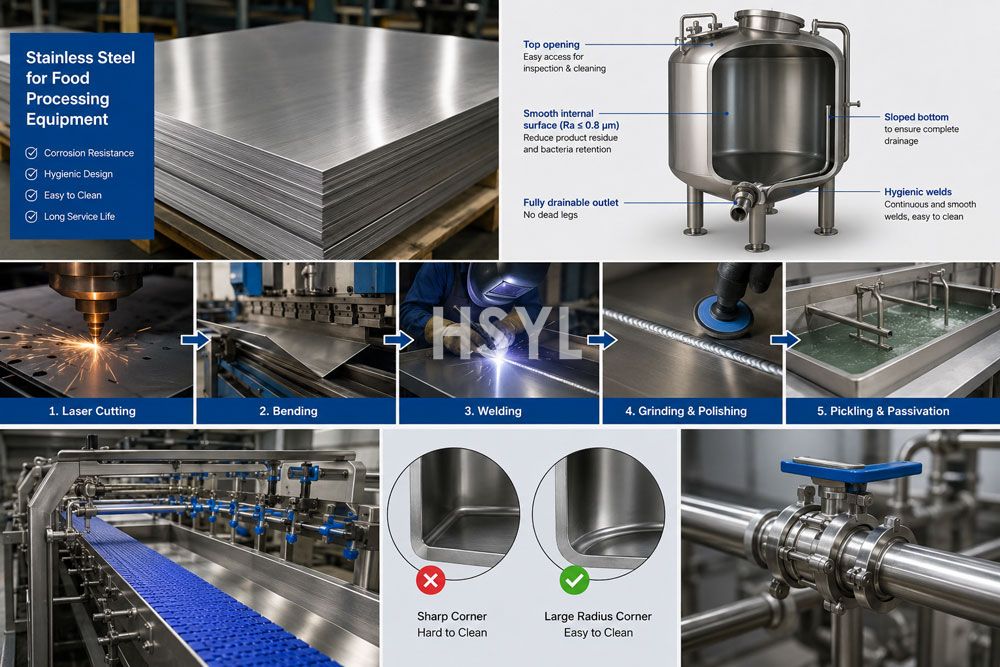
Stainless steel is the standard material for industrial food processing equipmen...