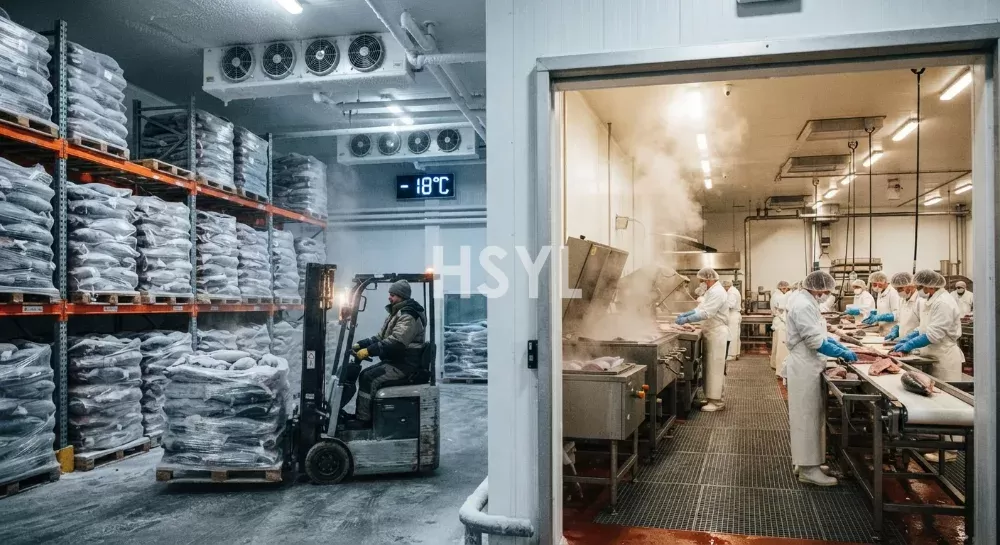
Seasonal Fish Canning: Cold Storage, Multi-Species Rotation and Year-Round Line Utilization
Direct AnswerThe most expensive asset in a fish cannery is not the retort or the...
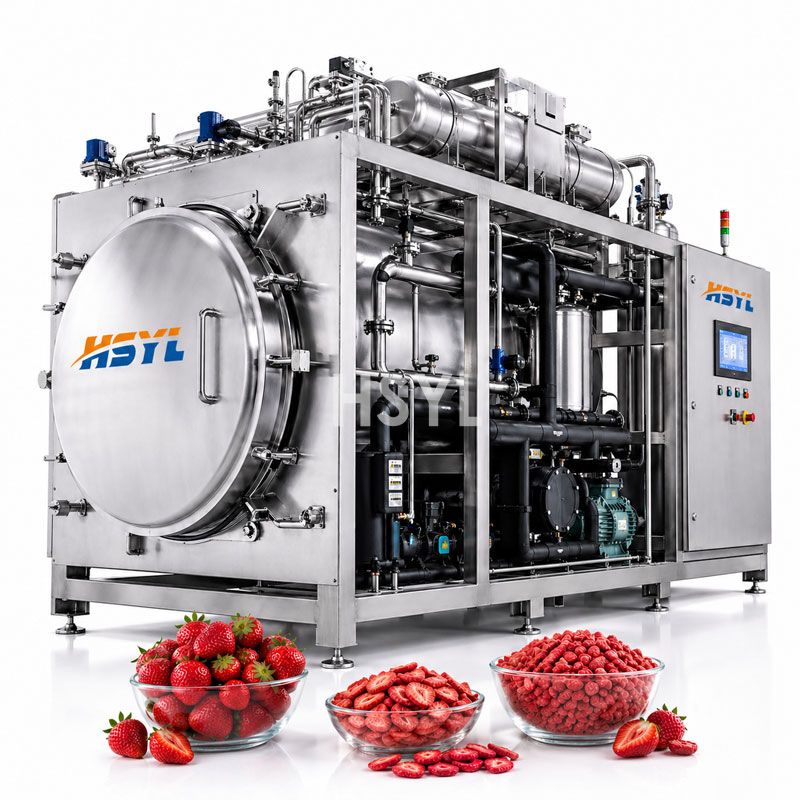
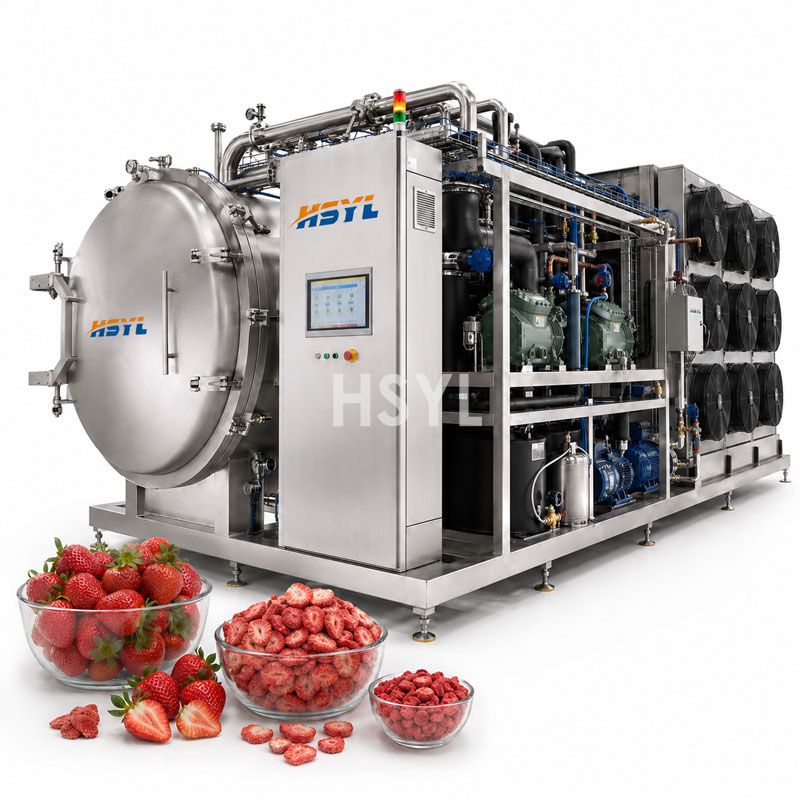
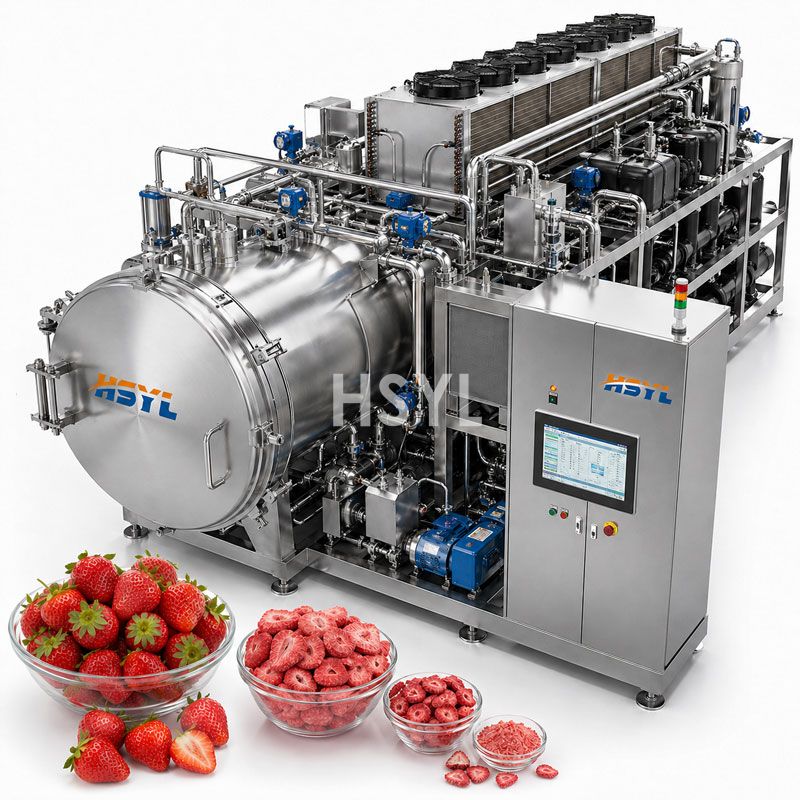
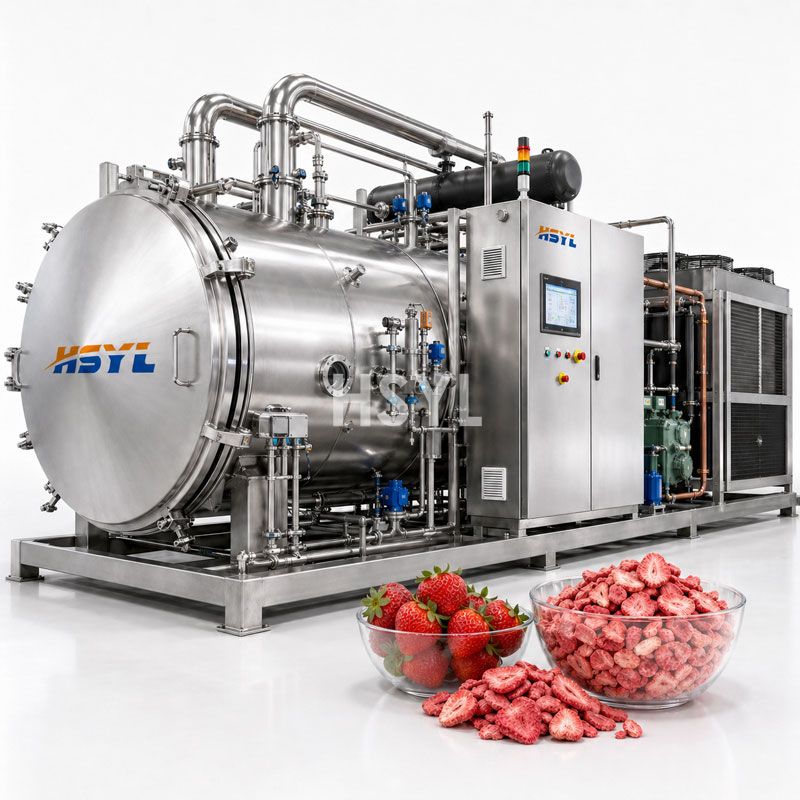
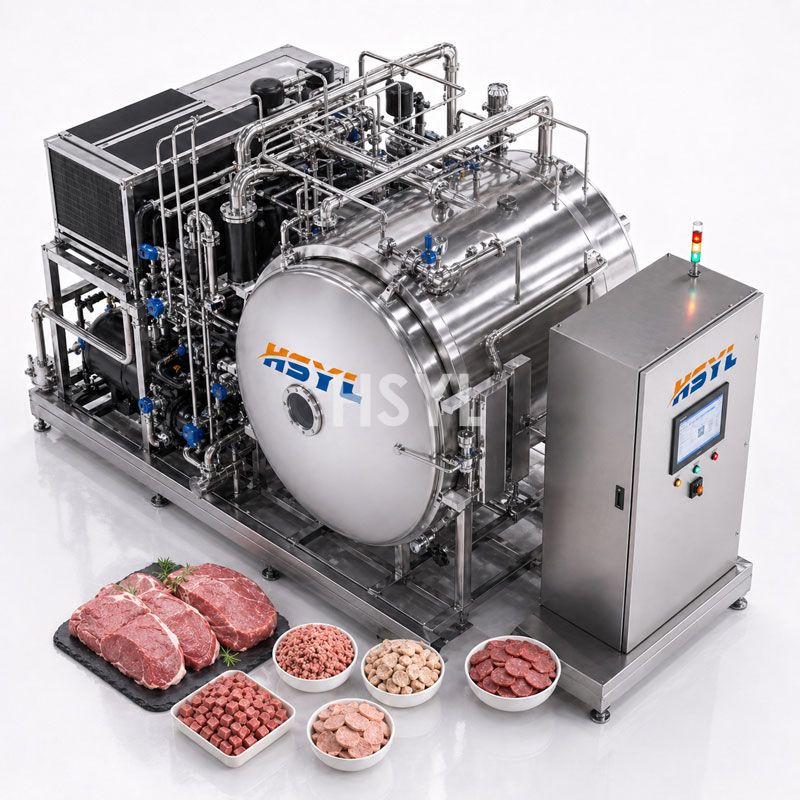
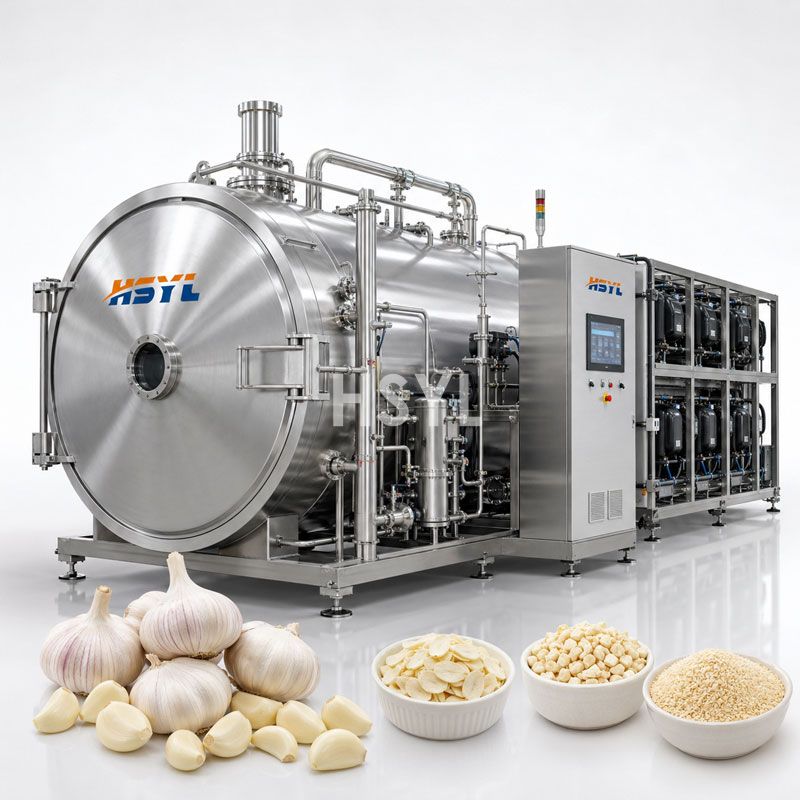
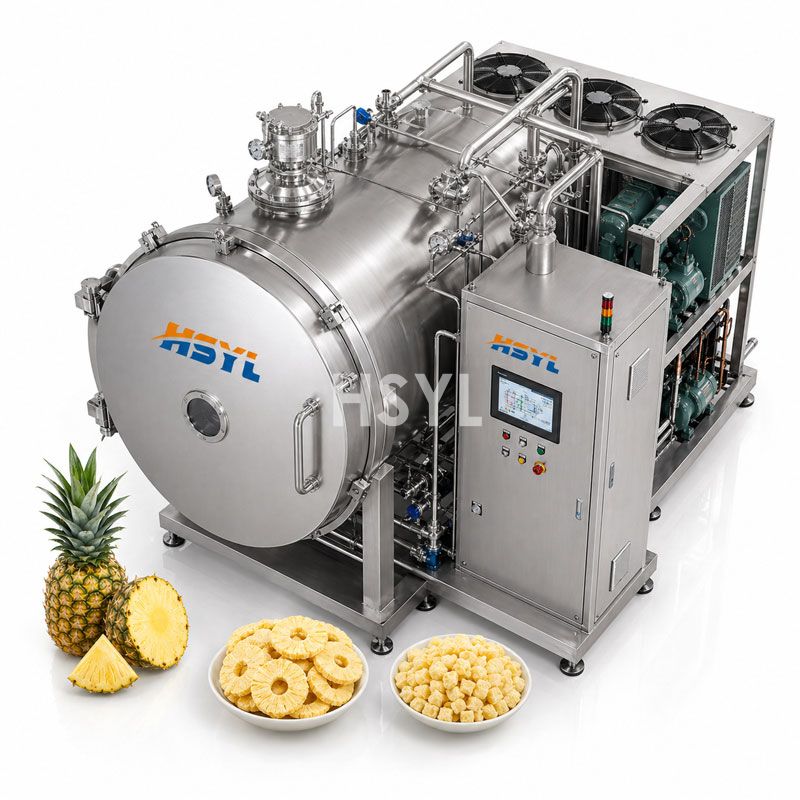
Freeze dry whole strawberries, slices, and purees on one commercial machine. Our strawberry freeze drying equipment features agile recipe curves to prevent sugar melt and lock in flavor.
The soft fruit sector—particularly strawberries—presents the ultimate dehydration test for commercial food processors. Comprising over 90% water, a strawberry subjected to conventional thermal air drying invariably collapses into a dark, leathery, and vitamin-depleted mass. Our Industrial Strawberry Freeze Drying Machine completely circumvents the liquid phase of moisture evaporation. Utilizing the advanced engineering physics of lyophilization, this equipment forces water to transition directly from a solid ice state into a gas (sublimation). This rigid, ultra-cold process preserves the exact 3D geometric volume, vivid red anthocyanin pigments, and near 100% of the original nutritional profile of the berry.
In the premium snack and breakfast cereal markets, consumers visually inspect the product. If a dried strawberry exhibits severe cellular shrinkage or brownish oxidation, retail rejection is imminent. During standard heat dehydration, the liquid water exiting the cellular matrix exerts immense surface tension, crushing the micro-structure of the fruit inward.
Because our freeze dryer operates below the triple point of water (in a deep vacuum environment below 100 Pascals), surface tension never occurs. As the ice crystals sublimate away into the cold trap, they leave behind a completely intact, microscopic spongy matrix. This not only locks the fruit's physical shape flawlessly but guarantees rapid, instantaneous rehydration when the consumer later introduces the fruit to milk or water.
| Freeze Dryer Series | Fresh Strawberry Input (kg) | Cold Trap Temperature (°C) | Required Shelf Heating Range (°C) | Estimated Sublimation Cycle | Operating Deep Vacuum (Pa) | External Facility Power (KW) | Skid Dimensions (mm) |
|---|---|---|---|---|---|---|---|
| FD-ST200 | 200 kg | Consistently ≤ -60°C | -40°C up to +80°C | 18 - 24 Hours | < 50 Pa | 35 KW | 4200 * 2200 * 2700 |
| FD-ST500 | 500 kg | Consistently ≤ -60°C | -40°C up to +80°C | 18 - 24 Hours | < 50 Pa | 65 KW | 6500 * 2800 * 3200 |
Sublimation fundamentally requires the input of latent heat, even when operating in freezing conditions. However, transferring heat through a near-absolute vacuum is incredibly difficult because air convection is absent. We overcome this thermodynamic bottleneck by utilizing hollow, highly conductive SUS304 stainless steel product shelves. A precisely modulated thermal fluid (typically silicone oil) circulates within these shelves, transferring heat directly via conduction to the stainless steel product trays carrying the strawberries.
The integrated PLC governs the thermal fluid's temperature loop aggressively. If the shelves heat the fruit too aggressively, the internal ice will melt before it sublimates, instantly ruining the batch. This closed-loop sensory control guarantees the optimal heat flux is maintained from the primary drying phase straight through to final secondary desorption.
Deploying a successful lyophilization facility demands seamless upstream logistical timing. While some pharmaceutical freeze dryers freeze the product directly on the inner shelves, industrial fruit drying highly dictates separating the freezing and drying stages to maximize the vacuum chamber's uptime (Overall Equipment Effectiveness). Factory managers should route raw strawberries through dedicated Quick Freezing Equipment (such as an IQF tunnel) to drop the core temperature of the berries rapidly to -35°C. Once fully crystallized, the pallets are swiftly transferred into the Fruit and Vegetable Freeze Drying Machine, ensuring that the expensive vacuum pumps and cold trap compressors are utilized strictly for the high-margin sublimation phase.
Setting up a true freeze-drying enterprise fundamentally requires stringent industrial validation and bespoke architectural engineering.
Are you formulating a financial model for premium freeze-dried fruit manufacturing? Provide our engineering desk with your targeted annual output capacity. We will swiftly return a comprehensive factory layout blueprint detailing necessary freeze staging zones, electrical grid demands, and a precise ex-works equipment quotation.


Direct AnswerThe most expensive asset in a fish cannery is not the retort or the...
The filling medium — the liquid that fills the void spaces between the fish piec...
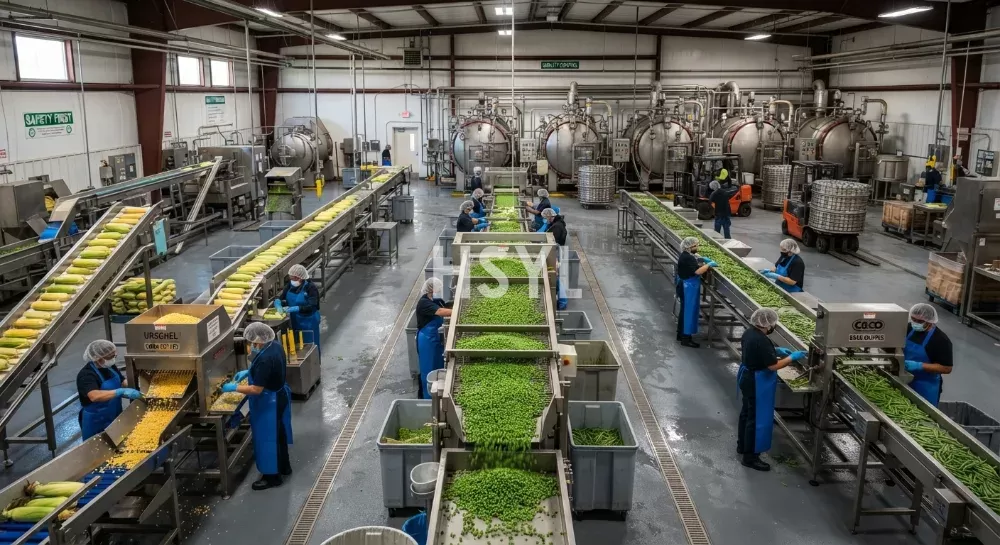
Low-acid canned vegetable processing line for corn, peas, and green beans. Press...
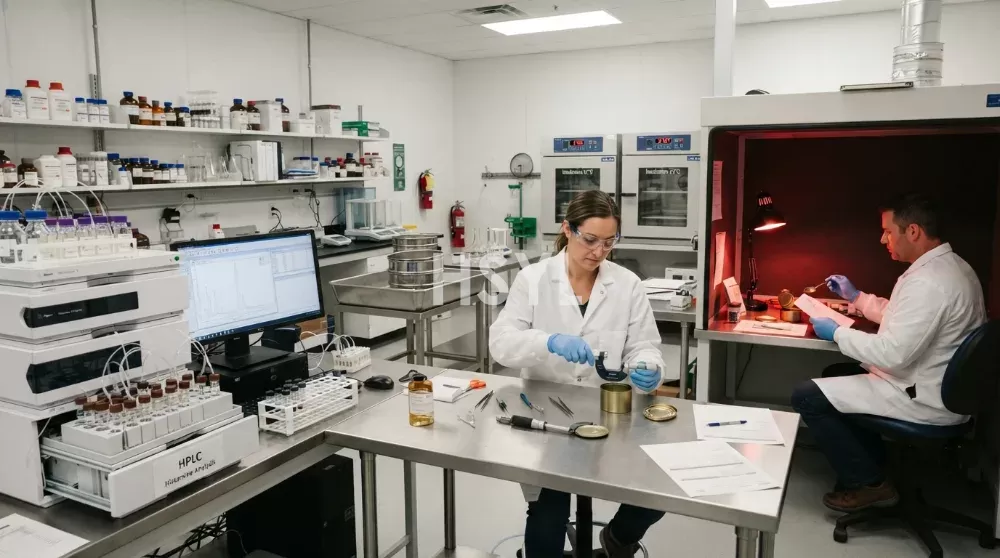
Complete sardine and mackerel canning line: heading and gutting automation, can ...