


Equipment Know-How
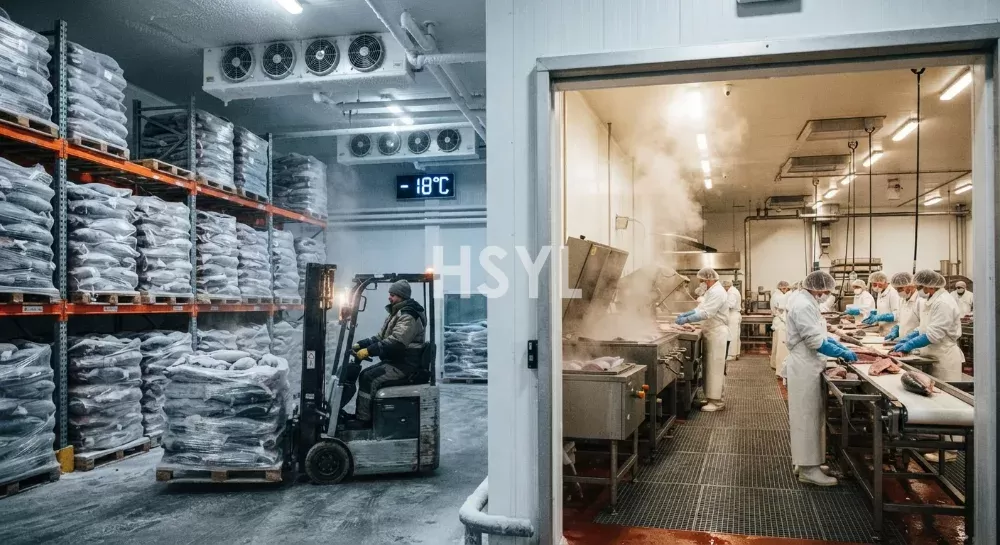
Seasonal Fish Canning: Cold Storage, Multi-Species Rotation and Year-Round Line Utilization
Direct AnswerThe most expensive asset in a fish cannery is not the retort or the...
Read more →End-to-end design, manufacturing, and delivery—empowering you to achieve efficient, compliant, and highly profitable production in any global market.
Industrial fruit and vegetable processing requires equipment capable of handling large volumes of fresh produce with minimal mechanical damage. Fresh agricultural materials such as carrots, apples, tomatoes, cucumbers, and potatoes arrive with soil contamination, inconsistent size distribution, and fragile cellular structures that require careful mechanical processing.
Modern China fruit and vegetable processing equipment integrates washing, sorting, peeling, and cutting technologies to convert raw agricultural products into standardized processing inputs. Facilities operating vegetable processing plants commonly deploy bubble washing tanks, brush washers, rotary graders, and high-speed dicing machines capable of processing 2–10 tons of raw produce per hour while maintaining low product loss rates.
Proper equipment selection significantly improves raw material utilization. In typical vegetable cutting operations, poorly designed machinery can cause 6–10 percent yield loss due to crushing or irregular slicing. Precision cutting systems with adjustable blade assemblies reduce trimming waste and ensure consistent cube sizes for downstream processing such as freezing or canning.
Handling different agricultural materials requires specialized processing methods. For example, root vegetables with dense outer skins typically require brush roller washing combined with abrasive peeling drums. In contrast, delicate fruits must be washed in air bubble flotation tanks where gentle water agitation removes soil without damaging the fruit surface.
Sorting and grading stages further standardize incoming produce before mechanical cutting or pulping. Roller grading systems classify materials based on diameter ranges, allowing downstream slicing machines to maintain consistent blade loading and prevent mechanical jams during high-speed operation.
| Parameter | Typical Industrial Range |
|---|---|
| Processing capacity | 500 kg/h to 20,000 kg/h depending on equipment type |
| Material construction | SUS304 stainless steel standard, SUS316L optional for acidic fruits |
| Blanching temperature range | 85°C to 98°C for enzyme inactivation before freezing |
| Control system | PLC automation with touch screen HMI interface |
| Installed power consumption | 5 kW to 60 kW depending on machine configuration |
Factories processing fresh fruits and vegetables often encounter operational constraints when scaling production volumes. Manual trimming operations cannot maintain stable throughput once production exceeds 3 tons per hour, while poorly designed washing systems frequently cause water contamination buildup that reduces cleaning efficiency.
Equipment designed with modular integration allows factories to expand production capacity by adding additional processing stages such as pulping units, vacuum concentration systems, or sterilization kettles. This flexible equipment architecture is particularly important for facilities producing multiple product categories from seasonal agricultural raw materials.
Fruit and vegetable processing equipment operates under continuous exposure to water, plant acids, and abrasive soil particles. Mechanical durability therefore depends heavily on material selection and structural design. Industrial machines are typically constructed with 3–5 mm thick stainless steel frames and sealed bearing assemblies to prevent corrosion.
Wear components such as cutting blades, peeling rollers, and conveyor belts must be inspected regularly during high-volume production. Vegetable dicing machines processing carrots or potatoes at 5 tons per hour may require blade sharpening every 80–120 operating hours to maintain cutting precision.
Routine preventive maintenance schedules usually include lubrication checks, sanitation inspection, blade alignment verification, and water filtration system cleaning. These procedures ensure consistent equipment performance and extend operational lifespan beyond 10 years of industrial use.
International certifications including GMP, FDA, CE, and HACCP ensure your products succeed worldwide.
Average payback period of 18 months, 25% lower energy consumption, and 300% higher production capacity.
End-to-end support—from feasibility studies to after-sales maintenance—so you can focus on your core business.
Why choose us? Three core pillars ensure maximum return on your investment.
Fully customized design from the ground up, strictly compliant with the highest global standards (GMP, FDA, CE), ensuring a perfect fit for your unique requirements—ideal for high-standard markets such as Europe and the Middle East.
One-stop service covering feasibility studies, equipment manufacturing, system integration, installation, commissioning, and operator training—simplifying even the most complex projects. Especially suited for fast-growing markets in Southeast Asia.
Our systems feature rapid changeover capabilities and energy-efficient design, enabling you to adapt effortlessly to market shifts while minimizing operational costs and maximizing ROI.
From individual equipment to complete production lines, our products cover every aspect of food processing, ensuring that your turnkey projects have the most reliable technological foundation.
Global certifications including CE, FDA, and GMP
Tailored solutions based on your specific needs
From installation and commissioning to after-sales support
Green manufacturing to reduce operational costs
Covering 12 core industries, each solution has been validated through practical experience and tailored to your specific needs

Industrial fruit and vegetable processing Solutions. Turnkey solutions for washi...
View
Canned food production line manufacturer for fish, meat, fruit and vegetable can...
View
Advanced seafood processing lines for fish, shrimp, and crab. Includes grading, ...
View
Industrial processing lines for tomato paste, chili sauce, and mayonnaise. High-...
View
Professional meat processing equipment solutions. Automated lines for sausage, h...
ViewBacked by real-world case studies, showcasing our successful experience across industries and regions.
Latest technological trends and professional insights
Direct AnswerThe most expensive asset in a fish cannery is not the retort or the...
Read more →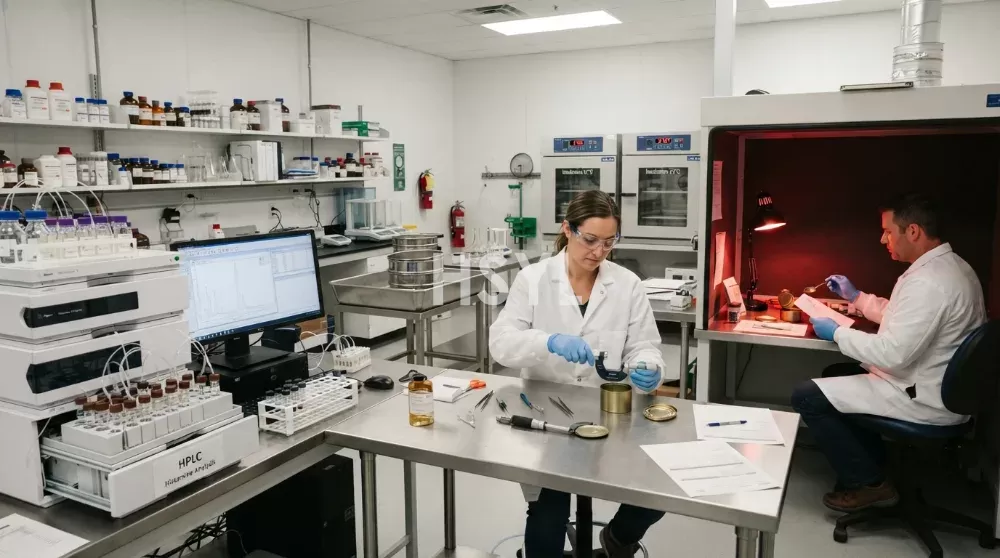
Complete sardine and mackerel canning line: heading and gutting automation, can ...
Read more →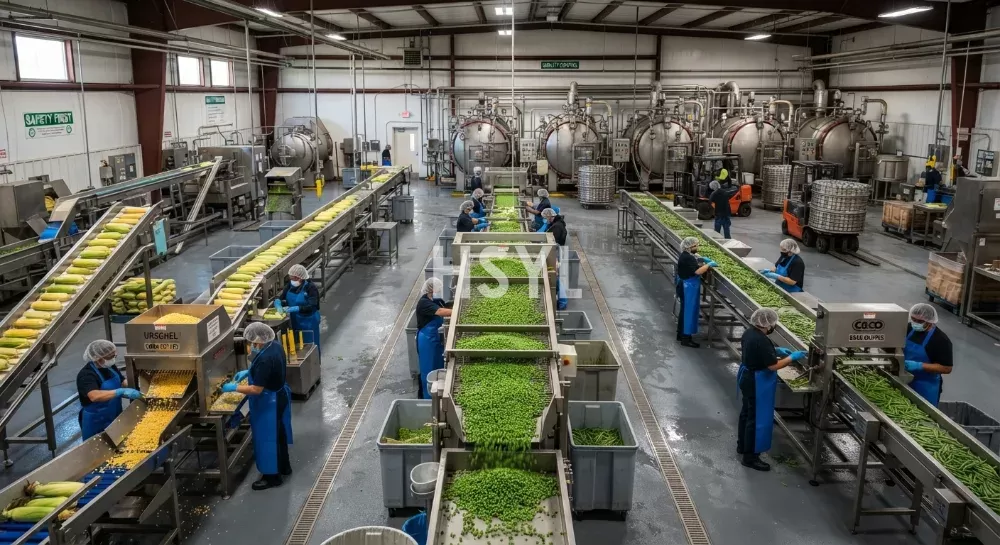
Low-acid canned vegetable processing line for corn, peas, and green beans. Press...
Read more →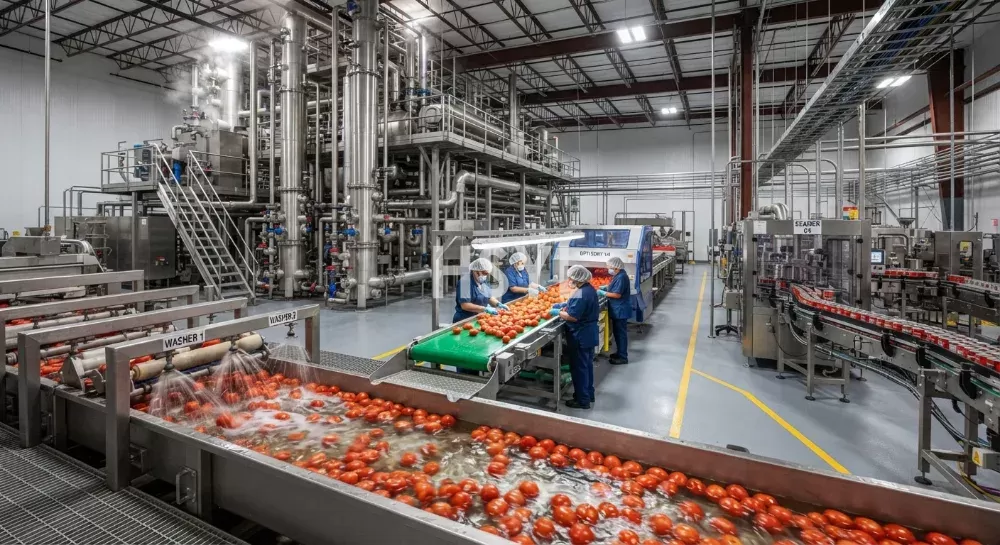
Direct AnswerA tomato products canning line converts fresh tomatoes into four di...
Read more →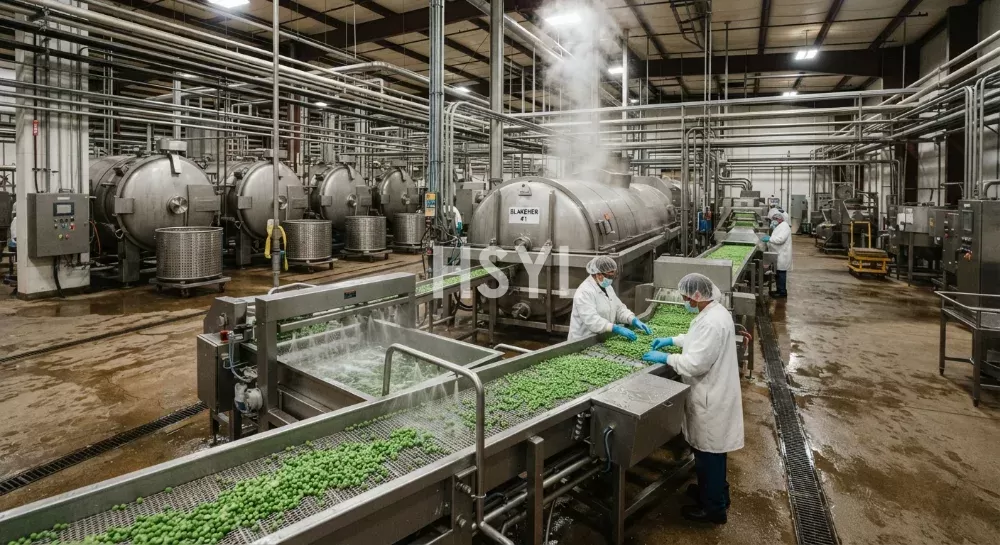
Direct AnswerA canned vegetables production line converts fresh or frozen vegeta...
Read more →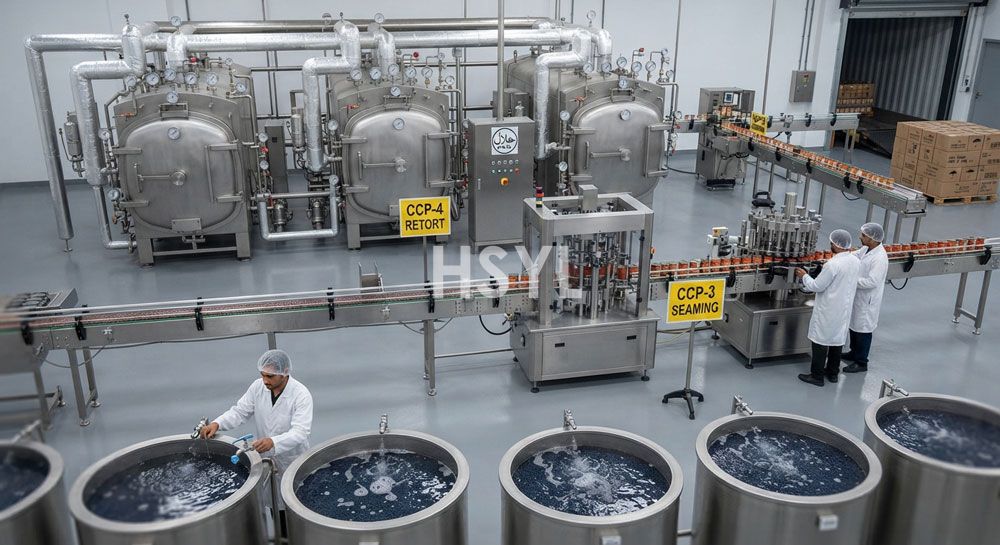
Direct AnswerBuilding a canned beans production line for export markets is a pro...
Read more →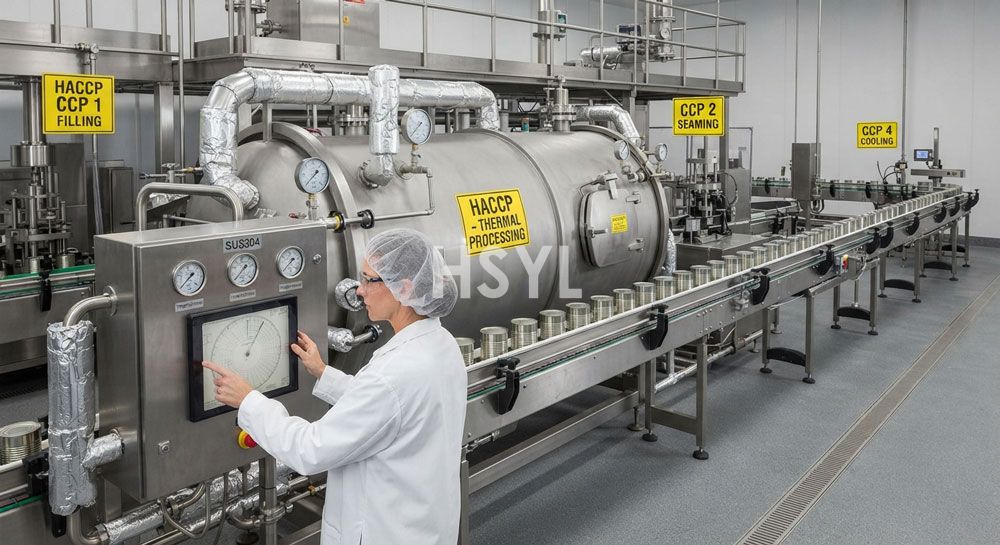
HACCP points in canned food production lines: the seven HACCP principles applied...
Read more →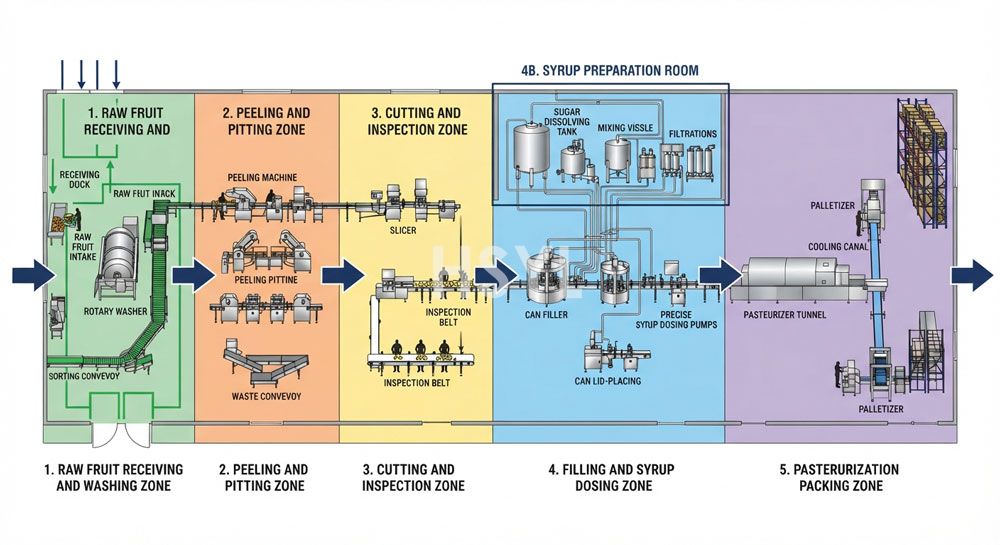
Complete canned fruit production line guide from raw fruit receiving through was...
Read more →Our professional team will provide you with the optimal food processing equipment solution. Contact us today for a detailed consultation.