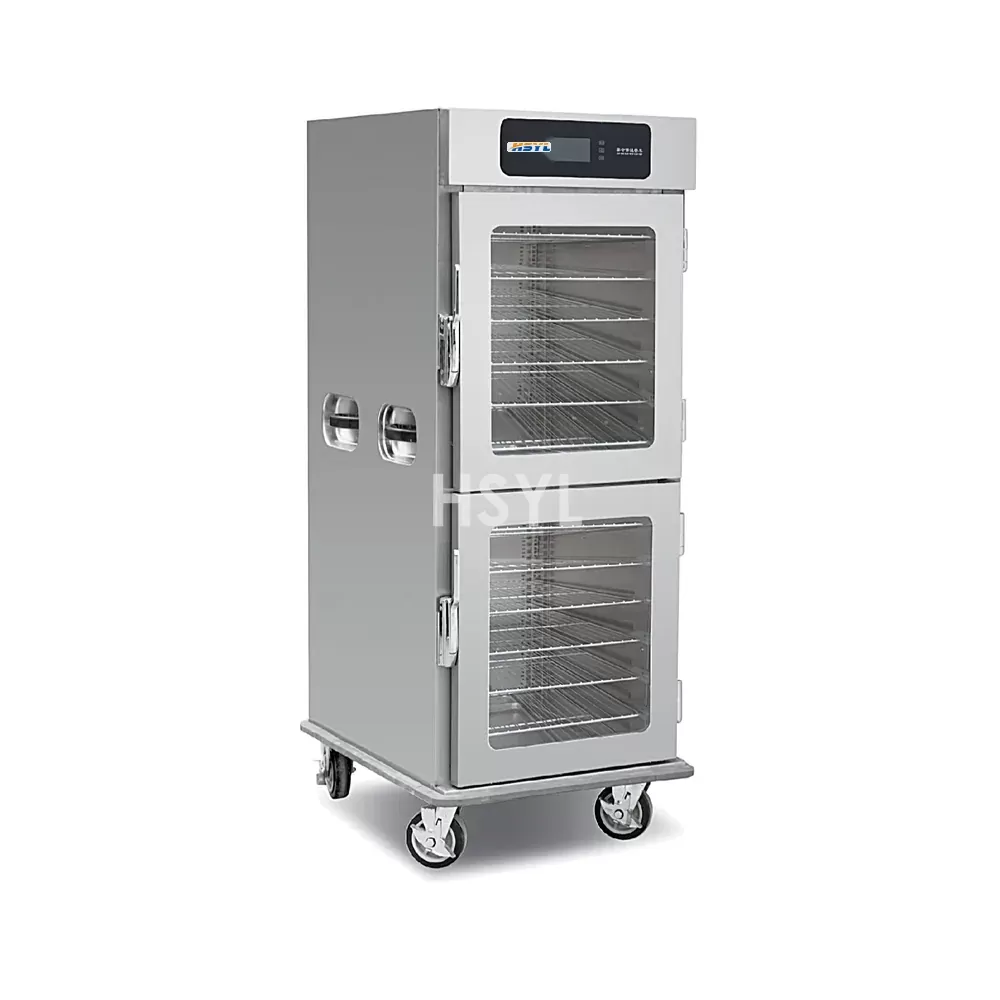
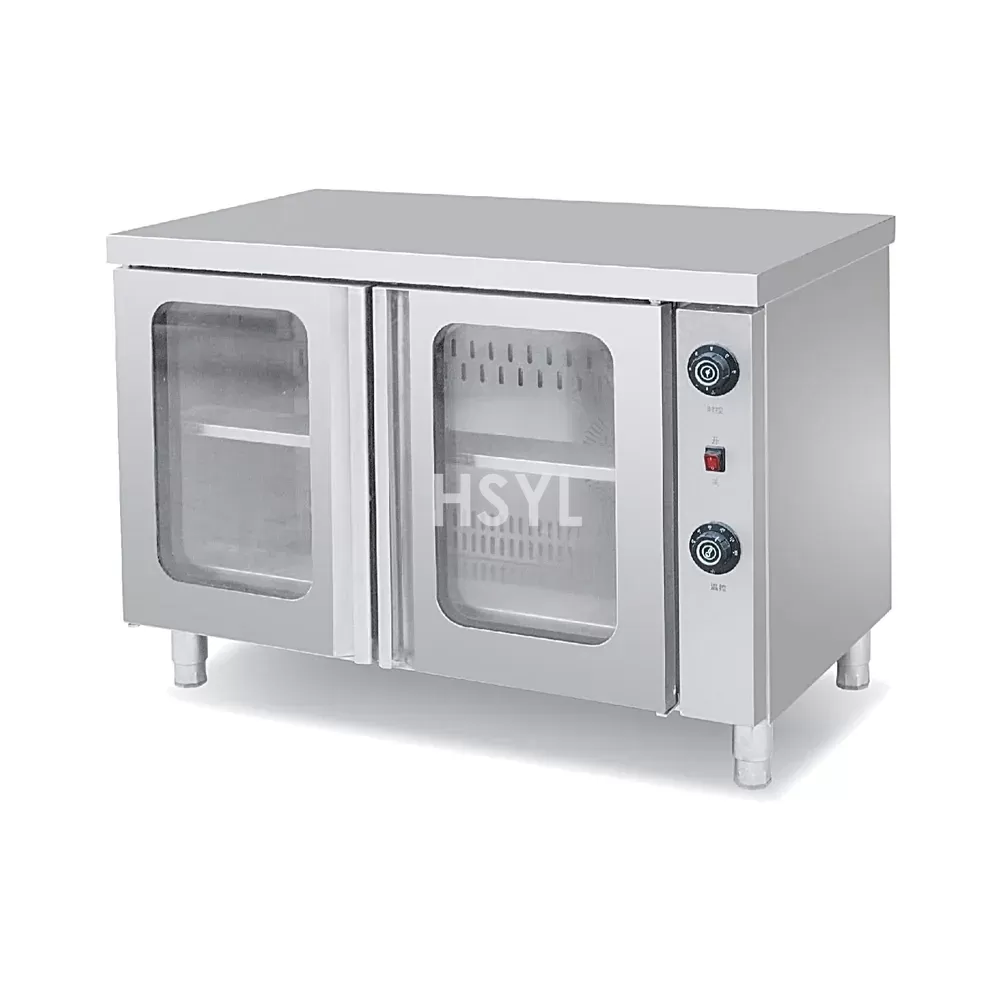
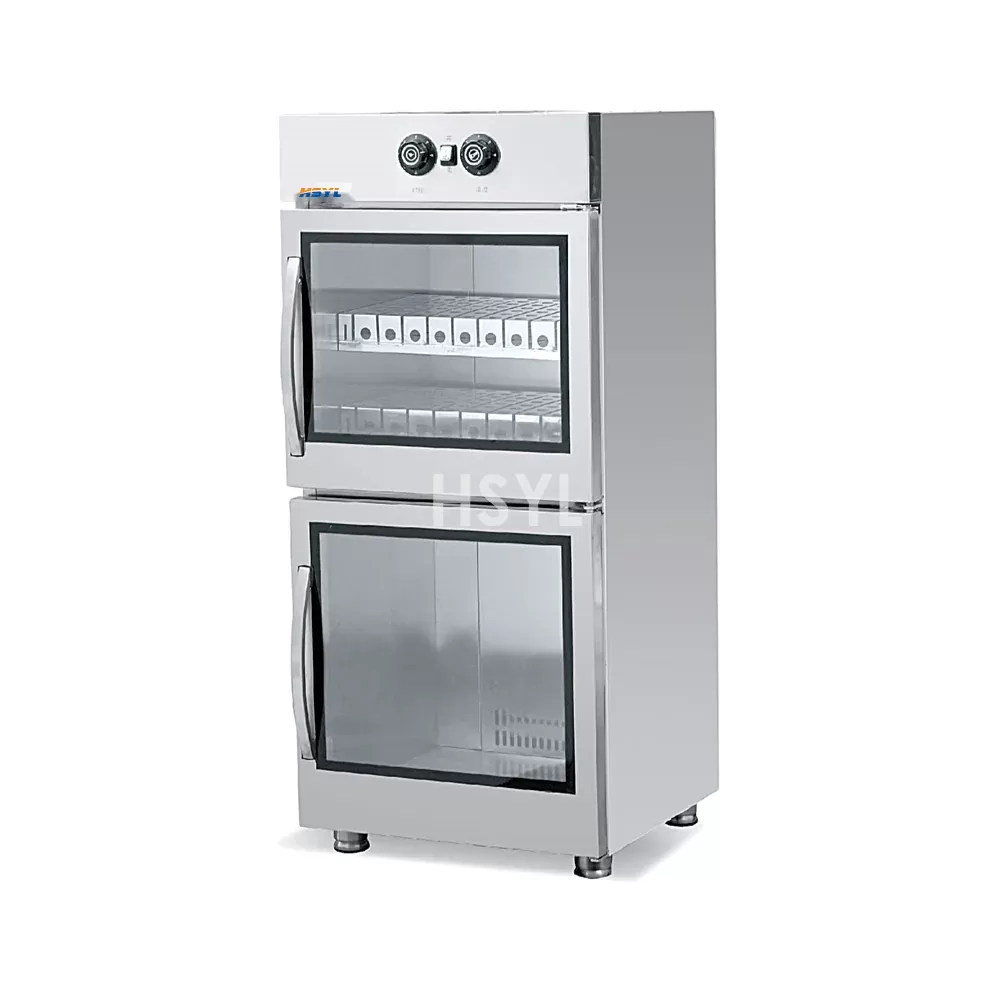
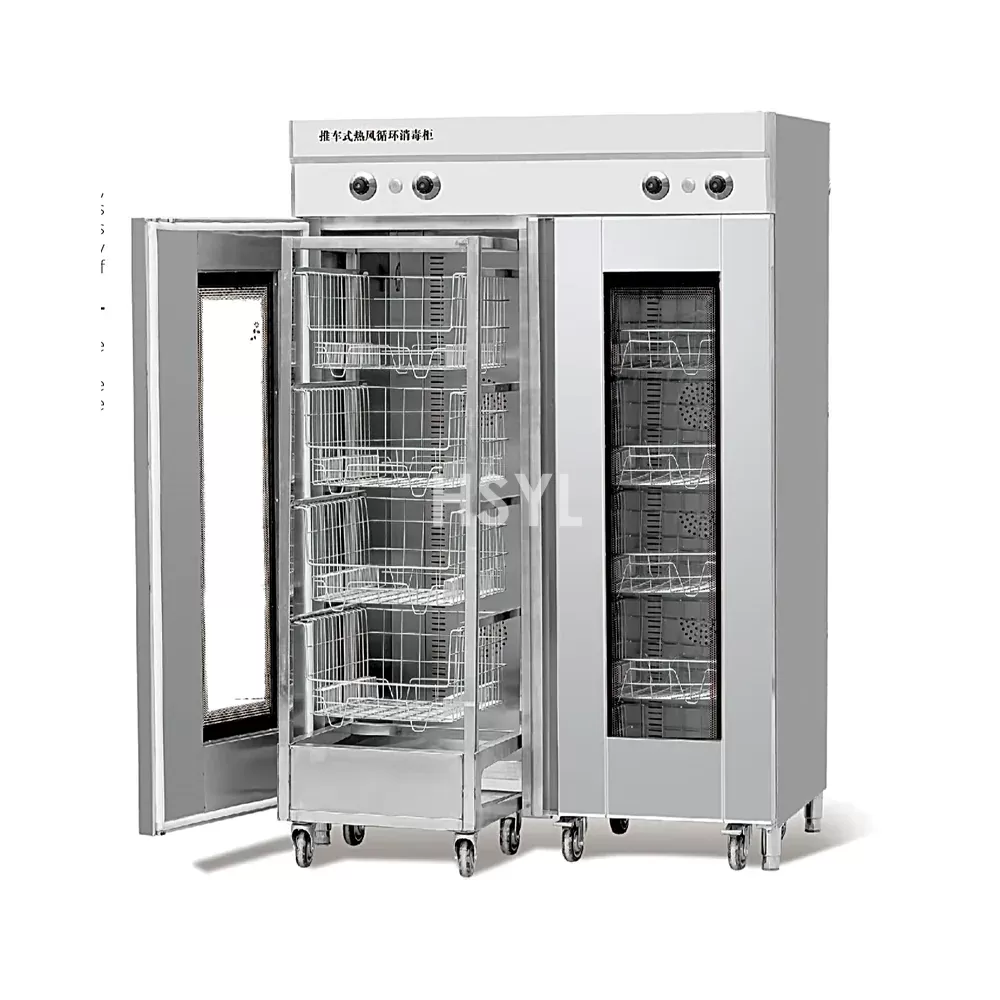
Solution Overview
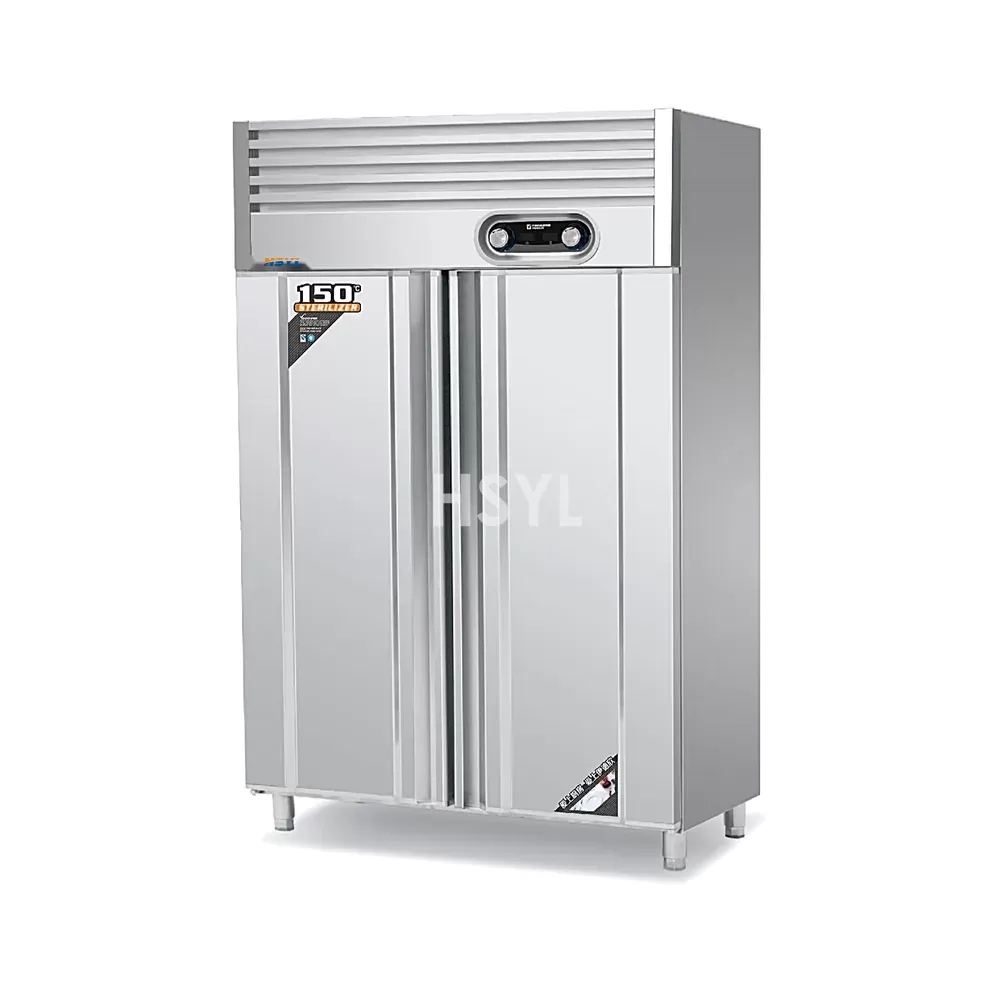
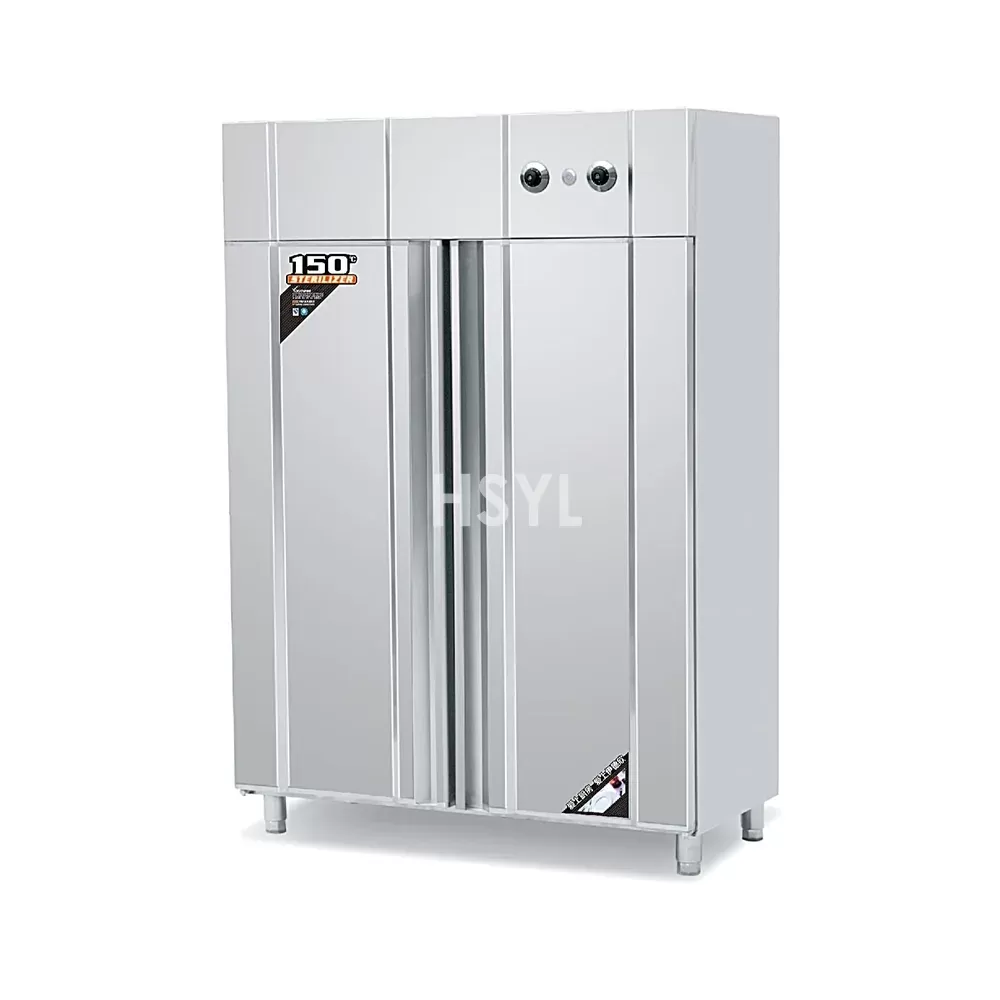
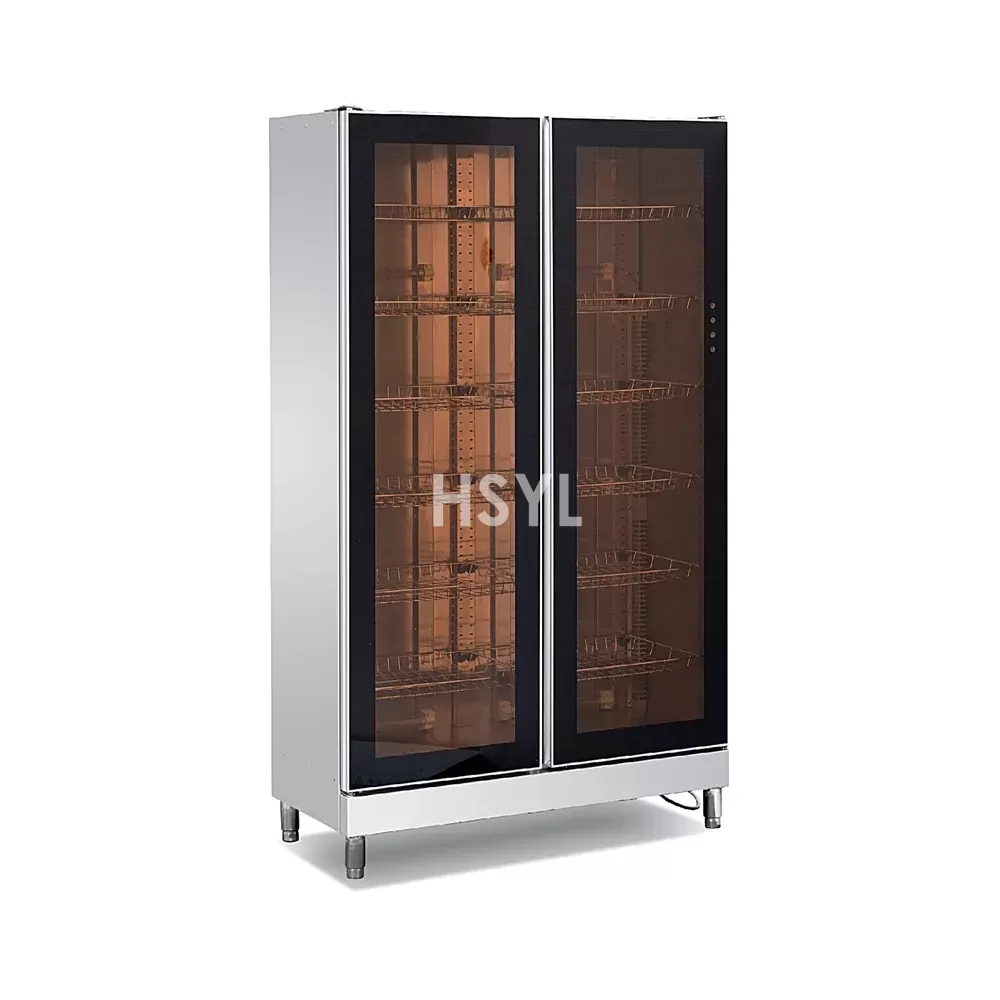
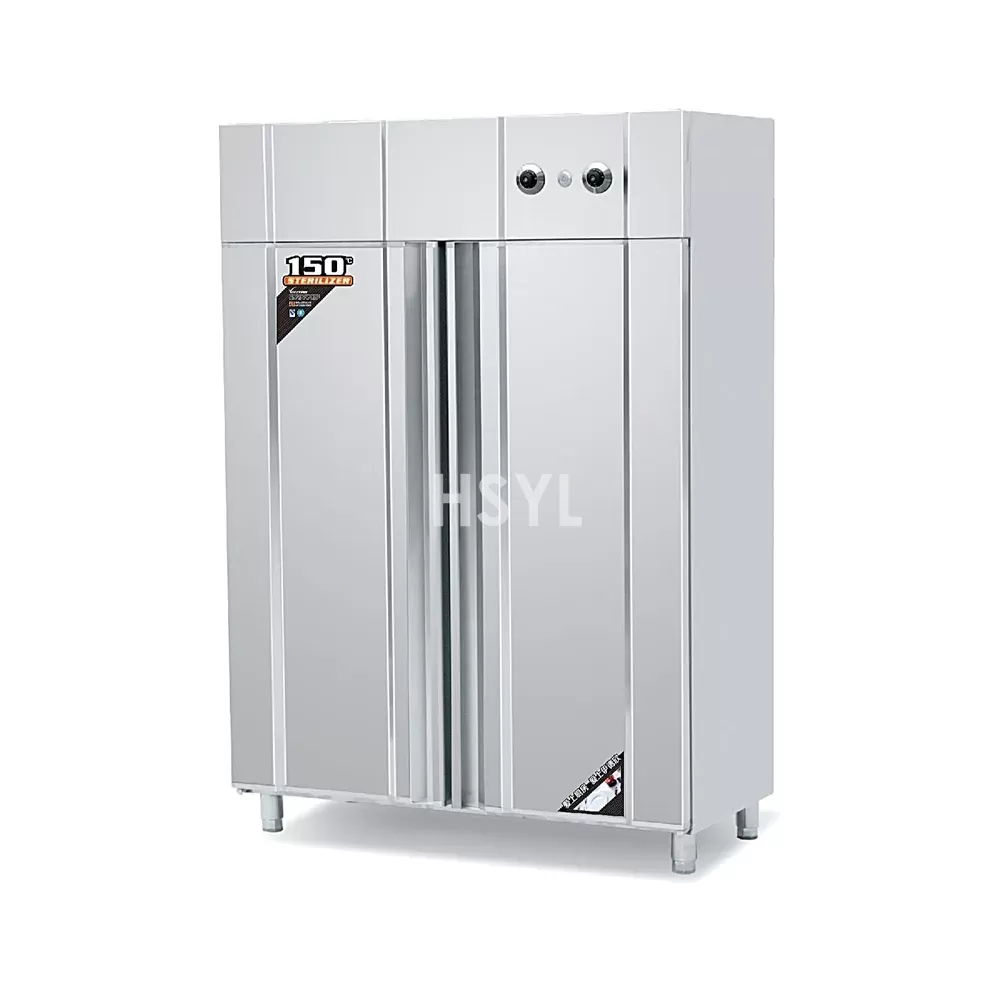
A commercial induction oven is a heating device that uses electromagnetic induction to generate heat directly in a ferromagnetic cooking vessel or in a susceptor plate, rather than transferring heat from a flame, electrical element, or forced-air cavity. The solution framework on this page covers selection logic, electrical capacity planning, cookware compatibility, application scenario decision, and a five-year total-cost-of-ownership model — engineered for buyers evaluating induction ovens for front-of-house display kitchens, gas-restricted sites, hotel buffets, school canteens, cloud kitchens, and commissary operations.
The induction oven is sometimes confused with the induction hob (a cooktop surface device). The distinction is operationally important: an induction hob transfers energy to a pan on a flat surface, while an induction oven transfers energy to cookware enclosed in a cavity — either by direct coupling with a ferromagnetic vessel, or by coupling with a susceptor plate that then radiates heat into the cavity. This distinction drives selection criteria, cookware compatibility, electrical planning, and kitchen integration. Buyers who do not separate the two device classes typically purchase an induction oven expecting the response speed of an induction hob, or purchase an induction hob expecting the closed-cavity thermal profile of an oven.
This page is a solution brief for kitchen planners, format development teams, engineering consultants, and procurement leads. For the broader commercial ovens solution — covering convection, combi, deck, spiral, tunnel, and rack ovens — see the commercial ovens solution page. For the general commercial cooking equipment scope — covering range, oven, fryer, steamer, griddle, kettle, braising pan, and pasta cooker — see the commercial kitchen cooking equipment page. For material-grade decisions on the cavity and shelving, see the stainless steel grade selection guide.
Applicable Raw Materials and Final Products
The induction oven is a category that spans several raw-material and finished-product combinations. The scope must be clearly bounded before selection:
- Raw materials in scope: ferromagnetic cookware containing food product — including stainless steel pots with magnetic bottoms, cast iron Dutch ovens, enameled cast iron, and carbon steel vessels. Food products inside the cookware range from soups and stocks to braised proteins, stews, rice, congee, baked casseroles, and steamed buns (where a susceptor plate or trivet is used).
- Finished products in scope: braised and stewed dishes, soups and stocks, rice and grain dishes, casserole and gratin dishes, slow-roasted proteins in enclosed vessels, and (with susceptor plate configurations) baked items that benefit from radiant cavity heat.
- Out of scope by default: non-ferromagnetic cookware (pure aluminum, copper, glass, ceramic), open-flame searing of proteins that requires a flame contact, dry-heat baking in aluminum sheet pans without a susceptor plate, and high-temperature pizza baking on non-magnetic stones. These processes require alternative equipment classes — see the commercial ovens solution for convection, combi, and deck alternatives.
- Boundary clarification required per project: whether the oven operates as a closed-cavity device (cookware inside the cavity, energy coupled to the cookware) or as a susceptor-plate device (energy coupled to a plate that radiates heat into the cavity, allowing non-magnetic cookware). The two configurations have different cookware compatibility, response speed, and electrical efficiency.
The cookware-material boundary is the most consequential decision in induction oven selection. A kitchen that procures an induction oven without confirming that its existing pot stock is ferromagnetic will be forced into either a cookware replacement program or a costly oven return — both scenarios observed repeatedly in field deployments.
Typical Processing Flow
The induction oven processing flow is shorter than a gas or convection oven because pre-heating is dramatically compressed, but the flow introduces two verification steps that gas and convection ovens do not require:
- Cookware compatibility verification — the vessel is confirmed ferromagnetic by a magnet test or by checking the manufacturer's induction-compatible mark before loading
- Product loading — the food product is loaded into the induction-compatible vessel, with the vessel placed on the induction coil position or on the susceptor plate depending on configuration
- Cavity closure and program selection — the oven cavity is closed (where applicable) and the heating program selected: temperature target, hold time, stirrer configuration (where applicable), and power level
- Inductive heating — the electromagnetic field is generated; the vessel (or susceptor plate) heats directly; the cavity temperature rises as a secondary effect of vessel radiation
- Stirring or agitation (where applicable) — built-in stirrers or external agitation systems maintain product consistency during long braise or stew cycles
- Temperature monitoring — vessel-core or product-core temperature is monitored via a probe; the field modulates to maintain the set point
- Hold and finish — the product is held at the target temperature for the validated hold time; browning or finishing occurs via radiant heat from the vessel or susceptor plate
- Service — the vessel is removed from the cavity using heat-resistant gloves; product is portioned or served directly from the vessel where appropriate
- End-of-day cleaning — the cavity interior, susceptor plate (where fitted), stirrer assembly, and probe are cleaned; the induction coil surface (where exposed) is wiped down without liquid pooling
The flow fails when cookware compatibility verification is skipped, or when liquid is allowed to pool near the induction coil or coil driver electronics. Both failures are specific to induction ovens and do not occur in gas or convection ovens.
Main Equipment in the Induction Oven Line
The induction oven is typically a single integrated unit, but a complete deployment includes peripheral equipment. The table below classifies each item as Standard (required in every induction oven deployment), Conditional (required for specific configurations or menu types), or Optional (adds capability but not required for basic operation):
| Process Stage | Recommended Equipment | Main Function | Capacity Basis | Standard / Conditional / Optional | Key Customization Input |
|---|
| Induction heating | Commercial induction oven — single-cavity or multi-cavity, closed or open configuration | Generates electromagnetic field; couples with ferromagnetic cookware or susceptor plate | Number of cavities; vessel volume; power range (kW) | Standard | Power (kW); cavity count; vessel diameter range; control type (manual / program) |
| Cookware | Induction-compatible pots, Dutch ovens, and braising pans in ferromagnetic stainless, cast iron, enameled cast iron, or carbon steel | Holds product; receives energy from induction field | Vessel volume (litres); menu item count | Standard | Material grade; bottom diameter; wall height; lid type |
| Stirring | Integrated stirrer with magnetic or mechanical drive | Maintains product consistency during long braise or stew cycles | Vessel volume; product viscosity | Conditional — required for stew and porridge applications | Stirrer type (magnetic / mechanical); speed range; paddle configuration |
| Temperature probe | Core temperature probe with induction-safe construction | Measures product core temperature; modulates field to maintain set point | Probe length; product depth | Standard | Probe length; insertion depth; compatibility with induction field |
| Exhaust / ventilation | Compact canopy hood or recirculating hood with grease and moisture filter | Removes steam and cooking vapour from the customer-facing or back-of-house zone | Vessel surface area; cooking load | Standard | Hood type (ducted / recirculating); filter type; make-up air |
| Cleaning and descaling | Induction coil cleaning kit and cavity descaling agent | Removes grease and mineral deposits from coil surface and cavity interior | Cooking load frequency; water hardness | Standard | Cleaning chemistry compatibility with coil surface; descaling frequency |
| Power conditioning | Voltage stabilizer or isolation transformer (where site power quality is poor) | Stabilizes input voltage to protect induction driver electronics | Connected load (kW); site voltage stability | Conditional — required where site power quality is poor | Capacity (kVA); input voltage range; isolation requirement |
| Surge protection | Dedicated surge protective device on the induction oven circuit | Protects induction driver electronics from transient overvoltage | Connected load (kW); site lightning exposure | Optional — recommended for high-value multi-cavity units | Surge current rating; response time; replacement indicator |
For complementary cooking equipment that supports the induction oven in a full cooking line — including ranges, fryers, steamers, griddles, kettles, and braising pans — see the commercial kitchen cooking equipment page and the broader cooking and frying equipment catalog.
Capacity and Automation Options
Induction oven capacity is governed by the connected power, the vessel volume, and the cycle time per batch. The capacity unit is litres per hour or batches per peak hour, not raw input tonnes per day. Key capacity and automation inputs:
- Connected power (kW): the maximum power drawn by the induction coil and driver. Higher power shortens heat-up time but requires matching electrical capacity. Typical commercial induction oven power ranges from a placeholder value to a higher value — exact values must be confirmed per model and per project, and must not be invented here.
- Cavity count: single-cavity units occupy less footprint and have lower connected load; multi-cavity units allow simultaneous cooking of different products at different temperatures but require higher connected load and dedicated circuits.
- Vessel volume (litres): the volume of the largest induction-compatible vessel the cavity can accept. Drives batch size and therefore batches per peak hour.
- Cycle time per batch: the sum of heat-up time, hold time, and service time. Induction ovens typically achieve shorter heat-up times than gas or convection ovens for ferromagnetic vessels, but the hold time is determined by the recipe, not by the heating method.
- Stirring automation: integrated stirrers reduce labour for stew, porridge, and congee applications. Manual stirring requires operator attention throughout the cycle.
- Temperature program memory: the number of recipe programs the oven can store. Higher program counts benefit operations with rotating menus or multi-product deployments.
- Bottleneck identification: the slowest step in the production flow. For induction ovens, the bottleneck is often the service step (vessel removal and product portioning) rather than the heating step, because heat-up is fast.
- Redundancy: whether the deployment has a backup cooking method for when the induction oven is in cleaning, descaling, or service cycle. Operations that depend on a single induction oven for a key menu item risk stockouts during downtime.
Where no confirmed capacity data is available for a specific deployment, the equipment specification must use placeholders, and the proposal must list the inputs required from the operator — connected power available, vessel volume required, batches per peak hour, and menu cycle time. Inventing capacity figures produces equipment that is either oversized (capital waste and electrical upgrade cost) or undersized (stockouts during peak).
Factory Layout and Material Flow
The induction oven layout is constrained by the electrical service entry, the ventilation path, and the customer-facing visibility requirement where applicable. Key layout principles:
- Electrical service proximity: the induction oven should be placed close to the electrical service entry to minimize long cable runs, voltage drop, and conduit cost. Long cable runs at high current increase both installation cost and ongoing I-squared-R losses.
- Ventilation path: the induction oven produces less waste heat than a gas oven of equivalent cooking capacity, but it still produces steam and cooking vapour. The hood must be sized for the vapour load, not for the (lower) heat load.
- Customer-facing visibility: in front-of-house display kitchens, the induction oven's clean appearance and absence of open flame are advantages; the layout should give customers an unobstructed view of the oven and the cooking vessel, with the operator positioned to face the customer.
- Cookware storage: induction-compatible cookware is typically heavier and more expensive than the equivalent gas-kitchen cookware; the layout must include dedicated storage that protects the vessels from dents and impacts that could compromise the ferromagnetic bottom.
- Cleaning access: the cavity interior, coil surface, and stirrer assembly require access for daily cleaning. A layout that places the oven flush against a wall with no service clearance will fail its first deep-clean cycle.
- Power conditioning location: where a voltage stabilizer or isolation transformer is required, it must be placed near the oven but in a ventilated, accessible location — not in a closed cabinet that will overheat.
- Hand-wash placement: as with any foodservice cooking zone, a dedicated hand-wash sink must be accessible from the induction oven position without crossing other zone boundaries. See the commercial kitchen clean and dirty flow design guide for the broader methodology.
- Building constraints: column positions, floor load capacity (induction ovens with cast-iron vessels can be heavy when loaded), and utility connection points. Equipment specified before a site survey will not fit the actual building.
For the broader zone-planning methodology that informs induction oven layout — hot zone, cold zone, and prep flow — see the commercial kitchen layout planning guide.
Utility Requirements
Induction oven utilities are dominated by the electrical service. The electrical requirement is the principal constraint and frequently forces a building-side electrical upgrade. Only confirmed values should appear in a final proposal; unconfirmed items must be listed as requiring calculation:
- Electricity: total connected load (kW), voltage, phase, and circuit count. Multi-cavity induction ovens may require a dedicated three-phase circuit at the building's higher voltage; single-cavity units may operate on single-phase supply. The exact requirement must be confirmed per model and per site — placeholder values are required until a site electrical survey is completed.
- Power quality: induction oven driver electronics are sensitive to voltage sags, swells, and transients. A site power quality assessment is required; where power quality is poor, a voltage stabilizer, isolation transformer, or surge protective device must be specified. See also the Power Conditioning and Surge Protection items in the equipment table above.
- Water: potable cold water to the hand-wash sink and to the cleaning location for cavity and coil cleaning. Induction ovens do not require water for operation (unlike steam boilers or combi ovens), but water is required for cleaning.
- Drainage: floor drain near the cleaning location for cavity and coil cleaning wastewater. No drain is required for oven operation itself.
- Ventilation: a hood sized for the steam and vapour load. The required airflow (cubic metres per hour) must be calculated from the vessel surface area and the cooking load. Because induction ovens produce less waste heat than gas ovens, the make-up air requirement may be lower — but the calculation must be performed, not assumed.
- Gas: not required. The induction oven is a gas-free cooking device; this is a principal advantage for gas-restricted sites and front-of-house display kitchens.
- Compressed air: not required for the oven itself; some peripheral equipment (e.g., pneumatic stirrers or automated lid lifts) may require it.
- Refrigeration: not applicable to the induction oven itself.
- Wastewater: wastewater from cavity and coil cleaning typically does not require a grease separator unless the oven is used for greasy cooking; the local code must be consulted.
- Backup power: optional. Induction ovens are sensitive to power interruption; a battery-backed UPS for the control electronics (not for the heating load) allows graceful shutdown and recipe preservation during outages.
Food Safety and Hygienic Design
The induction oven offers several food-safety advantages over gas and radiant ovens, but introduces one specific risk that requires explicit design mitigation:
- No open flame: the absence of open flame reduces fire risk in customer-facing zones and gas-restricted sites. There is no combustion product, so there is no risk of flue-gas contamination of food product.
- Precise temperature control: the field modulates rapidly in response to the core temperature probe, reducing the risk of over- or under-cooking. This is a food-safety advantage for products that require validated core temperatures.
- Cookware compatibility risk: the principal induction-specific risk. A non-ferromagnetic vessel placed in the cavity will not heat — the operator may serve undercooked product if the temperature probe is in the air gap rather than in the product. Cookware compatibility verification is a critical control point and must be enforced before every cycle.
- Probe placement risk: the core temperature probe must be in the product, not in the air gap or against the vessel wall. Probe placement verification is a critical control point.
- Cavity cleaning: the cavity interior, susceptor plate (where fitted), and stirrer assembly must be cleaned daily. The coil surface must be wiped down without liquid pooling — liquid near the coil driver electronics is a failure and safety risk.
- Cookware cleaning: induction-compatible cast iron and carbon steel vessels require seasoning maintenance; stainless vessels require descaling. Mixing cleaning chemistry across vessel materials causes cross-contamination of seasoning and corrosion.
- Material grade: the cavity interior and shelving must be in stainless steel grade appropriate to the application. For material-grade selection guidance, see the stainless steel grade selection guide.
- Hand-wash access: as with any cooking zone, a dedicated hand-wash sink at the boundary of the induction oven zone. A layout that places the only hand-wash sink away from the cooking position is a failure pattern.
Quality Control Points
Quality control on the induction oven focuses on a small number of measurable points:
- Cookware compatibility verification: a magnet test or manufacturer mark check before every cycle. Out-of-spec vessels are removed from the cavity before heating.
- Probe placement verification: the core temperature probe is confirmed to be in the product, not in the air gap or against the vessel wall, before the cycle starts.
- Cooking endpoint: product core temperature measured per the menu item's validated cooking process. The probe reading is the control record.
- Field modulation observation: the induction field modulates in response to the probe; sustained full-power operation after the set point is reached indicates a probe or driver fault and must be investigated.
- Cycle record: batch identification, cookware identification, set point, hold time, and core temperature recorded per batch. The cycle record drives both food-safety audit and equipment-failure forensics.
- Cleaning verification: end-of-day visual check on cavity interior, coil surface, and stirrer assembly; documented in the cleaning log.
Labor and Operating Considerations
Induction oven operating labour is typically lower than gas or convection oven operation for equivalent menu items, because the temperature control is automated and stirring (where fitted) is integrated. Operating considerations:
- Cookware handling: induction-compatible cast iron and carbon steel vessels are heavier than aluminum equivalents; staff must be trained in two-handed lifting and heat-resistant glove use.
- Cookware maintenance: cast iron and carbon steel vessels require seasoning maintenance; stainless vessels require descaling. Maintenance is a separate workstream from cooking.
- Cycle monitoring: although temperature control is automated, the operator must monitor probe placement, field modulation, and cycle completion. Automation does not eliminate the operator; it changes the operator's task.
- Cleaning specialization: cavity and coil cleaning requires induction-specific chemistry and technique; cleaning staff must be trained on the difference between coil-safe and coil-unsafe cleaners.
- Power interruption response: operators must know the recovery procedure for power interruption — including whether the recipe is preserved, whether the cycle resumes, and whether the product must be discarded.
- Single-person operation: in front-of-house display kitchens, the induction oven is typically operated by a single staff member who also serves customers; the layout must allow one person to reach the oven, the prep counter, the hand-wash sink, and the service position without crossing other zones.
Customization and Project Engineering
Induction oven customization is driven by the menu, the deployment format, and the building-side electrical capacity. Customization inputs:
- Menu and cookware profile: the validated menu drives vessel volume, stirring requirement, temperature program count, and probe configuration. A menu change without a cookware profile review produces a mismatch between capability and requirement.
- Deployment format: front-of-house display kitchen, back-of-house production kitchen, hotel buffet station, school canteen, cloud kitchen, or commissary operation. Each format has different visibility, ventilation, and electrical requirements.
- Building electrical capacity: the existing electrical service voltage, phase, available capacity, and power quality. Induction ovens specified beyond the building capacity require utility upgrade, which adds project cost and time. See the application scenario decision tree below.
- Ventilation and make-up air: the existing ventilation capacity must match the vapour load. Although induction ovens produce less waste heat than gas ovens, the steam and vapour load still requires extraction.
- Regulatory context: local electrical code (conductor sizing, breaker selection, grounding), food safety regulations, and front-of-house display kitchen requirements (where applicable).
- Climate and environment: deployment in tropical or high-ambient environments may require different cavity ventilation or cooling for the induction driver electronics.
- Brand and visibility requirements: in front-of-house deployments, the oven exterior typically requires brand-compatible finish; the vessel exteriors may be customer-visible and require a uniform aesthetic.
Project Implementation Stages
An induction oven project follows a defined sequence. Specific durations are not committed without confirmed project data; the stages are listed in order:
- Requirement confirmation: menu scope, cookware profile, deployment format, sales volume target, regulatory context, and brand requirements confirmed with the operator.
- Process design: the validated workflow from cookware verification to service is mapped to the menu and the deployment format.
- Preliminary equipment list: oven model, cavity count, power range, stirrer configuration, probe configuration, peripheral equipment specified.
- Layout and utility calculation: oven placed in the deployment floor plan; electrical load calculated and matched to building capacity; ventilation load calculated; power quality assessment completed.
- Technical clarification: equipment specifications, utility connections, and installation requirements confirmed with the operator and the contractor.
- Manufacturing: equipment manufactured or sourced to the confirmed specification.
- FAT (Factory Acceptance Test): equipment tested at the manufacturer before shipment; functional and safety checks completed, including a cookware compatibility test with the operator's actual vessel stock.
- Delivery: equipment delivered to the site with installation sequencing planned.
- Installation and commissioning: equipment installed, utilities connected, power quality verified, and commissioning completed — including a core-temperature validation cycle for each menu item.
- Training and acceptance: operators trained on cookware verification, probe placement, cycle monitoring, cleaning, and power interruption response; site acceptance signed off by the operator.
Project cycle commitments are not made without confirmed project data. The cookware compatibility FAT step is specific to induction oven projects and is not optional — sites that skip this step typically discover cookware incompatibility during commissioning, when correction is most expensive.
Information Needed for a Technical Proposal
To produce a technical proposal for an induction oven deployment, the following information is required from the operator. Where information is not available, the proposal will use placeholders and list the open items:
- Menu and product list: the validated menu, including braised, stewed, soup, rice, and baked items. Cookware profile per item (vessel material, volume, bottom diameter). Daily and peak-hour volume per item.
- Deployment format: front-of-house display kitchen, back-of-house production kitchen, hotel buffet station, school canteen, cloud kitchen, or commissary operation. Floor plan and customer flow (for front-of-house).
- Sales volume target: peak-hour batch count, daily batch count, and menu SKU count.
- Building electrical capacity: electrical service (voltage, phase, available capacity, power quality assessment), ventilation capacity, and water and drainage availability.
- Existing cookware: inventory of the operator's existing pot stock with material grade and bottom-diameter measurements, for compatibility assessment. If the existing stock is non-ferromagnetic, a cookware replacement program is required and must be scoped in the proposal.
- Climate and environment: deployment location ambient temperature and humidity design point.
- Regulatory context: applicable electrical code, food safety regulations, and front-of-house display kitchen requirements (where applicable).
- Brand requirements: exterior finish, brand colour requirements, and any chain-standard equipment specification.
- Project timeline: target launch date and any fixed milestones.
Discuss the Project
If you are planning an induction oven deployment — a front-of-house display kitchen, a gas-restricted site, a hotel buffet refresh, a school canteen standardization, or a cloud kitchen rollout — the engineering team can review your menu, cookware profile, and deployment format and produce a specification matched to your actual operating conditions, including electrical capacity and power quality assessment. Contact the engineering team with your menu and deployment format to start the technical proposal process.