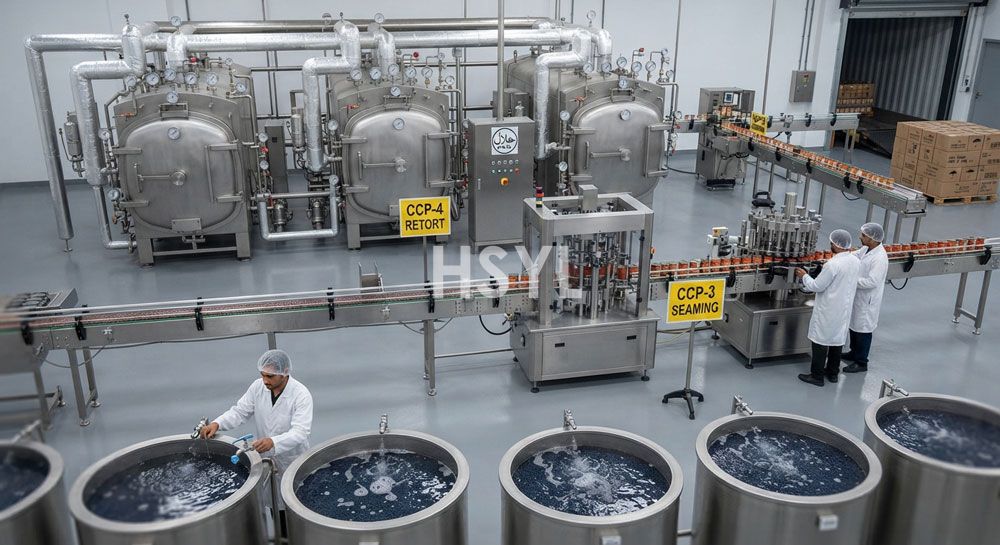
How to Build a Canned Beans Production Line for Export Markets
Direct AnswerBuilding a canned beans production line for export markets is a pro...
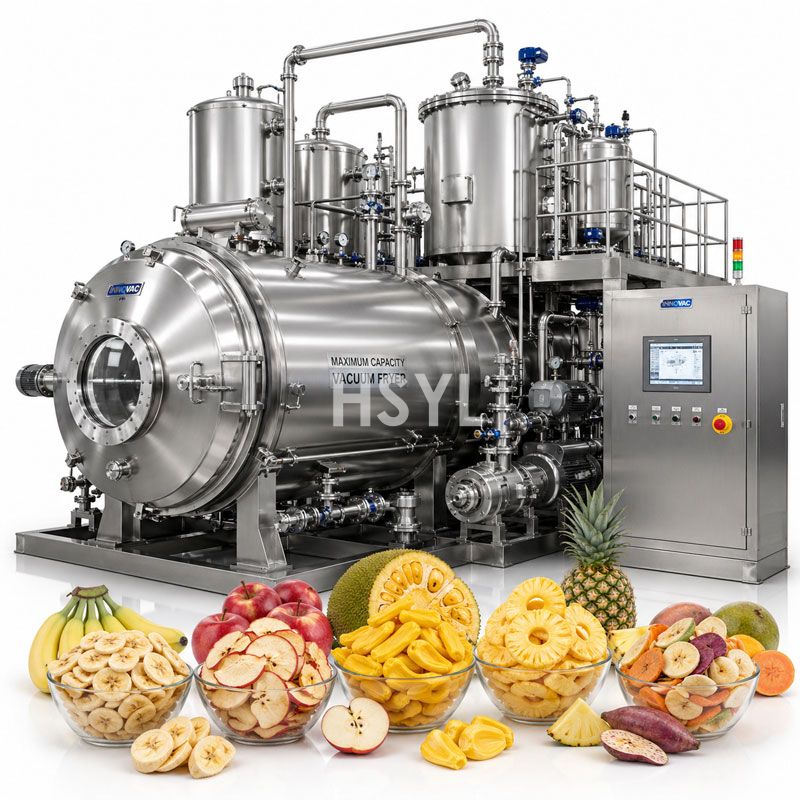
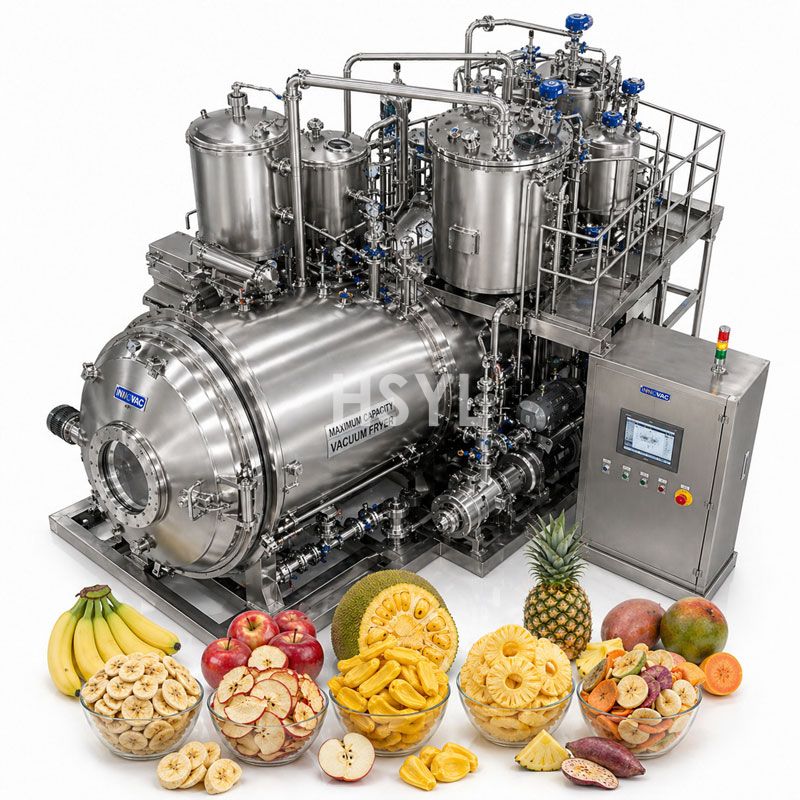
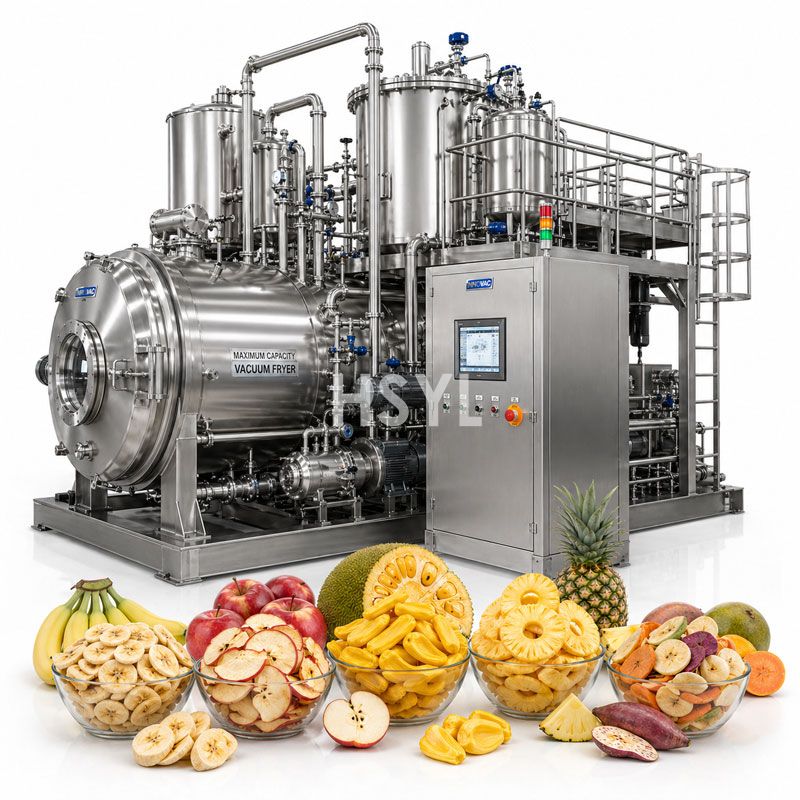
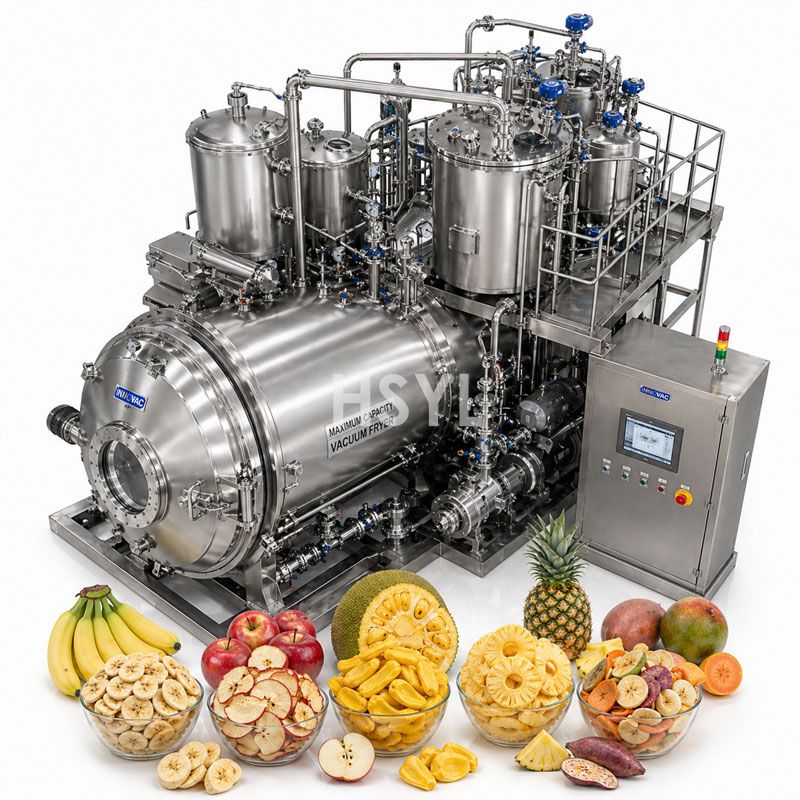
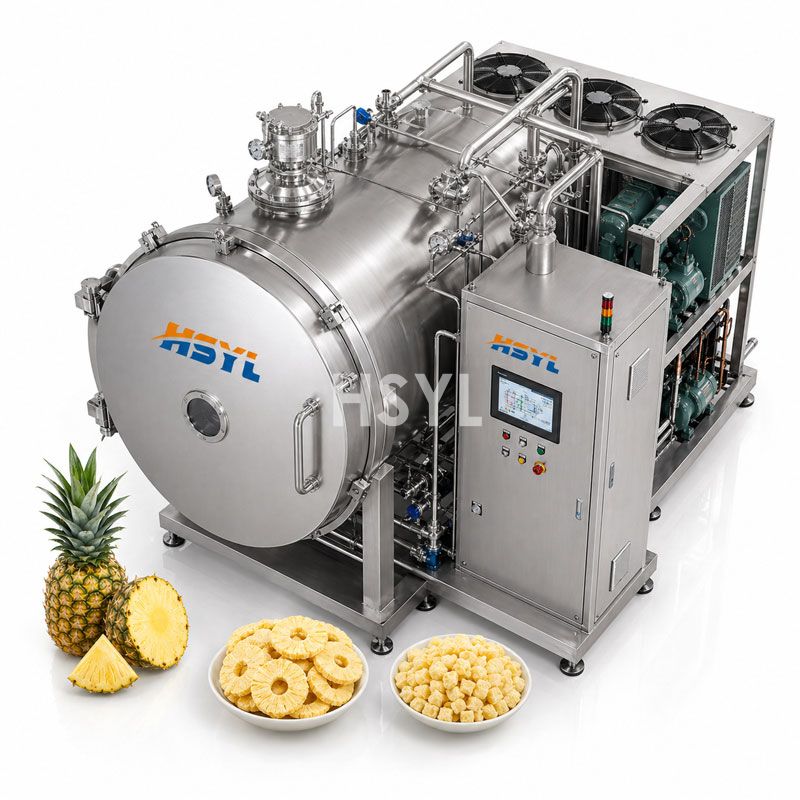
Produce vibrant, sweet fruit crisps without caramelization. Our commercial fruit chips vacuum fryer preserves natural fructose and volatile flavor compounds accurately.
The global demand for clean-label, premium fruit snacks sets strict quality benchmarks for commercial dehydrators. Traditional processing exposes heat-sensitive fruits to aggressive temperatures and atmospheric oxygen, inevitably scorching the natural fructose and flashing off volatile organic flavor compounds. Designed specifically for the biophysics of sweet and tart fruits, our vacuum frying appliance operates in a severe low-pressure environment. By removing the oxygen and artificially lowering the boiling point of moisture, the thermal degradation of delicate vitamins (such as Vitamin C) and the loss of signature sweet/sour profiles are remarkably mitigated.
Plant operators handling high-fructose fruits—like mangoes, strawberries, and peaches—struggle primarily with the Maillard reaction. If the processing temperature breaches 110°C, these sugars rapidly caramelize, leaving the fruit chips bitter, dark, and visually unappealing to buyers. To guarantee absolute color and flavor fidelity, this machinery tightly governors the thermal loop between 80°C and 95°C.
Because the heat acts upon the fruit under a vacuum depth of -0.098 MPa, the water vaporizes gently from the inside out. This specialized thermodynamic approach constructs a microporous, crunchy texture without the collapse or shrinkage typically associated with severe heat shock, rendering the final product visually identical to the fresh slice.
Unlike starchy tubers, tropical and berry fruits contain aggressive organic acids (citric and malic acids) that actively corrode cheap metal alloys during long-term exposure. As moisture evaporates and concentrates these acids in the vapor phase, the interior of the machine requires extreme metallurgical resilience. We manufacture the entire wetted zone—including the frying basket, vapor extraction piping, and the condenser shell—using passivated SUS316L and high-grade SUS304 stainless steel. This prevents microscopic pitting and ensures that metallic off-flavors never contaminate the pure taste of your fruit crisps over years of continuous factory operation.
| Architecture Series | Fresh Fruit Capacity (kg) | Anti-Corrosion Material Standard | Fructose Caramelization Prevention (°C) | Heater Heat Exchange Rate (kcal) | Moisture Extraction Drive (MPa) | Installed Power Base (KW) | Shipping Dimensions (mm) |
|---|---|---|---|---|---|---|---|
| VF-FC150 | 150 kg | SUS316L Wetted Zones | Operates < 95°C | 120,000 kcal/h | -0.095 to -0.098 | 18 KW | 3100 * 2300 * 2600 |
| VF-FC300 | 300 kg | SUS316L Wetted Zones | Operates < 95°C | 250,000 kcal/h | -0.095 to -0.098 | 28 KW | 4000 * 2800 * 3000 |
When investing in capital dehydration equipment, making the right engineering choice is paramount for retail success. Reading through a technical Vacuum Low-Temp Frying vs Atmospheric Engineering Guide instantly reveals the limitations of open-air fryers. Atmospheric fryers oxidize cooking oil at terrifying speeds, resulting in rancid flavors and high operational costs due to constant oil replacement. Conversely, our sealed vacuum system prevents oxygen from interacting with the hot triglycerides, extending oil longevity profoundly while preventing dark, oily final chips through rapid, under-vacuum centrifugal extraction.
Entering the premium fruit crisp market demands reliable performance data. We offer industrial buyers complete transparency and tailored B2B procurement support.
Reach out to our equipment sales engineers today. Forward your specific fruit varieties and hourly tonnage goals, and we will promptly draft an exact Return on Investment (ROI) layout alongside a competitive ex-works machinery quotation.


Direct AnswerBuilding a canned beans production line for export markets is a pro...
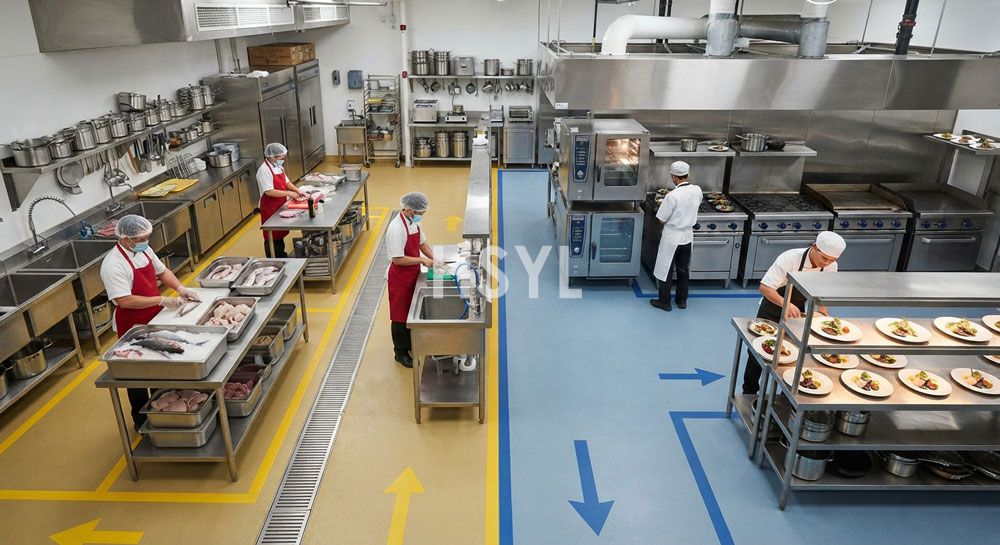
Why commercial kitchens need separate clean and dirty flow design: food safety r...
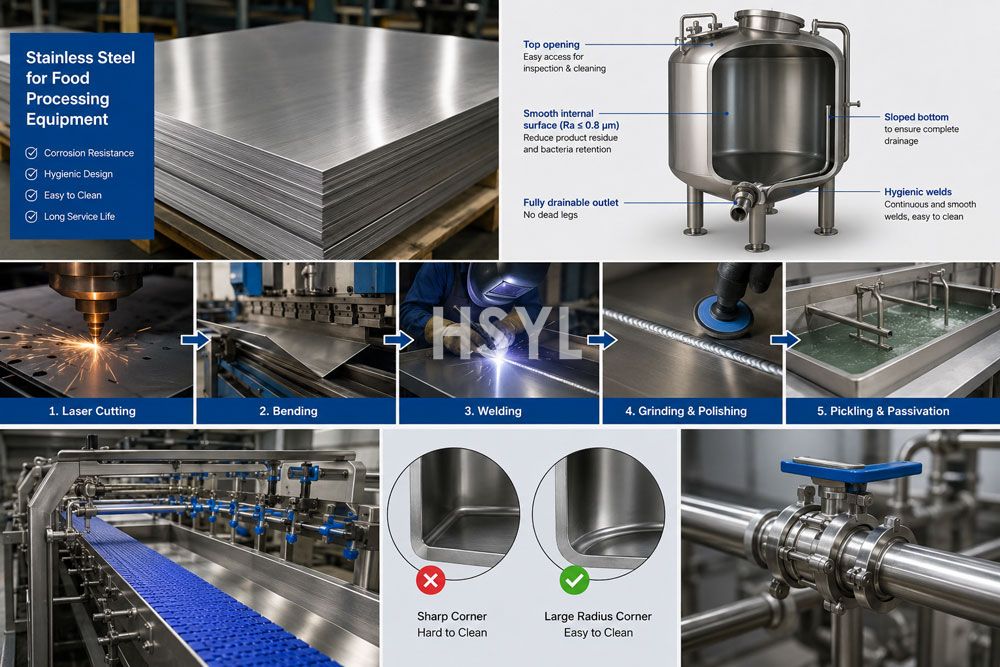
Stainless steel is the standard material for industrial food processing equipmen...
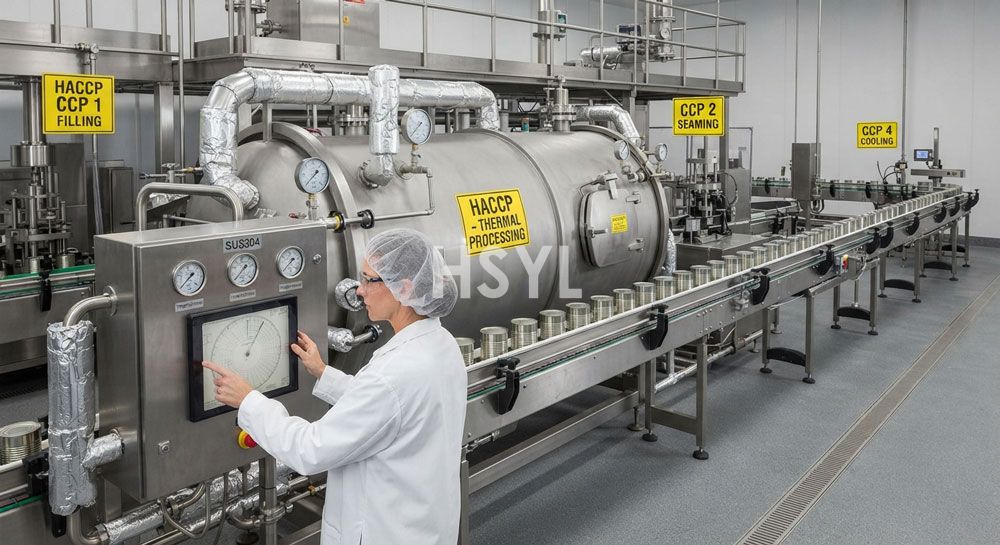
HACCP points in canned food production lines: the seven HACCP principles applied...