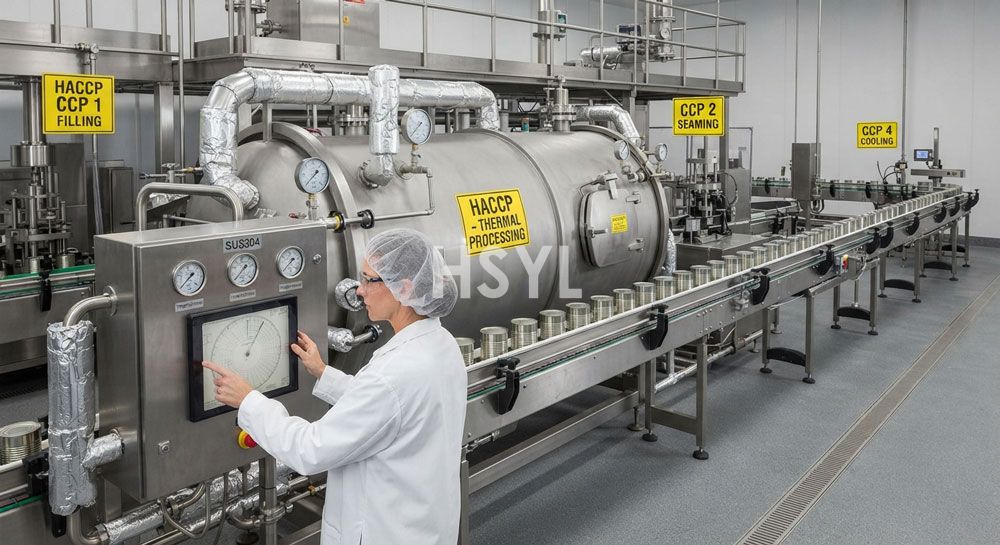
HACCP Points in Canned Food Production Lines: CCPs, Critical Limits and Verification
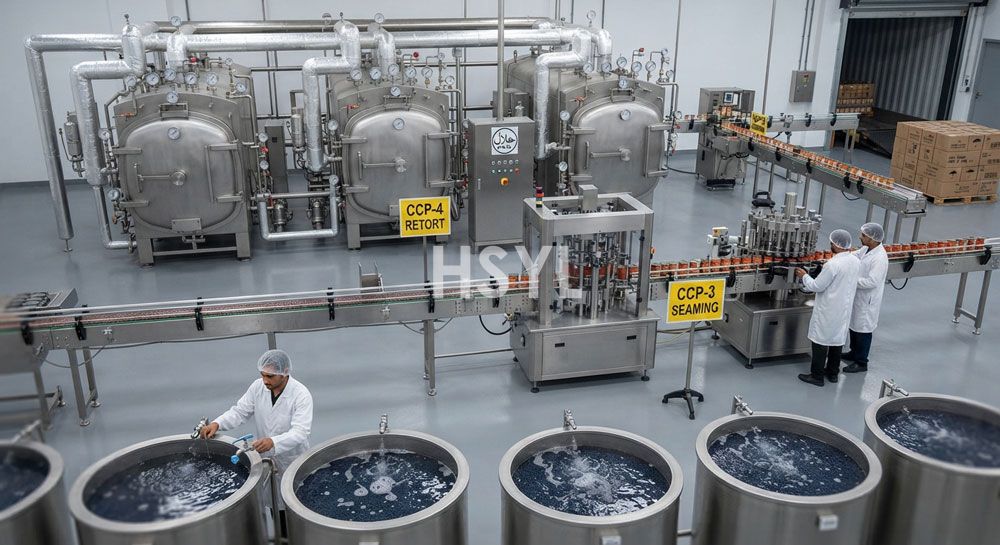
HACCP points in canned food production lines: the seven HACCP principles applied...
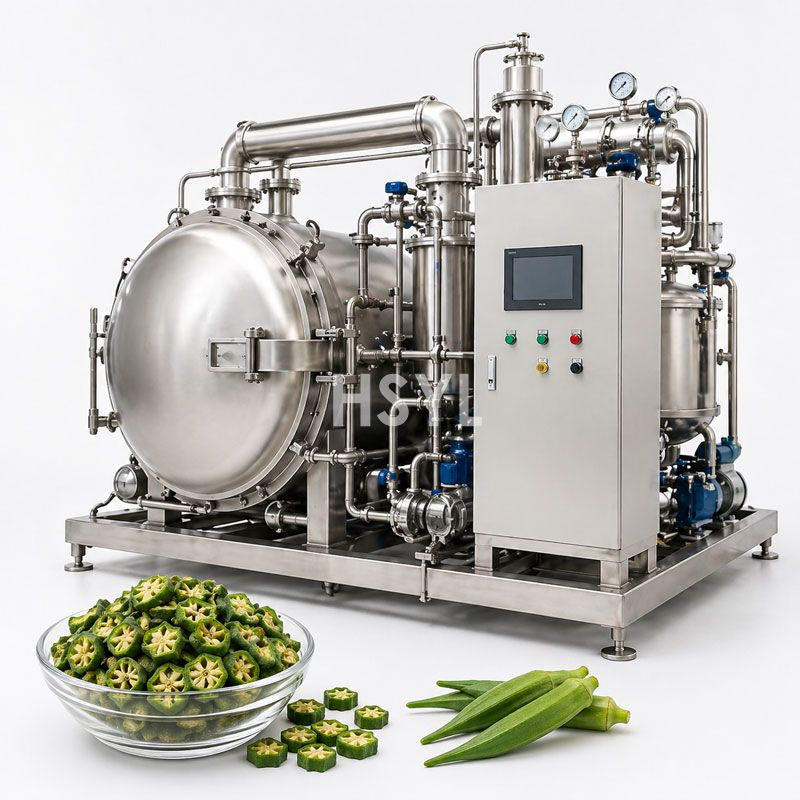
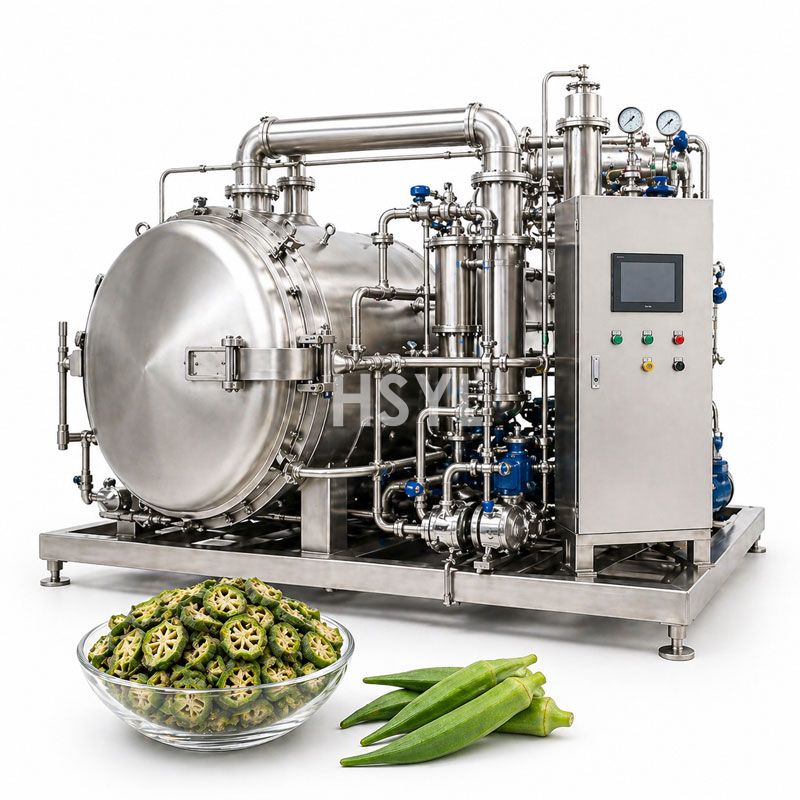
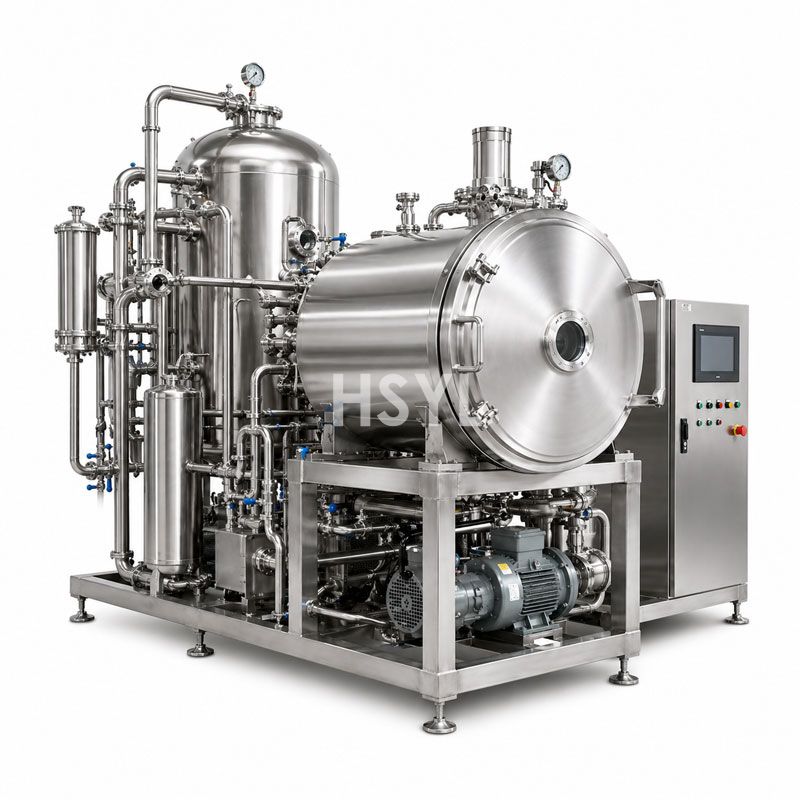
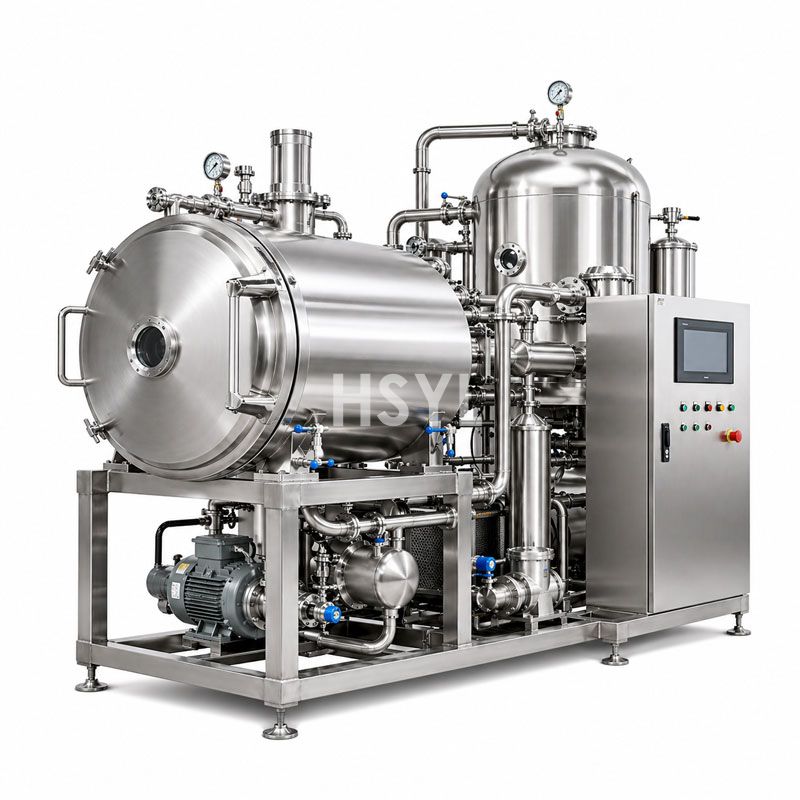
Process whole okra pods with zero bursting and vibrant green retention. Our industrial okra vacuum fryer is engineered to handle mucilage and maximize crispness.
As consumer preference accelerates toward nutrient-dense vegetable snacks, crisp, whole okra pods stand out as a highly profitable product line for commercial food factories. However, okra's biological makeup—characterized by an abundance of glycoprotein mucilage (slime) and a hollow, seeded core—creates formidable barriers for standard dehydration methods. Our Industrial Okra Vacuum Fryer manipulates thermodynamic principles to evaporate inner moisture evenly without rupturing the delicate pod wall. By keeping the processing temperature strictly between 85°C and 95°C under intense negative pressure, the pod retains its characteristic vibrant green chlorophyll and essential vitamins while achieving a uniform, brittle crunch.
| System Series | Max Raw Input (kg/batch) | Acceptable Pod Length (mm) | Oil Filtration Mesh (microns) | Operating Pressure (MPa) | Heat Exchanger Capacity | Structural Integrity Rate (%) | Dimensions (mm) |
|---|---|---|---|---|---|---|---|
| VF-OK100 | 100 kg | 30 - 120 mm | 40 - 80 Microns | -0.096 to -0.098 | Thermal Oil / Steam | > 97% | 2800 * 2200 * 2500 |
| VF-OK250 | 250 kg | 30 - 120 mm | 40 - 80 Microns | -0.096 to -0.098 | Thermal Oil / Steam | > 97% | 3800 * 2500 * 2800 |
Processing okra usually results in sticky buildup, burnt particles, and blackened oil. The inherent mucilage leaches out during heating, aggressively fouling standard heating elements. To counteract this, our engineering team developed a specialized isolation loop. As the vacuum pressure forces water to flash into vapor, the liberated slime particles are continuously drawn away from the primary heating zone. Instead of carbonizing on the tube heat exchanger, these suspended solids are routed immediately into a high-density, multi-stage bypass filter.
This strict contamination control extends the lifecycle of your frying medium and ensures successive batches of okra remain visually immaculate without bitter, caramelized specks attached to the green pods.
Extracting moisture from a hollow structure like okra without collapsing the pod requires meticulous heat transfer. The system utilizes forced-circulation thermal dynamics rather than passive heating. Oil is pumped at high velocity through the main chamber, penetrating the microscopic spaces between the okra pods loaded in the basket. This aggressive yet uniform fluid flow ensures the internal vapor pressure pushes outward, acting as an invisible structural support that prevents the pod walls from imploding.
When comparing facility layouts, plant managers often evaluate VF Vacuum Frying vs FD Freeze Drying. While freeze-drying produces extreme porosity without oil, vacuum frying delivers a commercially distinct crunch and fat-infused mouthfeel in a fraction of the processing time, significantly lowering the energy expenditure per kilogram of finished okra.
Given the gummy nature of semi-processed okra, washdown operations have traditionally caused severe downtime in vegetable crisp plants. This machine is constructed entirely of food-grade SUS304 and SUS316L (on critical wetted components). The chamber design eliminates internal dead corners where biological hazards accumulate. We integrate high-pressure Clean-In-Place (CIP) nozzles connected to your facility's central water and detergent supply. Furthermore, streamlining your turnaround time means focusing on upstream logistics as well; coupling this fryer with a heavy-duty Automatic Crate Washer Machine guarantees that the raw material transfer containers remain sanitized, preventing cross-contamination in high-volume, continuous shift operations.
Procuring industrial dehydration configurations demands clear technical dialogue and precise timeline management.
Planning a facility expansion or looking to add high-margin vegetable snacks to your portfolio? Submit your daily ton capacity requirements to our technical sales team for comprehensive footprint schematics and targeted equipment quotations.


HACCP points in canned food production lines: the seven HACCP principles applied...
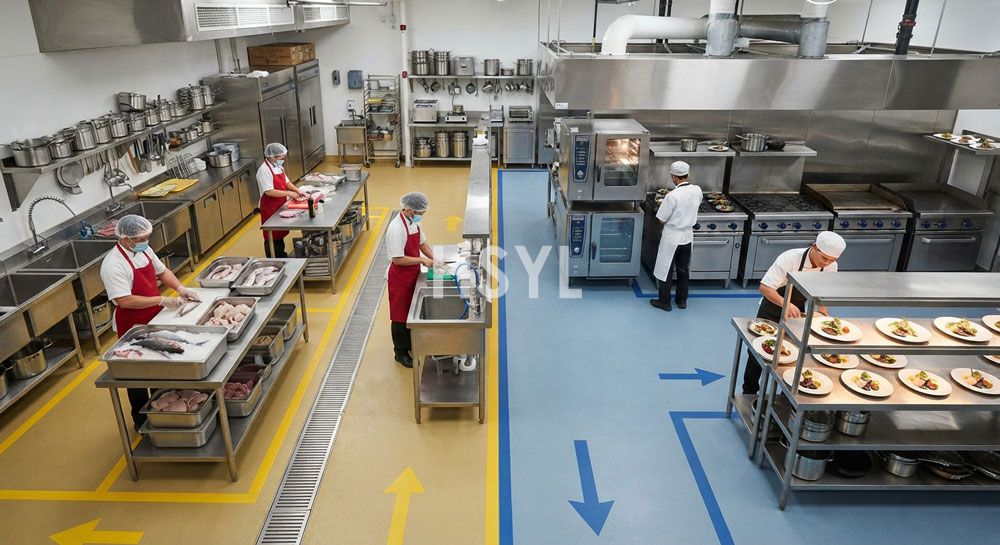
Why commercial kitchens need separate clean and dirty flow design: food safety r...
Direct AnswerBuilding a canned beans production line for export markets is a pro...
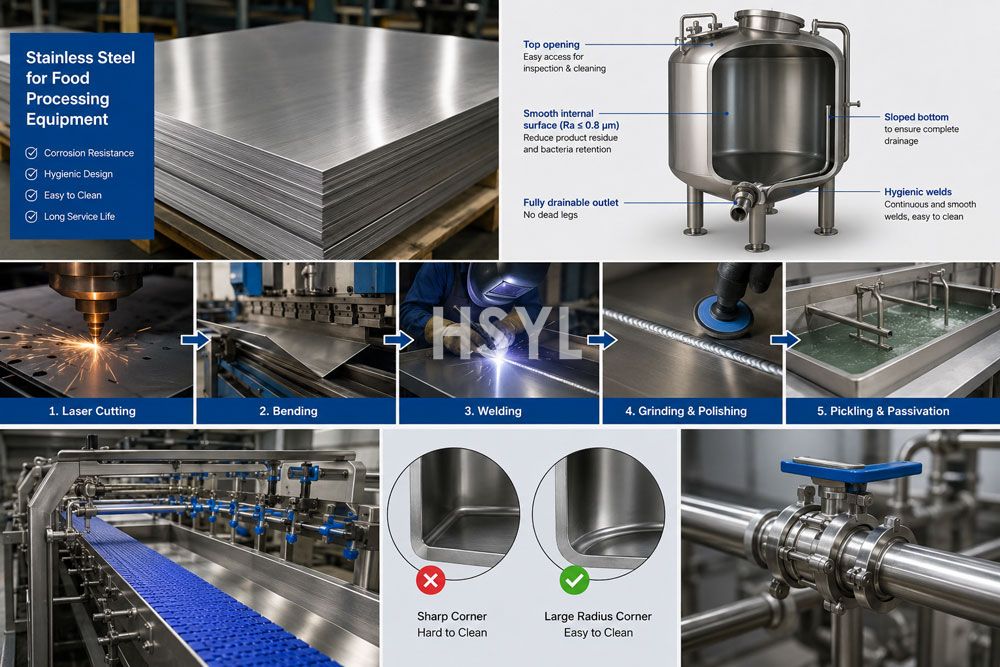
Stainless steel is the standard material for industrial food processing equipmen...