

Market & Trends
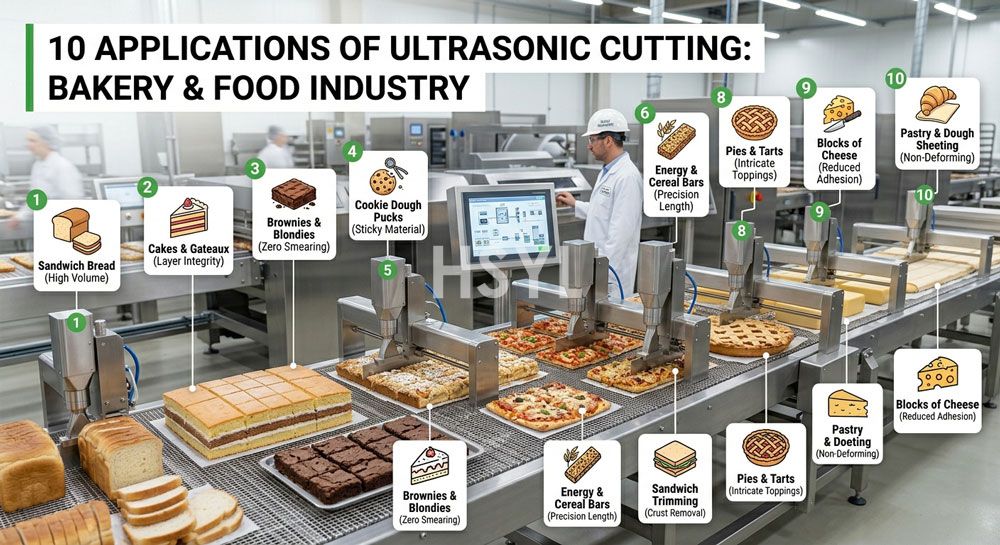
10 Applications of Ultrasonic Cutting in Food Industry
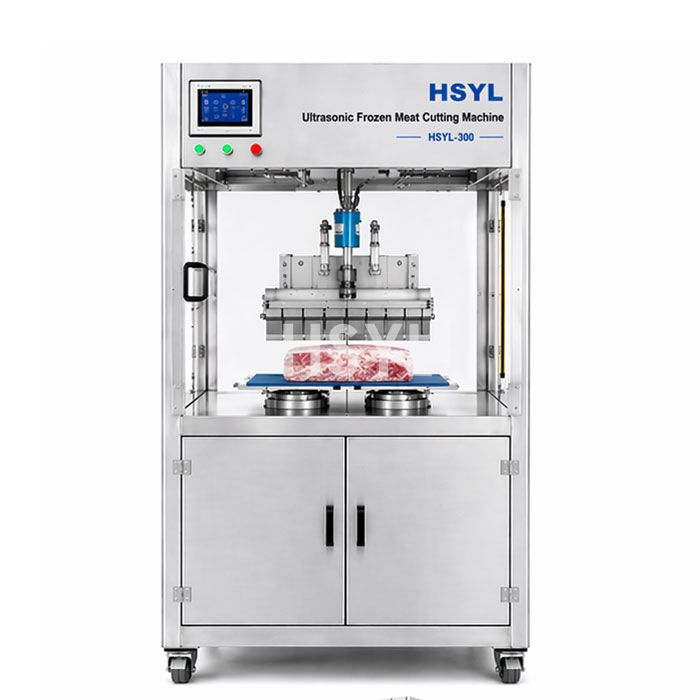
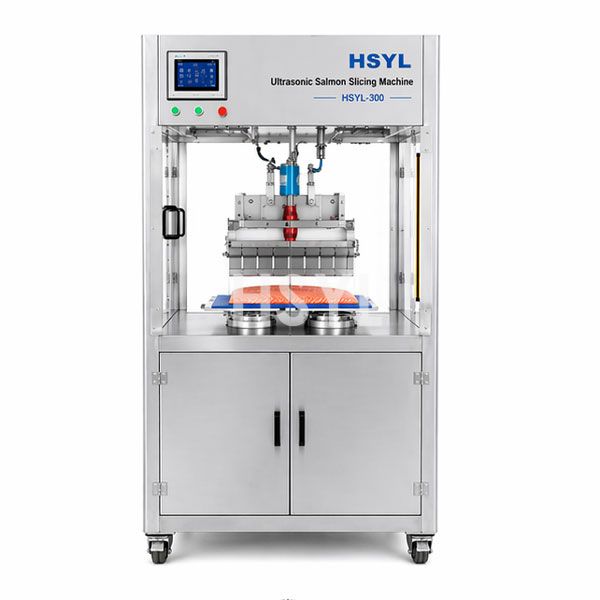
10 food applications of ultrasonic cutting: cheesecake, frozen meat, salmon, ene...
Read more →End-to-end design, manufacturing, and delivery—empowering you to achieve efficient, compliant, and highly profitable production in any global market.
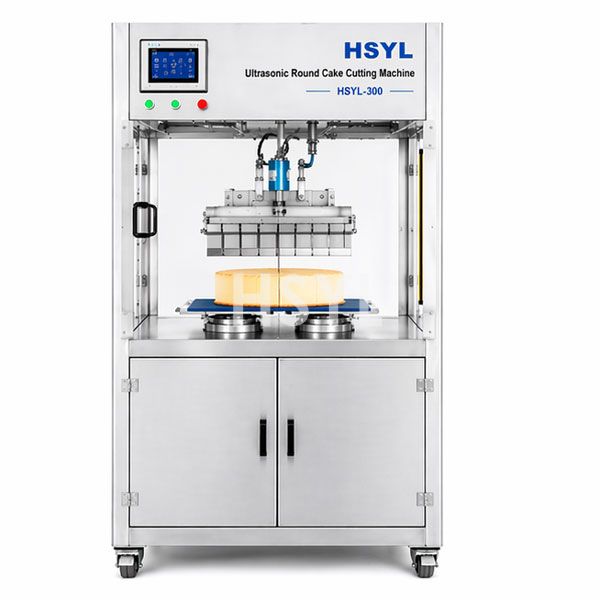
An ultrasonic frozen products cutting machine portions suitable frozen cakes, dessert slabs and confectionery into slices, bars or blocks. Equipment selection starts with the product recipe, dimensions and condition at cutting.
High-frequency blade vibration can reduce cutting resistance and product sticking. The practical objective is to achieve well-defined portions while limiting damaged edges, displaced fillings and material left on the blade. Results depend on the product and the selected cutting setup.
A layered mousse cake, a dense cheesecake and an ice cream dessert can require different cutting conditions, even when they leave the same freezer. Evaluate representative products before selecting blade dimensions, motion sequences and feeding arrangements.
| Selection Item | Information Needed |
|---|---|
| Product composition | Main ingredients, layer structure, coatings and inclusions |
| Product dimensions | Length, width or diameter, maximum height and batch variation |
| Condition at cutting | Actual core and surface temperatures, firmness and time after freezer discharge |
| Finished portions | Required shape, dimensions, cuts per product and appearance criteria |
| Loading arrangement | Loose products, trays, boards or carriers, including support dimensions |
| Production target | Acceptable portions per hour, product mix and available operating time |
| Installation requirements | Conveyor height, available space, utilities and cleaning method |
The equipment specification should identify the selected ultrasonic system, working envelope, blade arrangement, controls and component protection ratings. Confirm these against the proposed model and application.
Storage temperature alone does not define a suitable cutting condition. Record the temperature of the actual product entering the machine and the time it spends between freezing, cutting and packing.
A trial should assess complete separation, coating cracks, layer movement, blade buildup and portion stability during transfer. For products containing nuts, fruit pieces or chocolate, include samples that represent normal ingredient variation.
Use the results to establish the operating window and determine whether cutting directly after freezing or introducing a controlled conditioning stage gives the required result. Agree any conditioning procedure with the plant’s production and food-safety teams.
Specify capacity in acceptable finished portions per hour for a defined product and cutting pattern. Blade strokes per minute do not describe the complete production cycle.
Include loading, positioning, all required cuts, unloading and routine blade cleaning when assessing output. Where portion weight matters, weigh finished samples separately from checking their dimensions.
For mixed-product production, record the changeover work required between recipes, including guides, supports, tooling and cleaning. Recipe selection can simplify setup, but different product formats may still require mechanical adjustments.
The cutting station should receive products in a consistent position and condition, then transfer the portions without overturning or damaging them. Review conveyor width and height, tray handling, product spacing and what happens when the packaging machine stops.
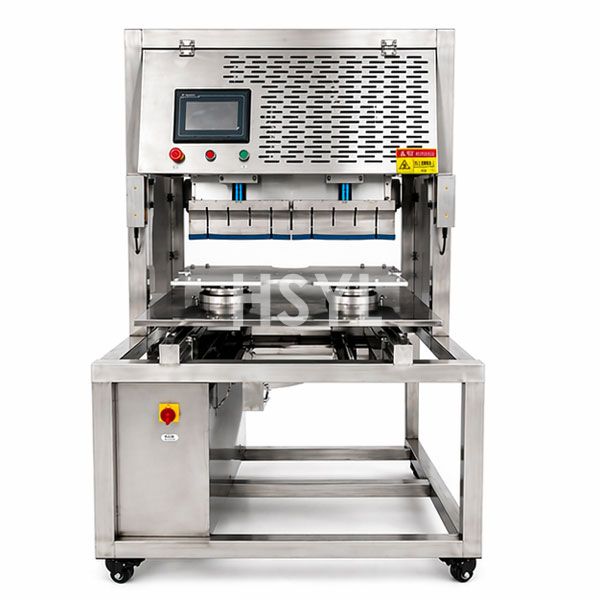
For a dedicated cake application, see the automatic ultrasonic frozen cake cutting machine. Projects requiring several cutting stages and coordinated conveying can also review the ultrasonic cutting production line.
Ultrasonic vibration can reduce product adhesion, but the blade, supports and conveyors still require a defined cleaning procedure. Confirm permitted cleaning methods for each component, including the ultrasonic assembly, sensors and electrical enclosures.
Send HSYL your product photographs, dimensions, cutting temperature, portion drawing and target hourly output. Include the existing freezer and packaging layout so the proposed configuration can address both cutting quality and product handling.
International certifications including GMP, FDA, CE, and HACCP ensure your products succeed worldwide.
Average payback period of 18 months, 25% lower energy consumption, and 300% higher production capacity.
End-to-end support—from feasibility studies to after-sales maintenance—so you can focus on your core business.
Why choose us? Three core pillars ensure maximum return on your investment.
Fully customized design from the ground up, strictly compliant with the highest global standards (GMP, FDA, CE), ensuring a perfect fit for your unique requirements—ideal for high-standard markets such as Europe and the Middle East.
One-stop service covering feasibility studies, equipment manufacturing, system integration, installation, commissioning, and operator training—simplifying even the most complex projects. Especially suited for fast-growing markets in Southeast Asia.
Our systems feature rapid changeover capabilities and energy-efficient design, enabling you to adapt effortlessly to market shifts while minimizing operational costs and maximizing ROI.
From individual equipment to complete production lines, our products cover every aspect of food processing, ensuring that your turnkey projects have the most reliable technological foundation.
Global certifications including CE, FDA, and GMP
Tailored solutions based on your specific needs
From installation and commissioning to after-sales support
Green manufacturing to reduce operational costs
Covering 12 core industries, each solution has been validated through practical experience and tailored to your specific needs

Advanced seafood processing lines for fish, shrimp, and crab. Includes grading, ...
View
Industrial processing lines for tomato paste, chili sauce, and mayonnaise. High-...
View
Professional meat processing equipment solutions. Automated lines for sausage, h...
View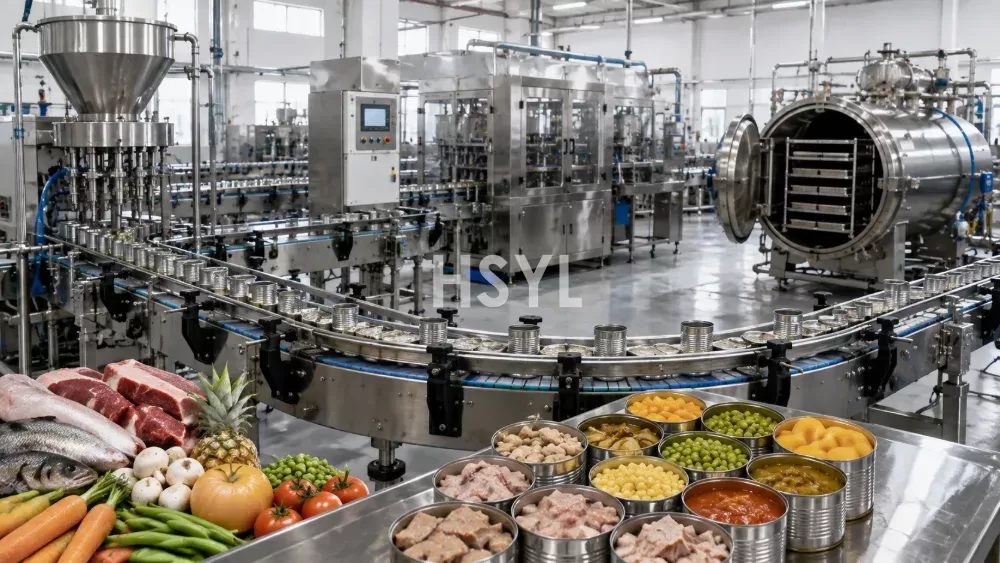
Canned food production line manufacturer for fish, meat, fruit and vegetable can...
ViewBacked by real-world case studies, showcasing our successful experience across industries and regions.
Latest technological trends and professional insights
10 food applications of ultrasonic cutting: cheesecake, frozen meat, salmon, ene...
Read more →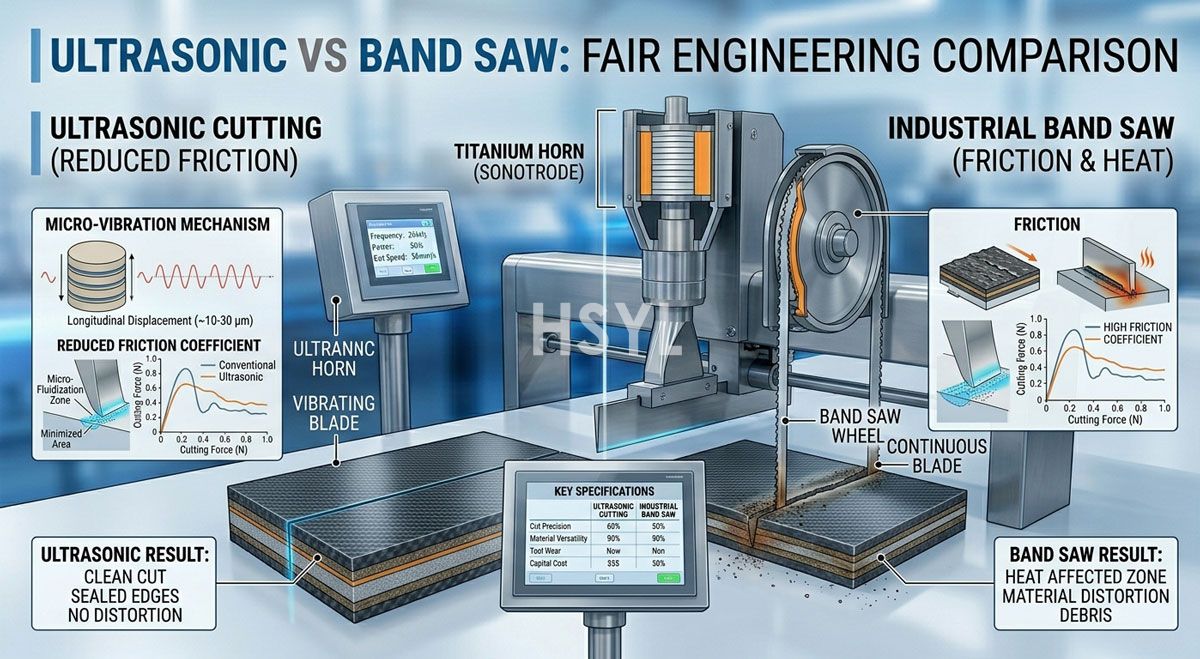
Ultrasonic vs band saw cutting: yield, blade life, capital cost, product quality...
Read more →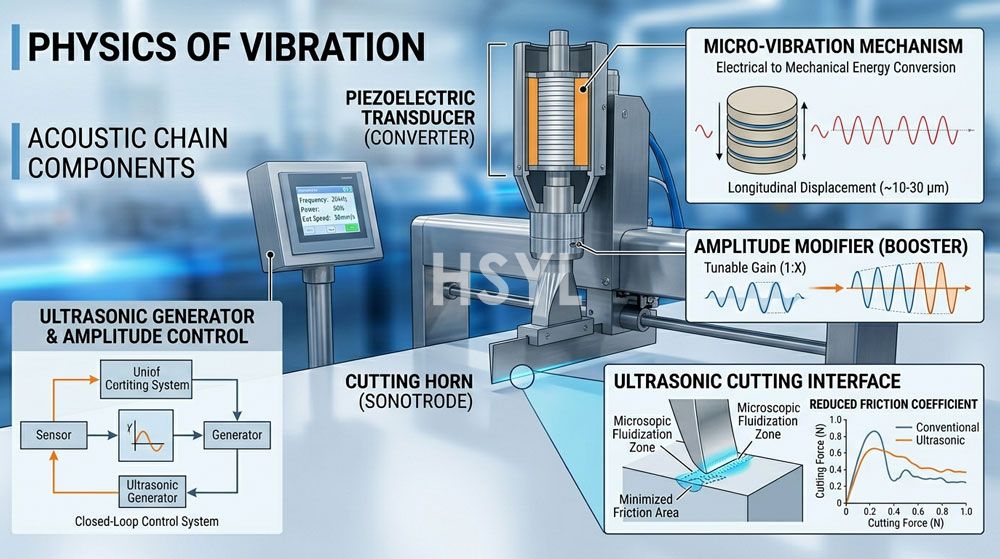
How ultrasonic cutting works: piezoelectric crystals, resonance, blade-edge cavi...
Read more →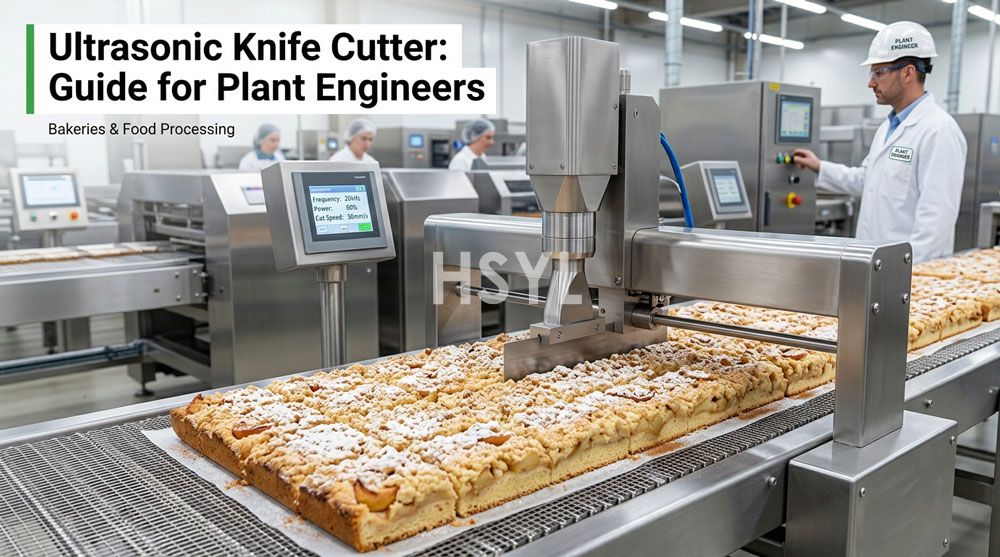
The ultrasonic knife cutter is not a single technology. It is a system composed ...
Read more →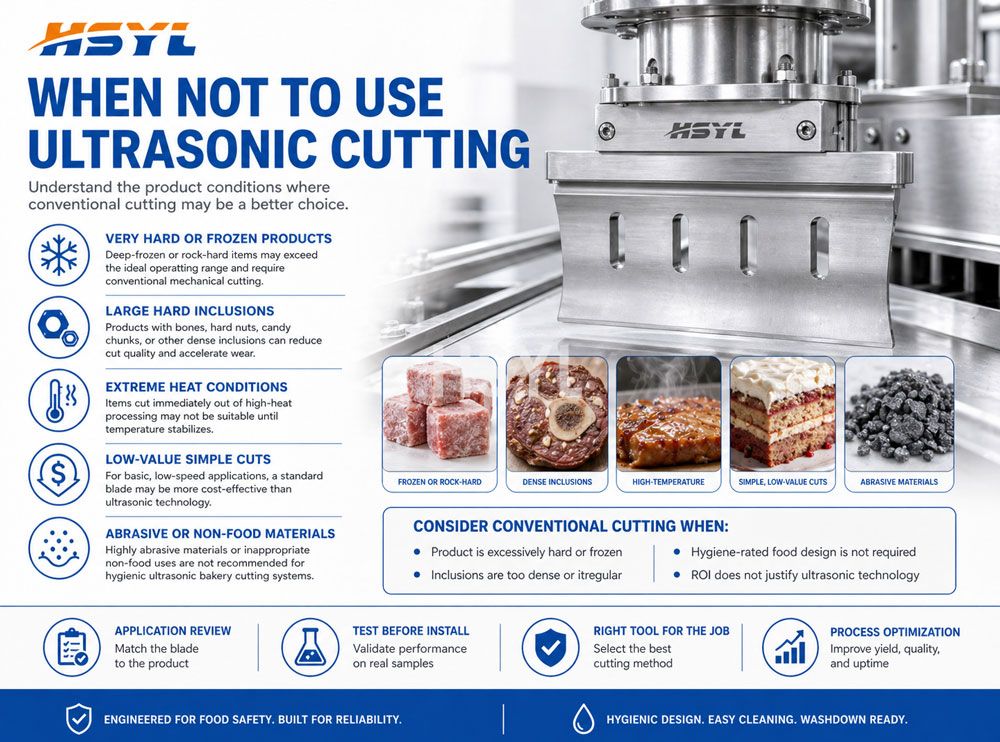
Ultrasonic technology operates by vibrating a titanium sonotrode between 20kHz a...
Read more →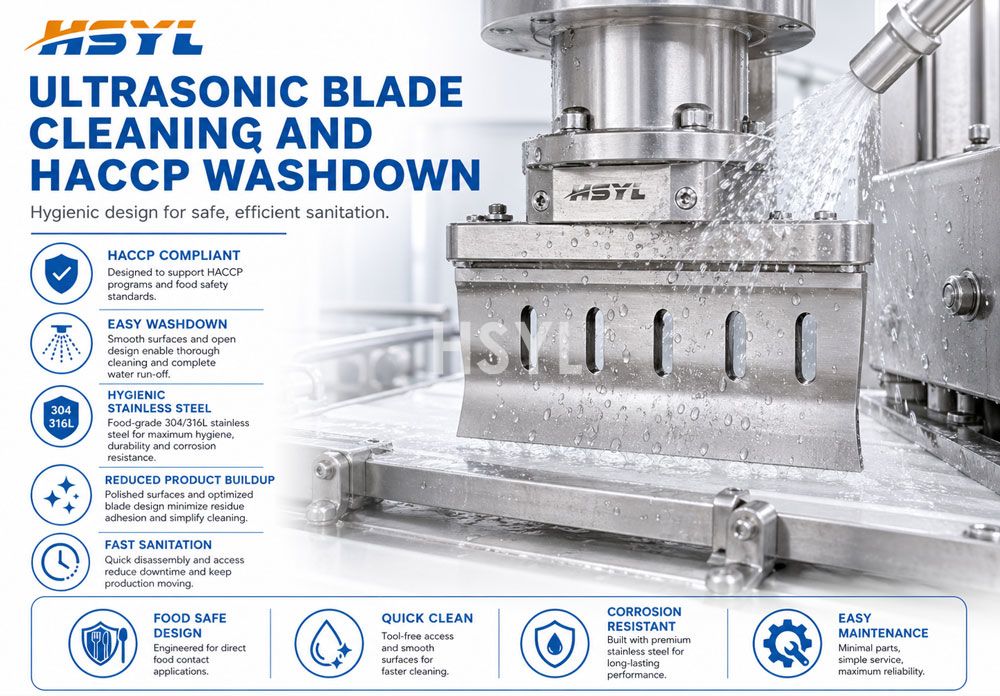
Engineer's guide to ultrasonic blade washdown procedures. Analyze sanitation con...
Read more →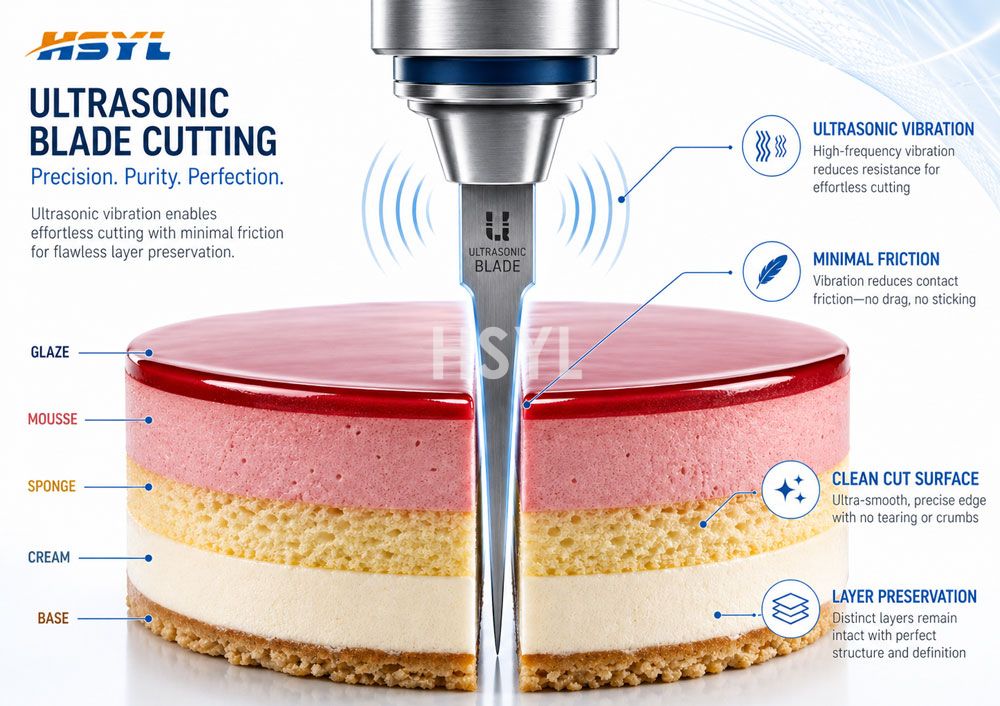
Calculate the true ROI of ultrasonic cutting equipment in industrial bakery line...
Read more →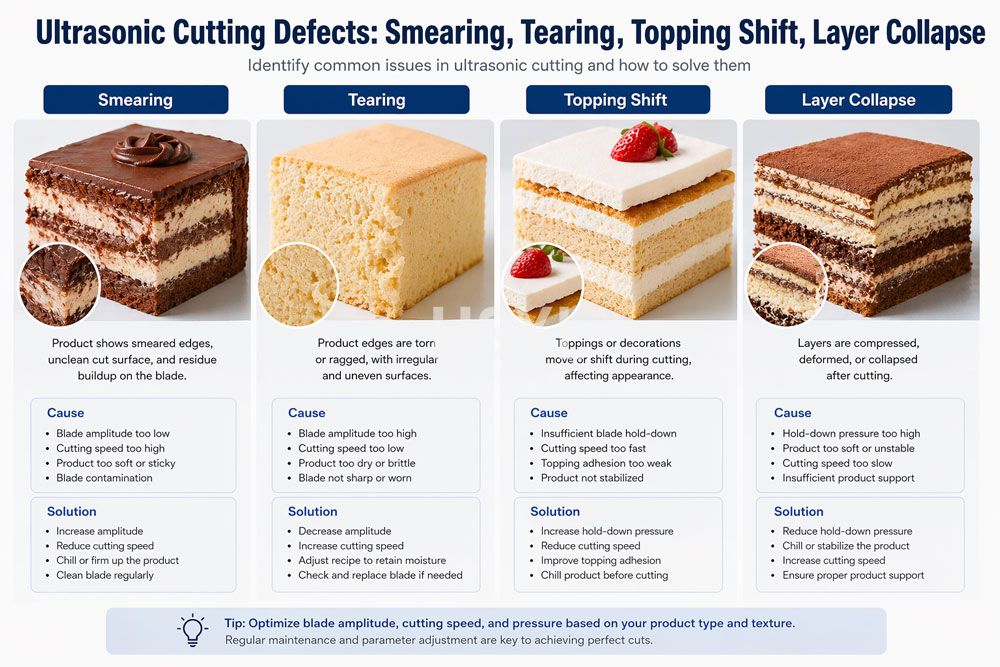
Engineering deep-dive into ultrasonic cutting defects: smearing, tearing, and la...
Read more →Our professional team will provide you with the optimal food processing equipment solution. Contact us today for a detailed consultation.