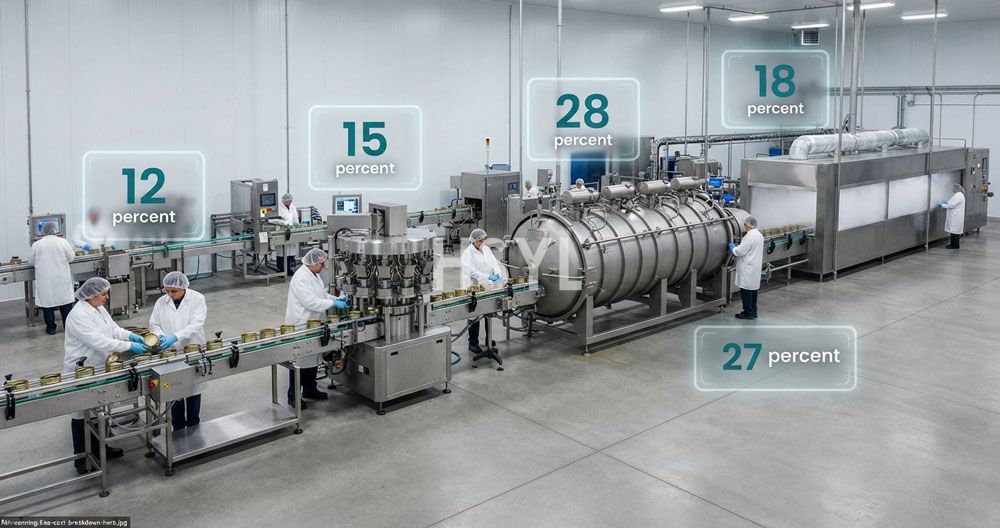
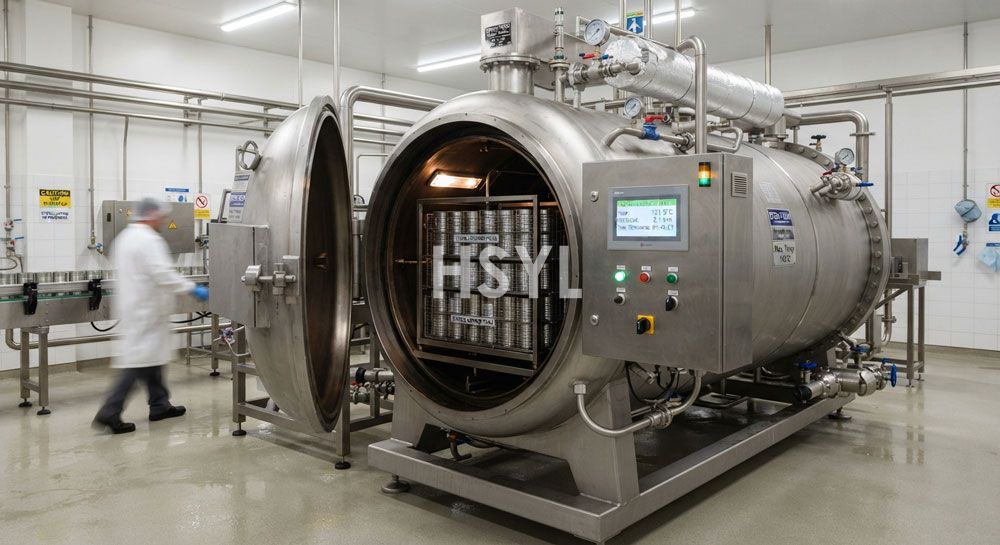
Solution Overview
The kitchen equipment suppliers audit framework on this page covers the three capability dimensions that separate a supplier you can build a multi-site rollout on from one that will fail your second project: supply chain resilience, export compliance, and overseas project delivery. These dimensions are not covered by the general commercial kitchen companies selection guide, which focuses on company-type classification and procurement-process workflow. This page is for buyers who have already shortlisted candidate suppliers and need to audit their actual delivery capability before committing — engineering consultants, format development teams, central kitchen project managers, and procurement leads running international or multi-site deployments.
Most kitchen equipment supplier evaluations stop at price, lead time, and a factory audit photograph. This produces a supplier selection that looks defensible on paper and fails in the field when the supplier cannot produce a CE conformity declaration for the destination market, cannot ship from a second port when the first port is congested, or cannot send a commissioning engineer across a closed border. The framework on this page is built to surface these failure modes before contract signature, not after.
HSYL operates as an engineering and turnkey integration company — not a trading company and not a single-factory OEM. This position gives the framework its first-party grounding: HSYL integrates the resources of top-three Chinese OEM manufacturers under a single point of contact, holds the integration and after-sales risk for the lifetime of the equipment, and has delivered turnkey projects in 25+ countries. The audit dimensions on this page are the same dimensions HSYL uses to qualify its own OEM partners and to demonstrate capability to international buyers. For the broader commercial kitchen companies selection guide — covering company-type classification, the four-stage procurement process, and the pre-contract question checklist — see the commercial kitchen companies page. For supplier contact and project enquiry, see the contact page; for HSYL's engineering and turnkey integration positioning, see the about us page.
Applicable Raw Materials and Final Products
The "raw material" of a kitchen equipment supplier audit is the supplier's own operational data; the "final product" is a signed capability audit report that supports a go or no-go sourcing decision. Scope boundaries:
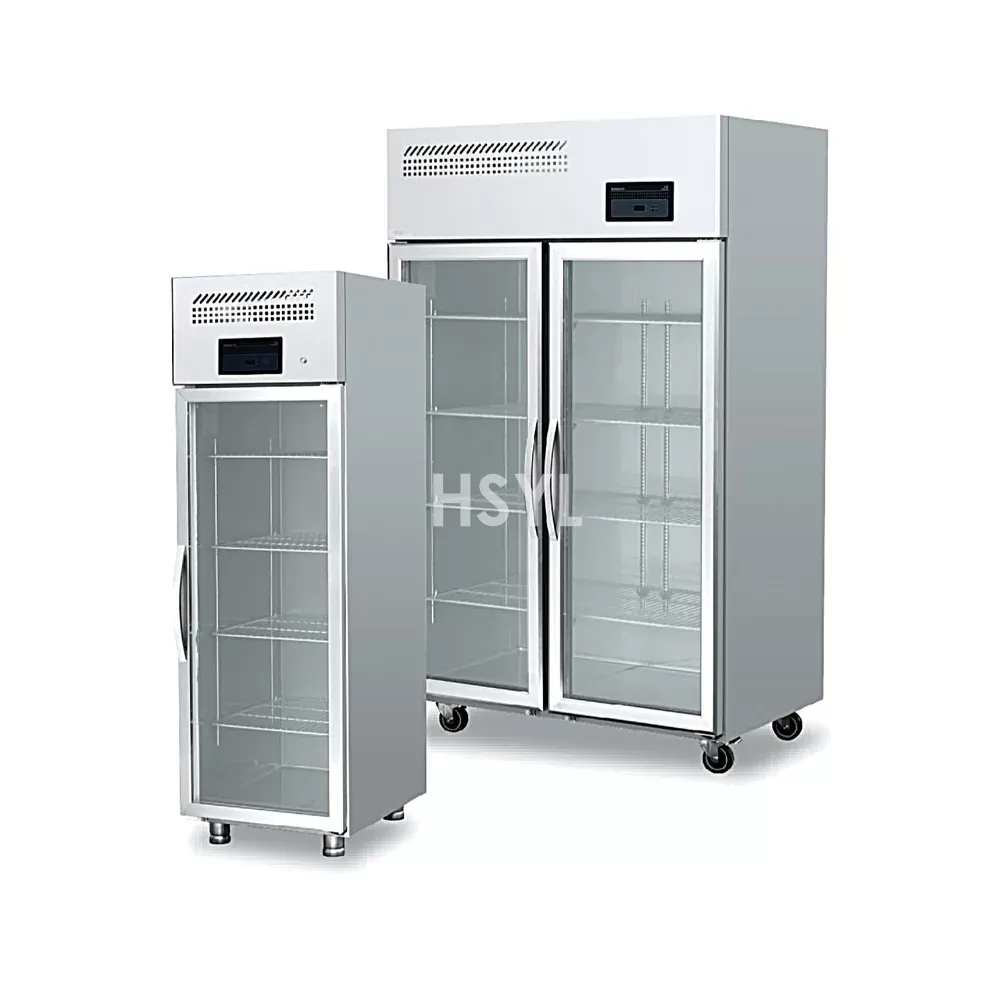
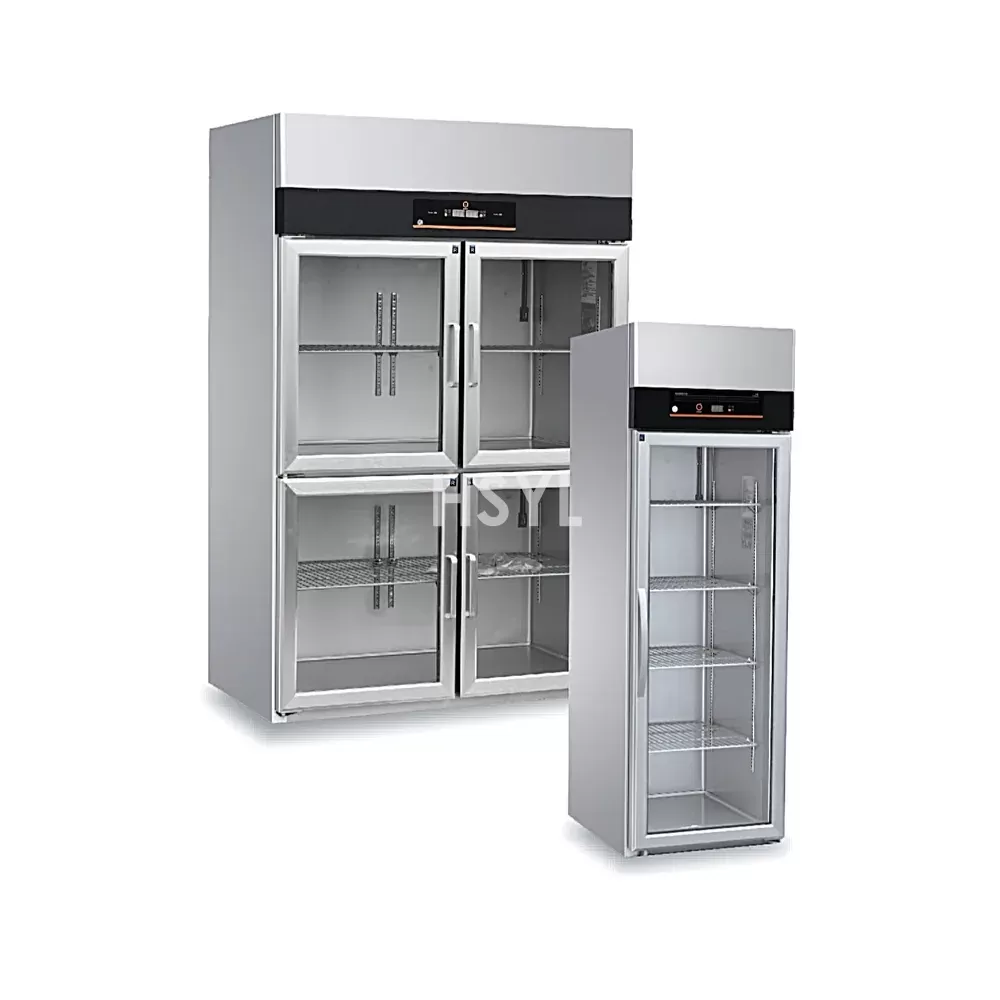
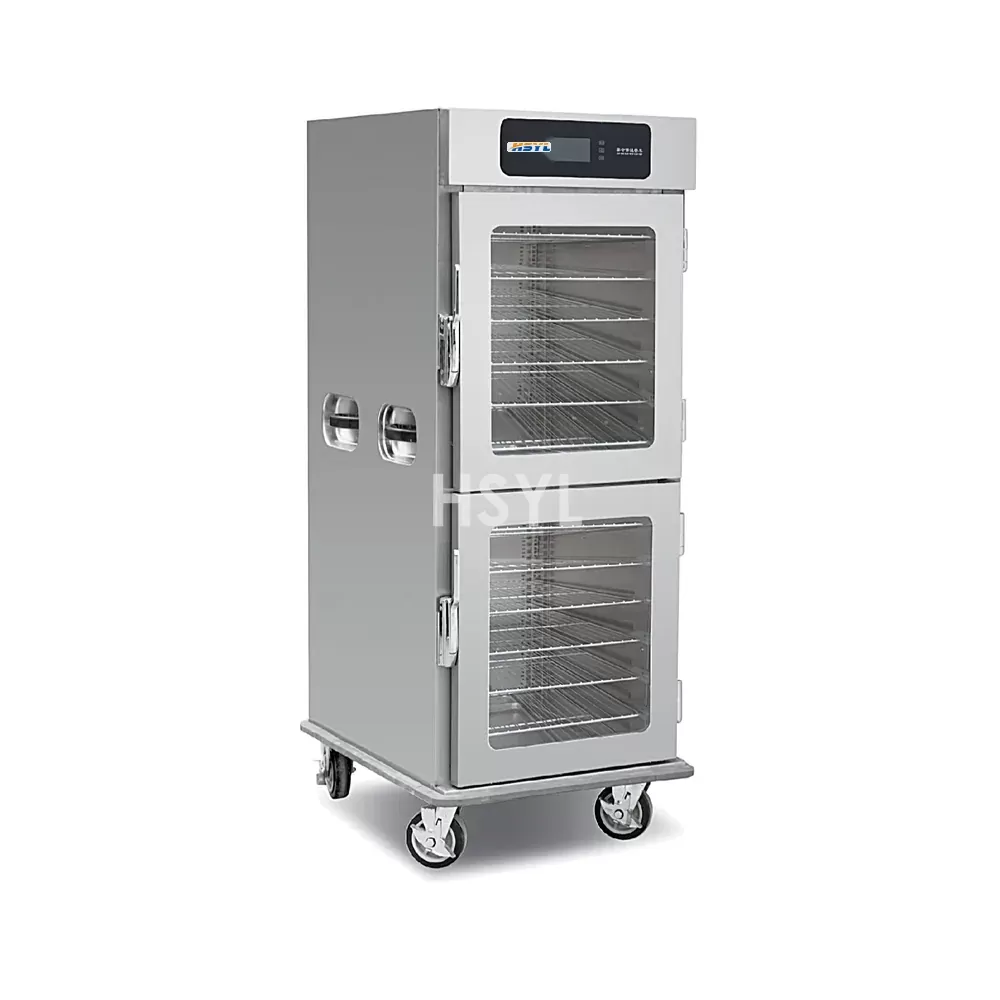
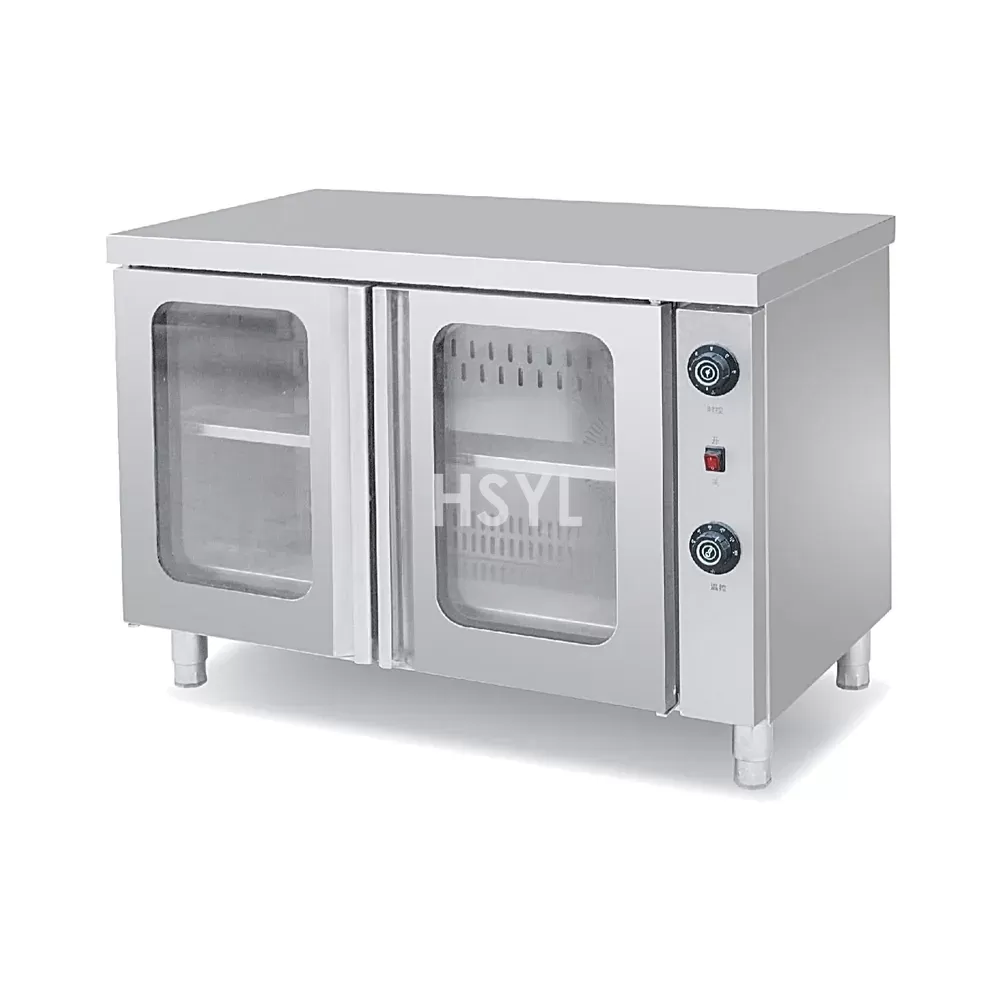
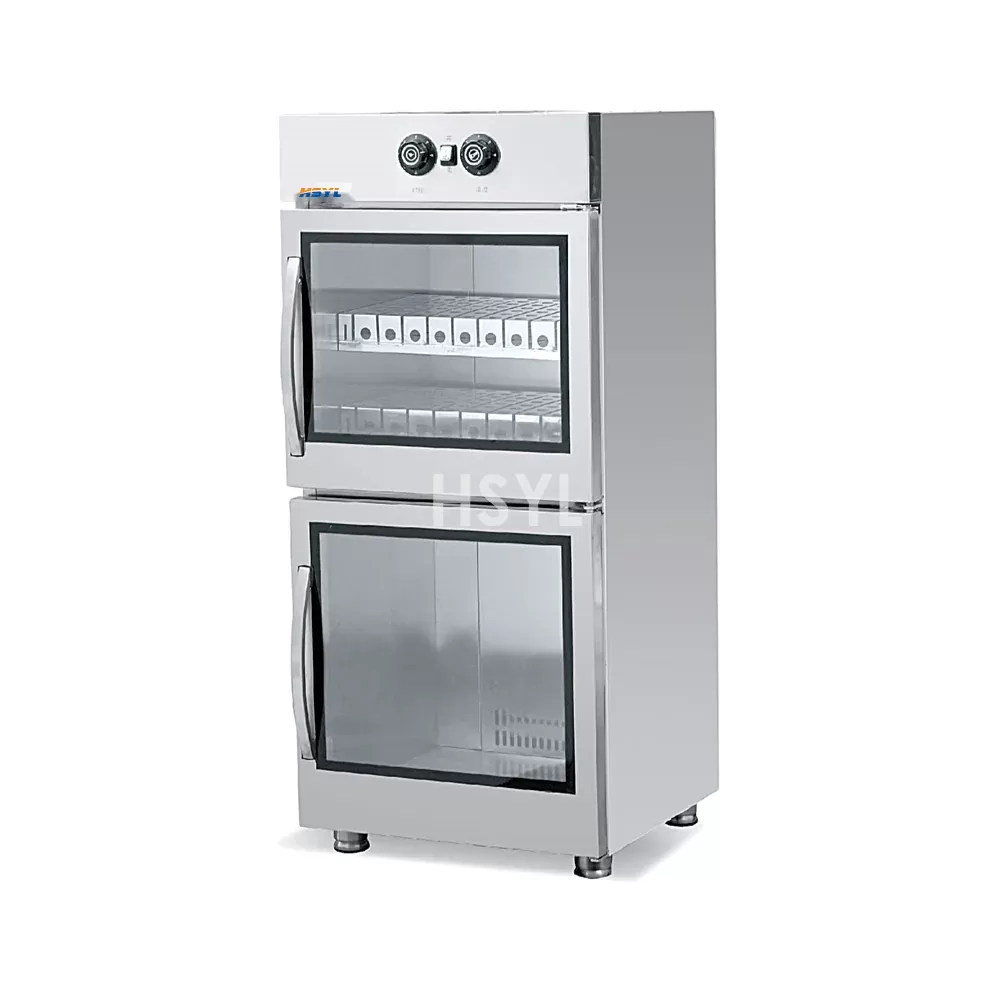
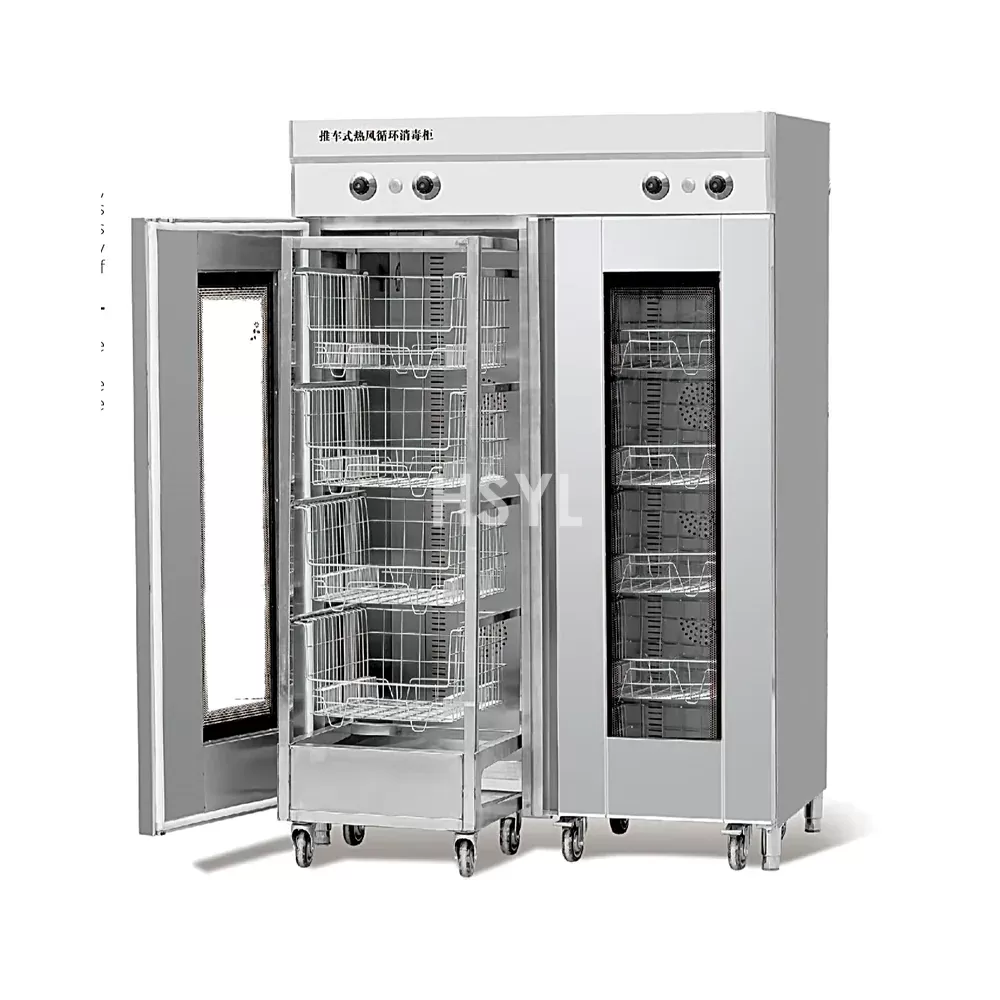
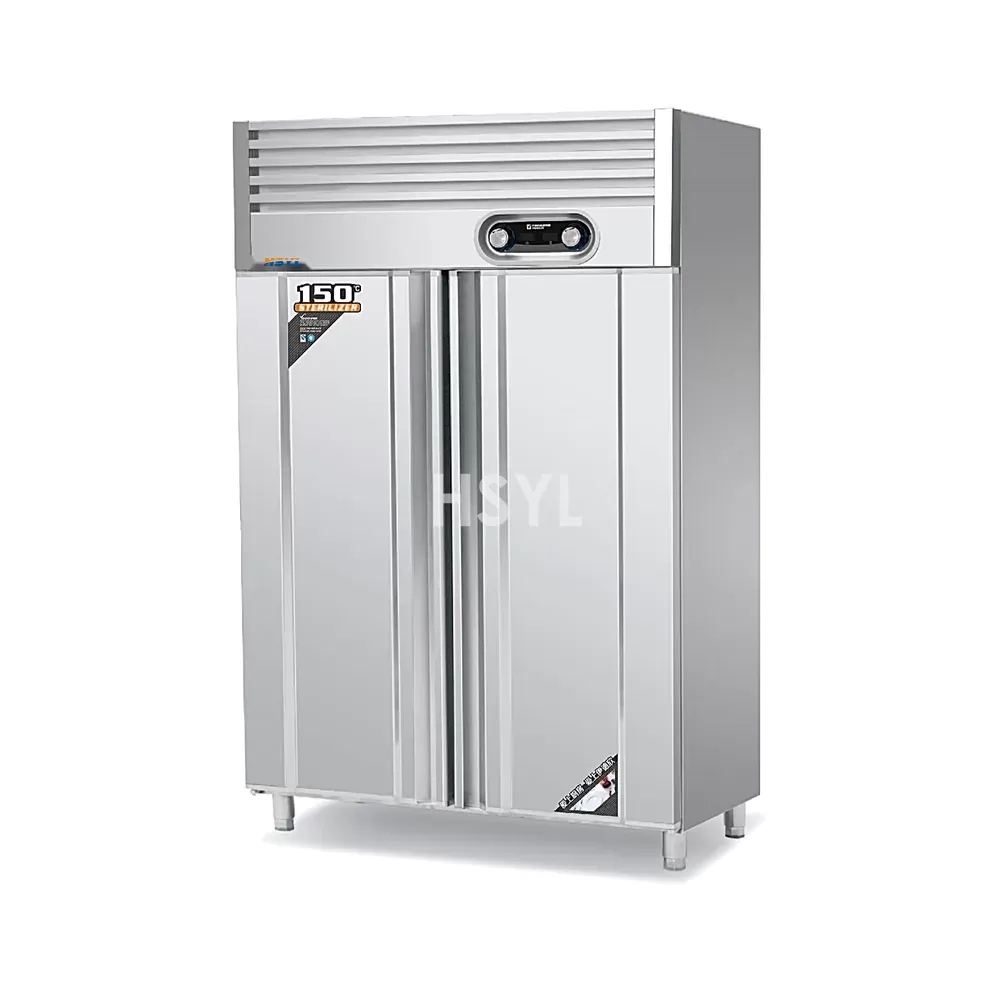
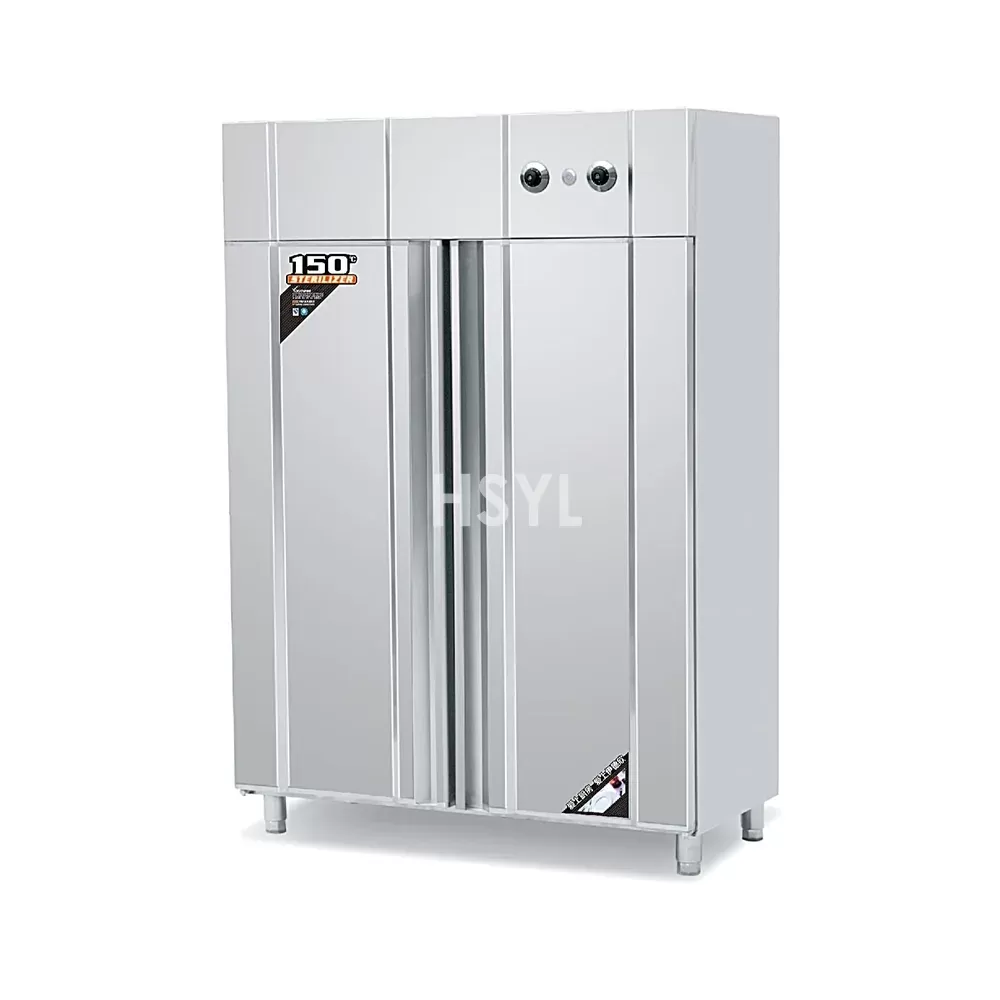
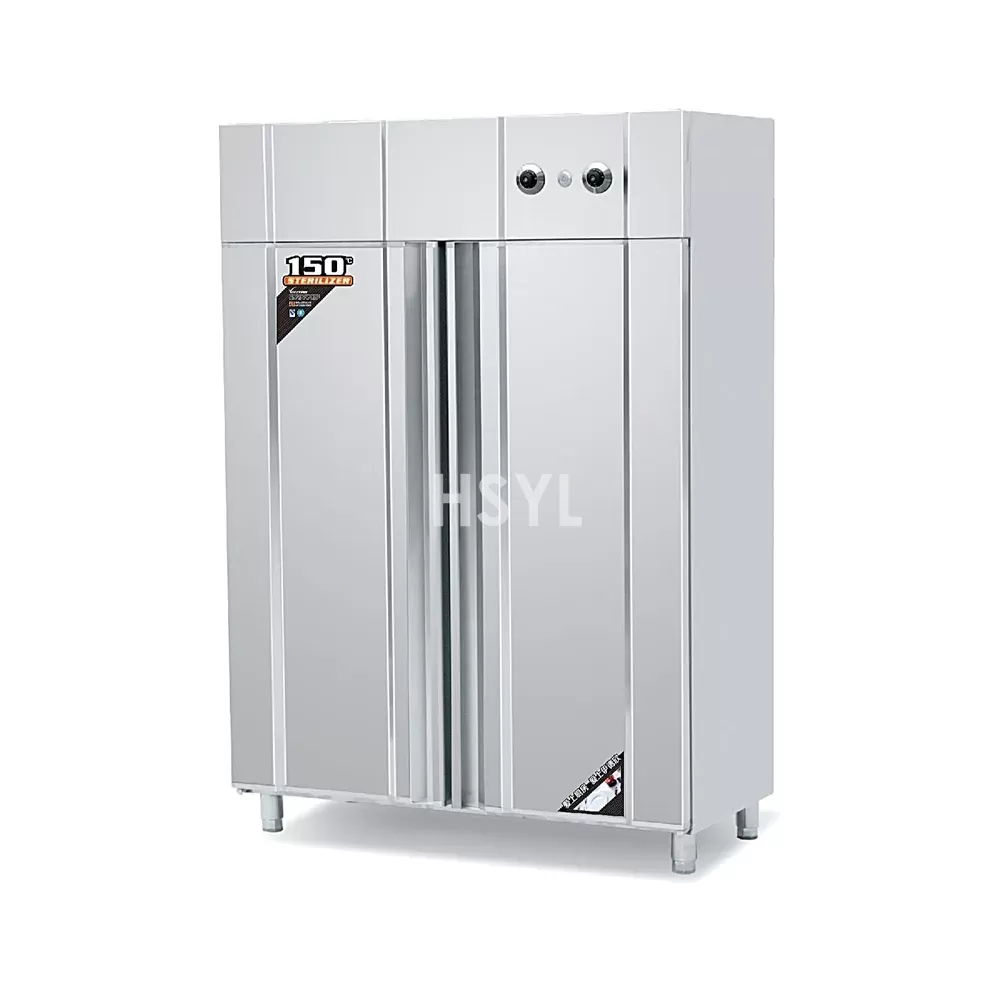
- In scope: suppliers of commercial kitchen equipment — cooking equipment (range, oven, fryer, steamer, griddle, kettle, braising pan), refrigeration (upright fridge, workbench fridge, display fridge, blast chiller), sterilization (disinfection cabinet, sterilizer cabinet), food transport (banquet cart, banquet trolley), and ice making (cube, flake, snowflake, bullet, pellet). Includes OEM manufacturers, trading companies, and turnkey integrators.
- In scope (audit dimensions): supply chain resilience scoring (6 dimensions), export compliance audit (certification portfolio and target-market mapping), and overseas project delivery capability matrix (FAT/SAT, commissioning, training, local service partner, spare-parts overseas warehouse).
- Out of scope by default: smallwares and kitchenware (pots, pans, utensils, cutlery, tableware), consumables (cleaning chemicals, filter cartridges), and disposable packaging. These categories follow different supplier qualification logic and are not covered here.
- Boundary clarification required per project: whether the buyer is sourcing for a single-site kitchen (supplier qualification can be lighter), a multi-site rollout (supplier must demonstrate repeatable delivery and standardization capability), or an international turnkey project (supplier must demonstrate export compliance and overseas commissioning capability). The audit depth scales with the project scope.
Typical Processing Flow
The supplier audit workflow is a six-stage process that runs after supplier shortlisting and before contract signature:
- Supplier self-declaration collection — the supplier submits a self-declaration covering company registration, manufacturing footprint, certification portfolio, reference project list, and key personnel. The self-declaration is the starting point, not the audit conclusion.
- Documentary verification — each claim in the self-declaration is verified against source documents: business licence, factory audit report, certification certificates (CE, FDA, USDA, UL, ETL, NSF, Halal, Kosher, ISO 9001), and reference project evidence (contract, delivery record, customer contact for reference call).
- Supply chain resilience scoring — the supplier is scored across the six supply-chain resilience dimensions described in the next section. Scoring uses the documentary evidence plus a structured interview with the supplier's operations manager.
- Export compliance audit — the supplier's certification portfolio is mapped against the target market's import and use requirements. Gaps are identified; remediation options (additional certification, third-party testing, destination-market local partner) are evaluated.
- Overseas delivery capability assessment — the supplier's FAT/SAT procedure, commissioning team capacity, training delivery model, local service partner network, and spare-parts overseas warehouse are assessed against the project's destination and timeline.
- Capability audit report and sourcing decision — the audit findings are consolidated into a single report; the buyer makes a go, conditional-go, or no-go sourcing decision based on the report.
The flow fails when the buyer accepts the supplier's self-declaration as the audit conclusion, or when the buyer performs documentary verification but skips the supply chain resilience scoring and overseas delivery assessment. Both failure modes produce sourcing decisions that survive price negotiation but fail at first delivery.
Main Equipment in the Supplier Audit Line
The supplier audit "equipment line" is the set of audit instruments used to produce repeatable, comparable assessments across multiple candidate suppliers. The table below classifies each instrument as Standard (required in every audit), Conditional (required for specific project types), or Optional (adds rigour but not required for basic audit):
| Audit Stage | Recommended Instrument | Main Function | Capacity Basis | Standard / Conditional / Optional | Key Customization Input |
|---|
| Self-declaration collection | Standardized supplier self-declaration template | Collects supplier operational data in comparable format | Number of candidate suppliers | Standard | Template fields; language; submission format |
| Documentary verification | Document checklist with source-document requirements | Verifies each self-declaration claim against source documents | Number of claims per supplier | Standard | Document list; verification depth; reference call protocol |
| Supply chain resilience scoring | Six-dimension resilience scoring matrix | Scores supplier across delivery, lead time, technical support, multi-port export, inventory depth, capacity elasticity | Number of suppliers scored | Standard | Scoring weights; evidence requirements; interview protocol |
| Export compliance audit | Certification portfolio and target-market mapping matrix | Maps supplier certifications against destination market requirements | Number of target markets | Standard for international projects | Target market list; certification requirements per market |
| Overseas delivery assessment | Five-factor overseas delivery capability matrix | Assesses FAT/SAT, commissioning, training, local partner, spare-parts warehouse | Number of destination countries | Standard for international turnkey projects | Destination list; project timeline; local partner availability |
| Factory audit | On-site factory audit checklist | Verifies manufacturing footprint, quality system, and production capacity | Number of factories audited | Conditional — required for high-volume or multi-site rollouts | Audit scope; auditor qualification; visit duration |
| Reference call | Structured reference customer interview protocol | Verifies supplier's delivery record through customer reference calls | Number of reference customers contacted | Conditional — required for strategic supplier selection | Reference customer list; interview questions; NDA |
| Sample equipment test | Sample equipment procurement and bench test | Verifies equipment performance against specification | Number of equipment models tested | Optional — recommended for novel equipment categories | Sample model; test protocol; acceptance criteria |
For complementary guidance on selecting kitchen equipment by category — including cooking equipment, refrigeration, sterilization, and ice making — see the commercial kitchen cooking equipment page, the commercial fridge freezer solution page, and the broader commercial kitchen equipment catalog.
Capacity and Automation Options
Supplier audit capacity is governed by the number of candidate suppliers, the audit depth, and the project timeline. The capacity unit is audits per quarter and audit-cycle duration, not equipment throughput. Key capacity and automation inputs:
- Candidate supplier count: the number of suppliers to be audited. Larger shortlists produce more comparable data but extend the audit cycle; the typical shortlist is three to five suppliers per equipment category.
- Audit depth: documentary verification only (lightest), plus resilience scoring and compliance audit (standard), plus on-site factory audit and reference calls (deepest). Audit depth scales with project value and strategic importance.
- Audit cycle duration: the elapsed time from self-declaration collection to capability audit report. Typical cycles range from a placeholder value to a higher value — exact durations depend on supplier responsiveness, document availability, and audit depth, and must not be invented here.
- Audit team capacity: the number of auditors and their language coverage. International audits require auditors who can operate in the supplier's local language and the buyer's working language; single-language audits produce incomplete evidence.
- Reference call throughput: the number of reference customers that can be contacted within the audit cycle. Reference calls are the highest-evidence verification method but the slowest; throughput limits the audit depth.
- Bottleneck identification: the slowest step in the audit flow. Common bottlenecks are supplier document collection (supplier-side delay) and reference call scheduling (customer-side delay). Adding audit team capacity without addressing a document-collection bottleneck does not shorten the cycle.
- Automation options: standardized self-declaration templates (digital form with mandatory fields), documentary verification workflow (checklist with status tracking), resilience scoring spreadsheet (auto-calculated weighted scores), and compliance mapping database (target-market-to-certification lookup table). These reduce auditor time per supplier but do not eliminate the structured interview or reference call. For a broader automation framework, see the central kitchen automation guide.
Where no confirmed capacity data is available for a specific audit, the audit plan must use placeholders, and the proposal must list the inputs required from the buyer — candidate supplier count, audit depth, target markets, and project timeline. Inventing capacity figures produces an audit plan that is either oversized (audit cost exceeds sourcing decision value) or undersized (audit misses critical evidence).
Factory Layout and Material Flow
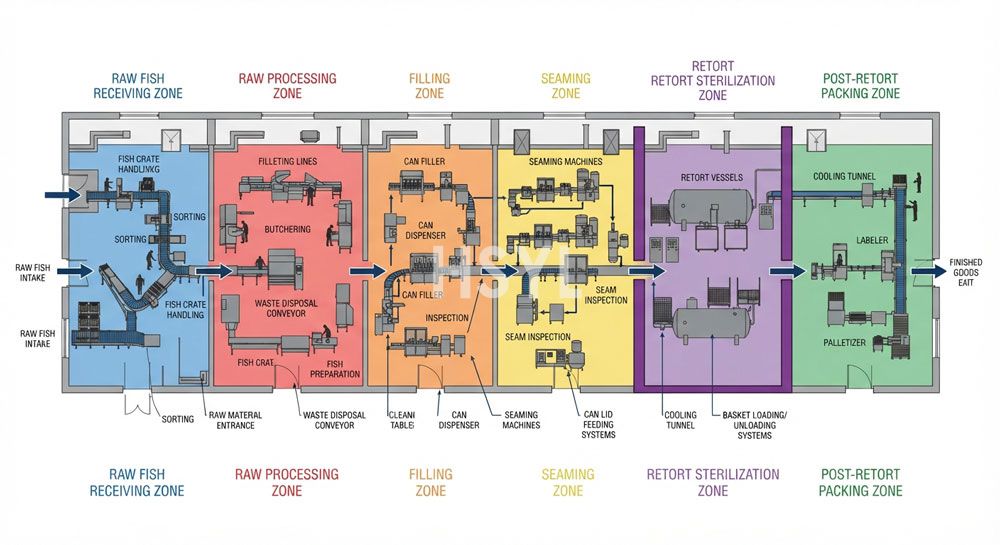
The supplier audit "factory layout" refers to the supplier's own manufacturing footprint — the physical layout that the on-site factory audit verifies. Key layout principles to verify during audit:
- Manufacturing footprint: the factory area, the equipment categories produced in-house, and the equipment categories outsourced. A supplier that claims in-house production of all categories but actually outsources critical sub-assemblies is a resilience risk.
- Production line layout: the flow from raw material receiving to finished goods storage. A factory with a disorganized flow, missing quality-control stations, or inadequate testing area produces inconsistent equipment.
- Material flow separation: raw material, work-in-progress, and finished goods must be physically separated. Mixed storage produces mis-pick and mis-ship errors. For the broader methodology, see the commercial kitchen clean and dirty flow design guide.
- Quality-control station placement: incoming inspection, in-process inspection, and final inspection stations must be present and staffed. A factory with no visible QC stations is a factory with no quality control.
- Testing area: a dedicated testing area for hydrostatic test, electrical safety test, and functional test of finished equipment. The testing area must have calibrated instruments; calibration certificates must be verifiable.
- Spare-parts storage: the supplier's spare-parts warehouse. A supplier that holds no spare-parts inventory cannot support overseas commissioning or warranty claims within a reasonable timeframe.
- R and D area: a research and development area with prototyping and testing capability. A supplier with no R and D area cannot support customization requests.
- Maintenance access: the supplier's own equipment must have maintenance access. A factory that does not maintain its own equipment does not produce equipment that can be maintained.
For the broader zone-planning methodology that informs factory audit — hot zone, cold zone, and prep flow applied to the supplier's own production — see the commercial kitchen layout planning guide.
Utility Requirements
The supplier audit "utility requirements" refer to the supplier's own utility infrastructure — the utilities that the on-site factory audit verifies. Only confirmed values should appear in a final audit report; unconfirmed items must be listed as requiring calculation:
- Electricity: the supplier's connected electrical load, voltage, and phase. A factory with insufficient electrical capacity cannot produce equipment that requires high-power welding or testing.
- Water: the supplier's water supply for hydrostatic testing and cleaning. A factory with no water supply cannot perform hydrostatic tests on pressure-bearing equipment.
- Compressed air: the supplier's compressed air system for pneumatic tools and testing. A factory with insufficient compressed air capacity cannot operate pneumatic assembly tools consistently.
- Welding gas: the supplier's welding gas supply (argon, CO2, mixed gas) for stainless steel welding. A factory with inconsistent welding gas supply produces inconsistent weld quality.
- Drainage and wastewater treatment: the supplier's drainage and wastewater treatment for hydrostatic test water and cleaning wastewater. Environmental compliance is a precondition for export compliance in many markets.
- Ventilation: the supplier's ventilation for welding fume extraction and paint booth exhaust. Inadequate ventilation produces both worker health risks and finish-quality defects.
- Calibration infrastructure: the supplier's calibration laboratory or third-party calibration service. Calibration certificates without traceable calibration infrastructure are not credible.
- Backup power: optional. A factory with backup power can continue production during grid outages; a factory without backup power cannot commit to delivery lead times in regions with unreliable grid.
Food Safety and Hygienic Design
The supplier audit "food safety and hygienic design" dimension verifies whether the supplier's equipment design and manufacturing process support food safety in the buyer's operation. Key audit points:
- Material grade: the supplier's material grade selection for food-contact surfaces. The audit verifies material certificates against the supplier's claimed grade. For material-grade selection guidance, see the stainless steel grade selection guide.
- Welding quality: the supplier's welding quality for food-contact welds. The audit verifies weld appearance, weld penetration, and post-weld passivation. Poor welding produces crevices that harbour bacteria.
- Surface finish: the supplier's surface finish for food-contact surfaces. The audit verifies roughness values and finish consistency. Rough surfaces are harder to clean and increase contamination risk.
- Design for cleanability: the supplier's equipment design for cleanability. The audit verifies that food-contact surfaces are accessible for cleaning, that there are no dead legs or uncleanable crevices, and that drainage is provided where liquid accumulation is possible.
- Certification of food-contact materials: the supplier's certification that food-contact materials comply with the destination market's food-contact regulations (FDA 21 CFR, EU 1935/2004, GB 4806, etc.).
- HACCP awareness: the supplier's awareness of HACCP principles in equipment design. A supplier that cannot describe how its equipment supports the buyer's HACCP plan is a supplier that may produce equipment that inadvertently compromises the plan.
- Cleaning and sanitation documentation: the supplier's cleaning and sanitation documentation for the equipment it produces. The audit verifies that cleaning procedures are documented, validated, and included in the user manual.
Quality Control Points
Quality control on the supplier audit focuses on the audit's own quality — the repeatability, comparability, and defensibility of the audit conclusions:
- Self-declaration completeness: every field in the self-declaration template is completed; incomplete declarations are returned for completion before documentary verification begins.
- Document authenticity: every document submitted for verification is checked for authenticity — certification certificates are verified with the issuing body, business licences are verified with the registration authority, and reference project contracts are verified with the reference customer.
- Scoring consistency: resilience scoring is performed by the same auditor or auditor team across all candidate suppliers; scoring evidence is documented for each score; scores are reviewed by a second auditor before consolidation.
- Compliance mapping accuracy: the certification-to-target-market mapping is verified against the destination market's current import and use requirements; outdated or incorrect mappings are corrected before the audit report is finalized.
- Reference call documentation: reference calls are documented with date, attendees, questions asked, and answers received; reference customers are contacted with NDA in place where required.
- Audit report review: the audit report is reviewed by a second auditor and signed off by the audit lead before release to the buyer; the report's conclusions are defensible against supplier challenge.
Labor and Operating Considerations
Supplier audit labour is dominated by the auditor team's time. Operating considerations:
- Auditor qualification: auditors must have kitchen equipment technical knowledge, export compliance knowledge, and the language coverage to operate in the supplier's local market. A single-auditor audit without language coverage produces incomplete evidence.
- Audit team composition: a typical audit team includes a lead auditor (technical), a compliance auditor (certification and export), and a supply-chain auditor (resilience and delivery). Smaller audits may combine roles; larger audits may add a dedicated reference-call interviewer.
- Supplier-side preparation: the supplier must designate a single point of contact for the audit, prepare the self-declaration and source documents, and make operations and quality managers available for structured interviews. A supplier that cannot dedicate a point of contact is a supplier that will be hard to work with during project execution.
- Reference customer cooperation: reference customers must be willing to participate in structured calls; the buyer must respect NDA constraints and time-zone differences. Reference calls that are rushed or conducted without preparation produce low-value evidence.
- Audit cycle management: the audit cycle is managed against a timeline; suppliers that miss document submission deadlines are flagged; the audit report is delivered on the committed date regardless of supplier-side delays.
Customization and Project Engineering
Supplier audit customization is driven by the buyer's project scope, the destination market, and the equipment categories in scope. Customization inputs:
- Project scope: single-site kitchen, multi-site rollout, central kitchen, or international turnkey project. Each scope produces a different audit depth and a different weighting of resilience, compliance, and delivery dimensions.
- Destination market: the destination market's import and use requirements drive the compliance audit scope. Different markets require different certification portfolios (CE for EU, FDA/USDA/UL for US, ETL/NSF for North America foodservice, Halal for Muslim-majority markets, Kosher for Jewish markets).
- Equipment categories in scope: the equipment categories being sourced drive the technical audit scope. Pressure-bearing equipment (steamers, kettles) requires hydrostatic test verification; refrigeration requires performance test verification; sterilization requires microbiological efficacy verification.
- Strategic importance: strategic suppliers (long-term partnership, multi-year framework) require deeper audit than transactional suppliers (one-off purchase). Strategic audits include on-site factory audit and multiple reference calls; transactional audits may be limited to documentary verification.
- Customization requirements: if the buyer requires customized equipment, the audit must verify the supplier's R and D capability, prototyping capability, and customization lead time. A supplier with no R and D area cannot support customization.
- Multi-site rollout standardization: if the buyer is running a multi-site rollout, the audit must verify the supplier's ability to deliver identical equipment across multiple sites and multiple shipments, including configuration management and revision control.
Project Implementation Stages
A supplier audit project follows a defined sequence. Specific durations are not committed without confirmed project data; the stages are listed in order:
- Requirement confirmation: project scope, destination market, equipment categories, candidate supplier list, and audit depth confirmed with the buyer.
- Audit plan design: the audit instruments (self-declaration template, document checklist, resilience scoring matrix, compliance mapping, overseas delivery assessment) are customized to the project.
- Preliminary supplier engagement: candidate suppliers are engaged; self-declaration templates are issued; submission deadlines are confirmed.
- Self-declaration collection and triage: self-declarations are collected; incomplete declarations are returned; suppliers that cannot complete the self-declaration are deselected.
- Documentary verification: source documents are verified; certification authenticity is checked; reference project evidence is collected.
- Structured interviews: operations managers and quality managers are interviewed for resilience scoring; compliance managers are interviewed for export compliance; project managers are interviewed for overseas delivery capability.
- On-site factory audit (where applicable): the factory audit is conducted against the checklist; manufacturing footprint, quality system, and production capacity are verified.
- Reference calls: reference customers are contacted under NDA; structured interview protocol is followed; call notes are documented.
- Audit report consolidation: findings are consolidated into a single capability audit report; go, conditional-go, or no-go recommendation is made per supplier; report is reviewed and signed off.
- Sourcing decision and contract negotiation: the buyer makes the sourcing decision; contract negotiation is informed by the audit findings; audit conditions are reflected in the contract terms.
Project cycle commitments are not made without confirmed project data. Strategic supplier audits with on-site factory visits and multiple reference calls take longer than transactional supplier audits with documentary verification only; both are valid audit depths for different project scopes.
Information Needed for a Technical Proposal
To produce a technical proposal for a kitchen equipment supplier audit, the following information is required from the buyer. Where information is not available, the proposal will use placeholders and list the open items:
- Project scope: single-site kitchen, multi-site rollout, central kitchen, or international turnkey project. Number of sites and rollout timeline.
- Destination market: the destination country or region for the equipment. Import and use requirements applicable to the destination market.
- Equipment categories in scope: the list of equipment categories being sourced (cooking, refrigeration, sterilization, food transport, ice making). Customization requirements per category.
- Candidate supplier list: the list of candidate suppliers to be audited. Supplier country, supplier type (OEM, trading company, turnkey integrator), and existing relationship history.
- Audit depth: documentary verification only, plus resilience scoring and compliance audit, or full audit with on-site factory visit and reference calls.
- Strategic importance: strategic supplier selection (long-term partnership) or transactional supplier selection (one-off purchase).
- Project timeline: target sourcing decision date and target contract signature date.
- Buyer-side resources: buyer-side audit team contact, language coverage, and availability for reference call participation.
- Compliance constraints: any buyer-specific compliance requirements (group-level supplier code of conduct, sustainability requirements, anti-bribery and anti-corruption requirements).
Discuss the Project
If you are planning a kitchen equipment supplier audit — for a multi-site rollout, a central kitchen project, or an international turnkey deployment — the engineering team can review your project scope, destination market, and candidate supplier list and produce an audit plan matched to your actual sourcing decision requirements. Contact the engineering team with your project scope and candidate supplier list to start the audit proposal process.