

Market & Trends
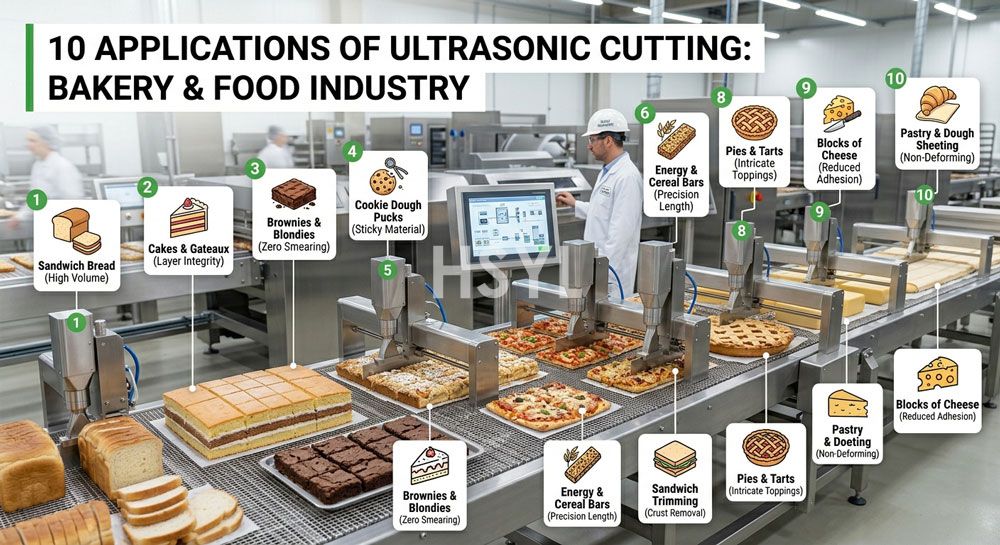
10 Applications of Ultrasonic Cutting in Food Industry
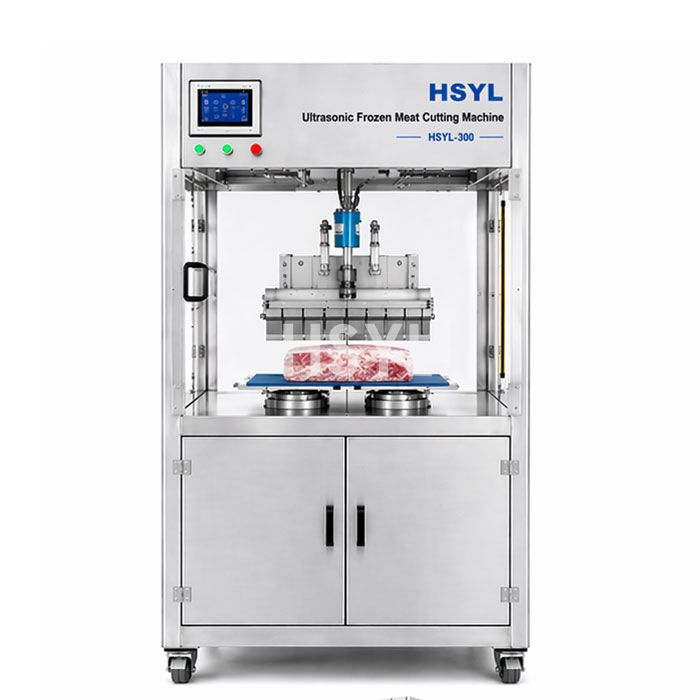
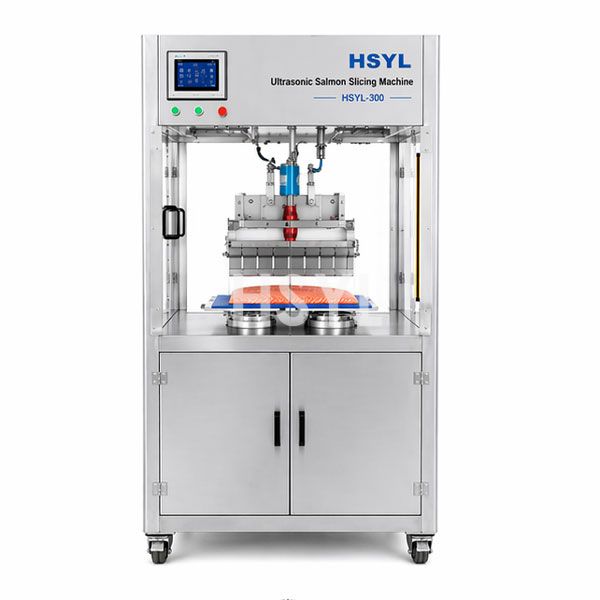
10 food applications of ultrasonic cutting: cheesecake, frozen meat, salmon, ene...
Read more →End-to-end design, manufacturing, and delivery—empowering you to achieve efficient, compliant, and highly profitable production in any global market.
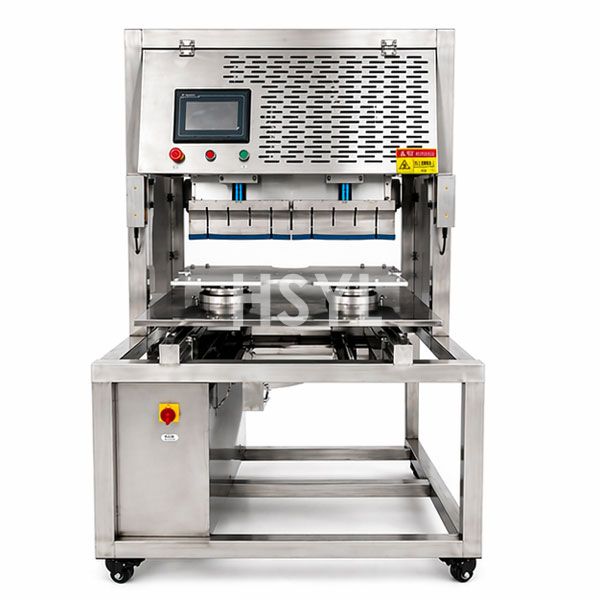
An ultrasonic slicer differs from a conventional blade slicer in one critical engineering respect: the cutting edge never makes direct mechanical contact with the product. A 20 kHz piezoelectric driver resonates a titanium-alloy blade at 20–80 µm amplitude, creating a fluid boundary layer that separates the product along the molecular plane. This eliminates the two principal failure modes of mechanical deli and bakery slicers — residue buildup on the blade face and compressive crushing of the slice surface. The result is sustained slice-weight accuracy across 8-hour production runs without the 15-minute blade-scraping stops that plague standard stainless-steel rotary slicers.
A 2025 audit across three central kitchen facilities switching from mechanical rotary slicers to HSYL ultrasonic slicers documented a 2.9% reduction in average package giveaway on 150 g deli meat trays. On a line running 12,000 trays per shift, this equals 348 kg of unrecovered meat per shift — approximately $2,100 daily at wholesale pricing. The stability is achieved through real-time amplitude adjustment: the PLC monitors servo torque on the Z-axis and adjusts blade vibration amplitude within 5 milliseconds to compensate for product density variations (e.g., the transition from lean muscle to fat cap on a beef top round).
The generator uses a phase-locked loop (PLL) to track the resonant frequency of the blade assembly. When slicing through a dense tendon or a pocket of fat, the impedance shift is detected within 2 ms, and the amplitude is boosted from 35 µm to 55 µm to maintain consistent slice separation force. On the return stroke, the amplitude drops to 15 µm to prevent the blade from "slapping" the next product index position. This closed-loop control is unique to HSYL's YL-US series and is a key differentiator from basic ultrasonic drivers that operate at fixed amplitude regardless of product density.
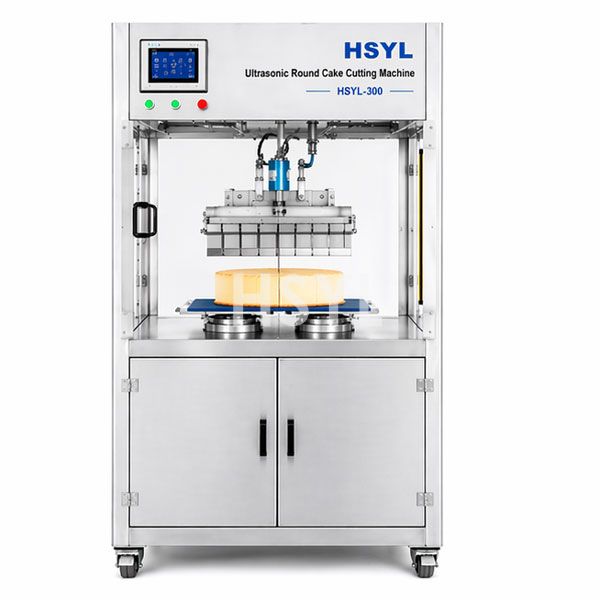
The YL-US ultrasonic slicer is designed as a drop-in module for existing protein and bakery lines. It communicates with upstream portion conveyors and downstream industrial food packaging systems via discrete I/O or EtherNet/IP. For facilities processing both block cheese and pre-sliced deli meats, refer to the ultrasonic cheesecake cutting machine for dedicated confectionery applications requiring specialized blade geometry for aerated textures.
| Product Category | Max Slice Rate | Thickness Range | Key Advantage vs. Mechanical |
|---|---|---|---|
| Deli Meats (ham, turkey, roast beef) | 180 slices/min | 1.5–20 mm | Zero protein adhesion; no smear on slice face |
| Block Cheese (cheddar, gouda, mozzarella) | 150 slices/min | 2–25 mm | No drag marks on high-fat surfaces; consistent stack height |
| Artisan Bread & Toast | 200 slices/min | 8–30 mm | Crumb structure preserved; no compression of soft center |
| Frozen Fish Fillets (−10 °C to −5 °C) | 120 slices/min | 10–50 mm | No shattering or ice debonding at the cut edge |
| Bacon & Thin-sheet Products | 200 slices/min | 1–5 mm | Layered strips separate cleanly without tearing |
International certifications including GMP, FDA, CE, and HACCP ensure your products succeed worldwide.
Average payback period of 18 months, 25% lower energy consumption, and 300% higher production capacity.
End-to-end support—from feasibility studies to after-sales maintenance—so you can focus on your core business.
Why choose us? Three core pillars ensure maximum return on your investment.
Fully customized design from the ground up, strictly compliant with the highest global standards (GMP, FDA, CE), ensuring a perfect fit for your unique requirements—ideal for high-standard markets such as Europe and the Middle East.
One-stop service covering feasibility studies, equipment manufacturing, system integration, installation, commissioning, and operator training—simplifying even the most complex projects. Especially suited for fast-growing markets in Southeast Asia.
Our systems feature rapid changeover capabilities and energy-efficient design, enabling you to adapt effortlessly to market shifts while minimizing operational costs and maximizing ROI.
From individual equipment to complete production lines, our products cover every aspect of food processing, ensuring that your turnkey projects have the most reliable technological foundation.
Global certifications including CE, FDA, and GMP
Tailored solutions based on your specific needs
From installation and commissioning to after-sales support
Green manufacturing to reduce operational costs
Covering 12 core industries, each solution has been validated through practical experience and tailored to your specific needs

Industrial fruit and vegetable processing Solutions. Turnkey solutions for washi...
View
Professional meat processing equipment solutions. Automated lines for sausage, h...
View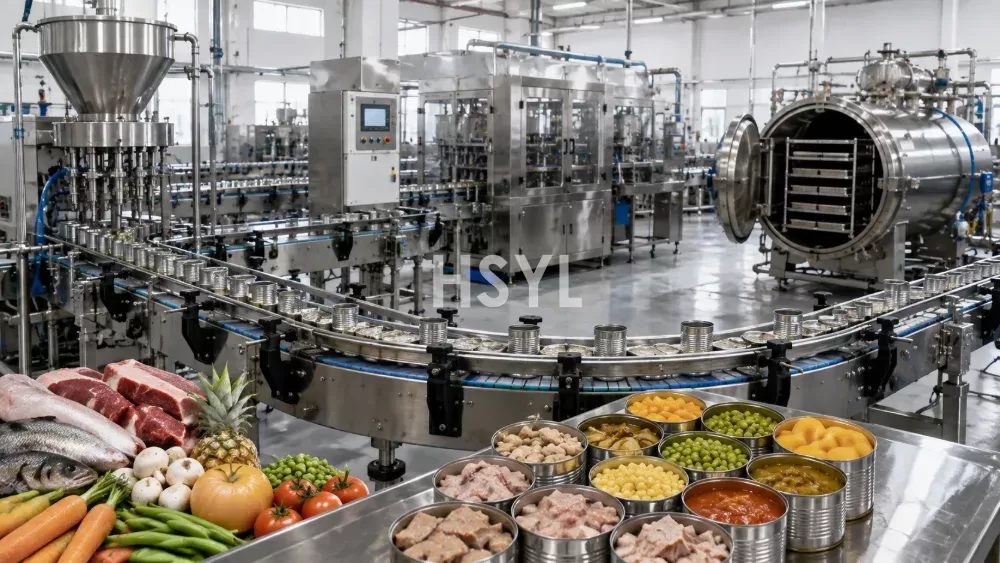
Canned food production line manufacturer for fish, meat, fruit and vegetable can...
ViewBacked by real-world case studies, showcasing our successful experience across industries and regions.
Latest technological trends and professional insights
10 food applications of ultrasonic cutting: cheesecake, frozen meat, salmon, ene...
Read more →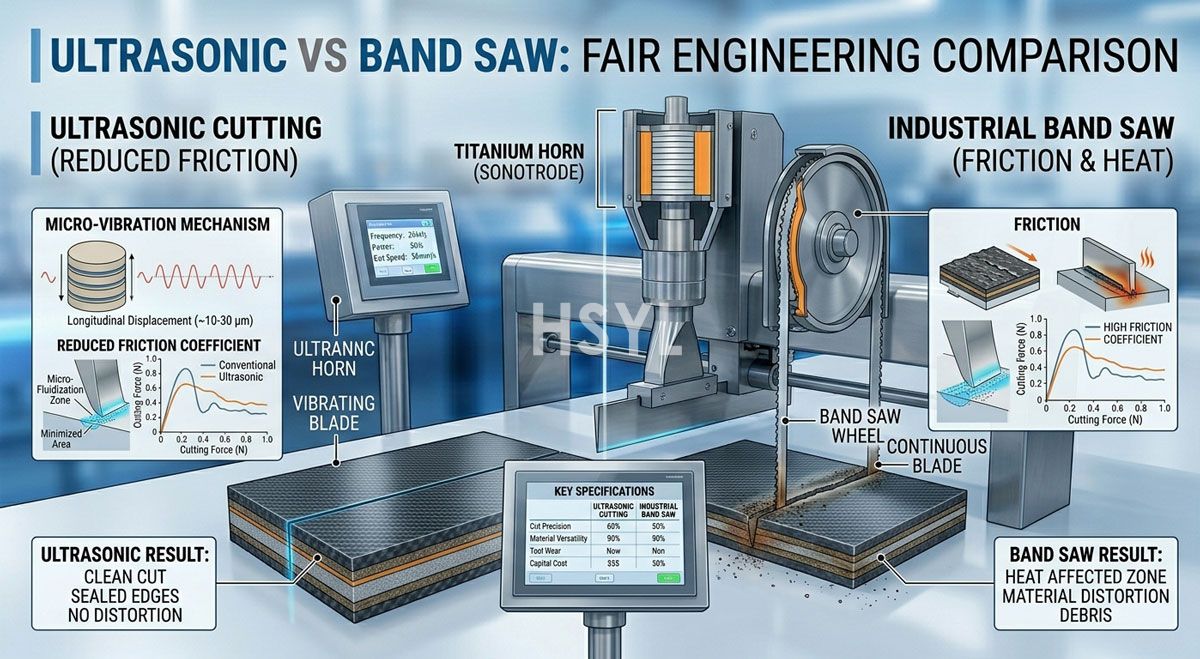
Ultrasonic vs band saw cutting: yield, blade life, capital cost, product quality...
Read more →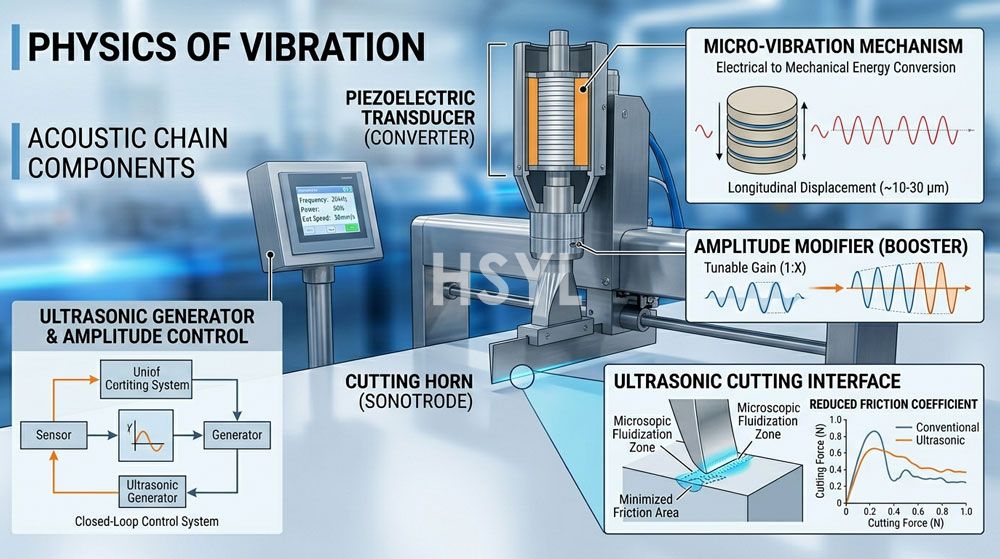
How ultrasonic cutting works: piezoelectric crystals, resonance, blade-edge cavi...
Read more →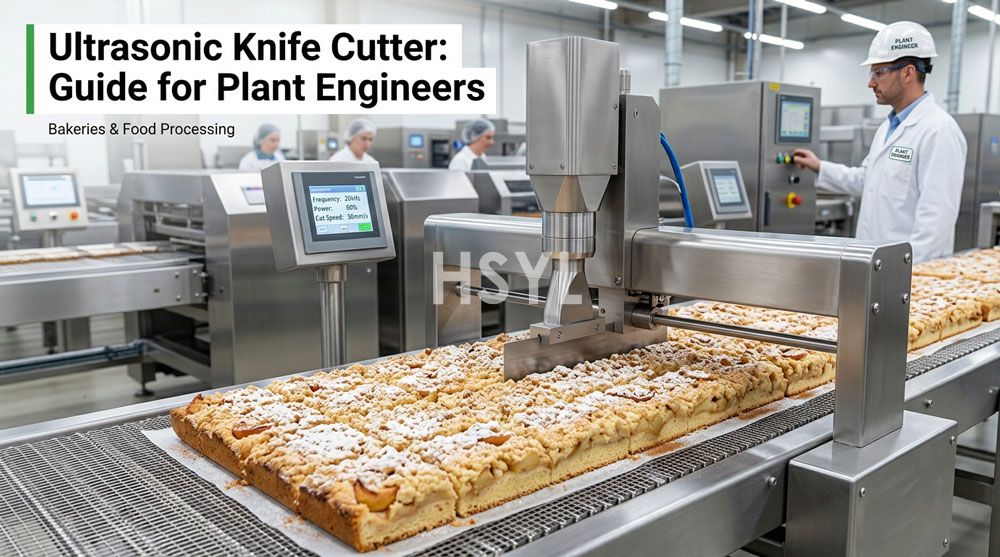
The ultrasonic knife cutter is not a single technology. It is a system composed ...
Read more →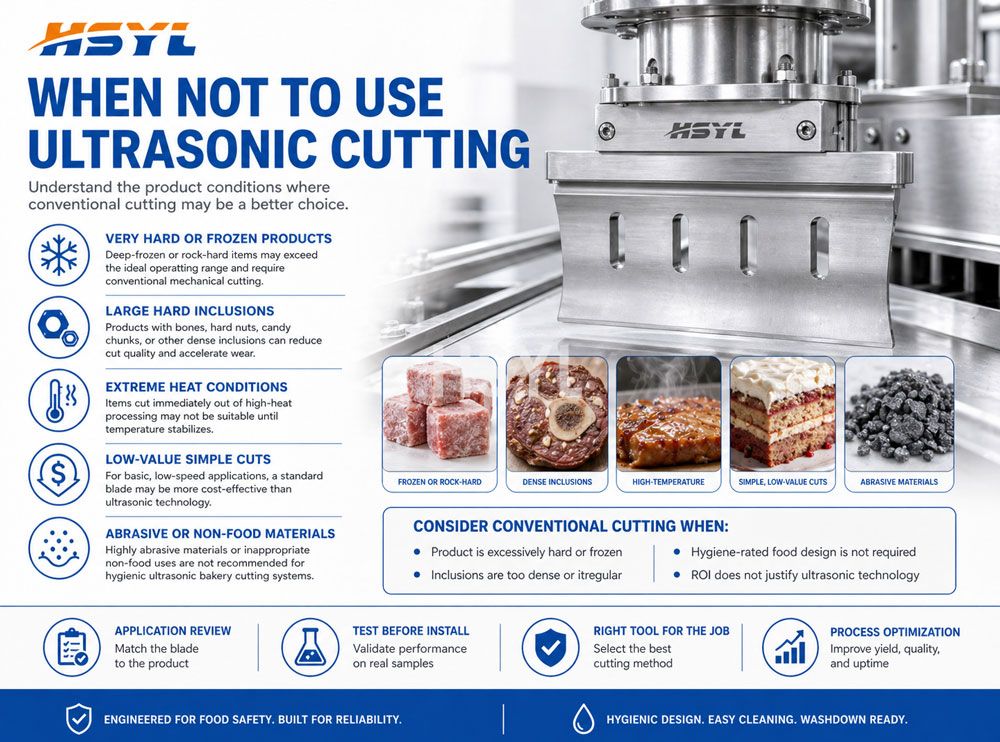
Ultrasonic technology operates by vibrating a titanium sonotrode between 20kHz a...
Read more →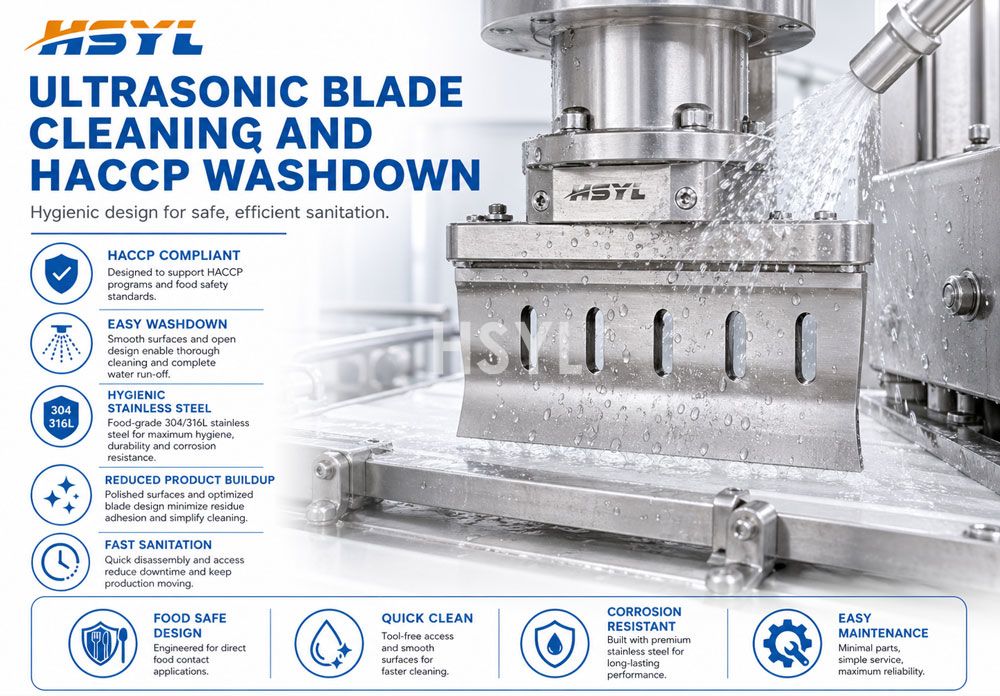
Engineer's guide to ultrasonic blade washdown procedures. Analyze sanitation con...
Read more →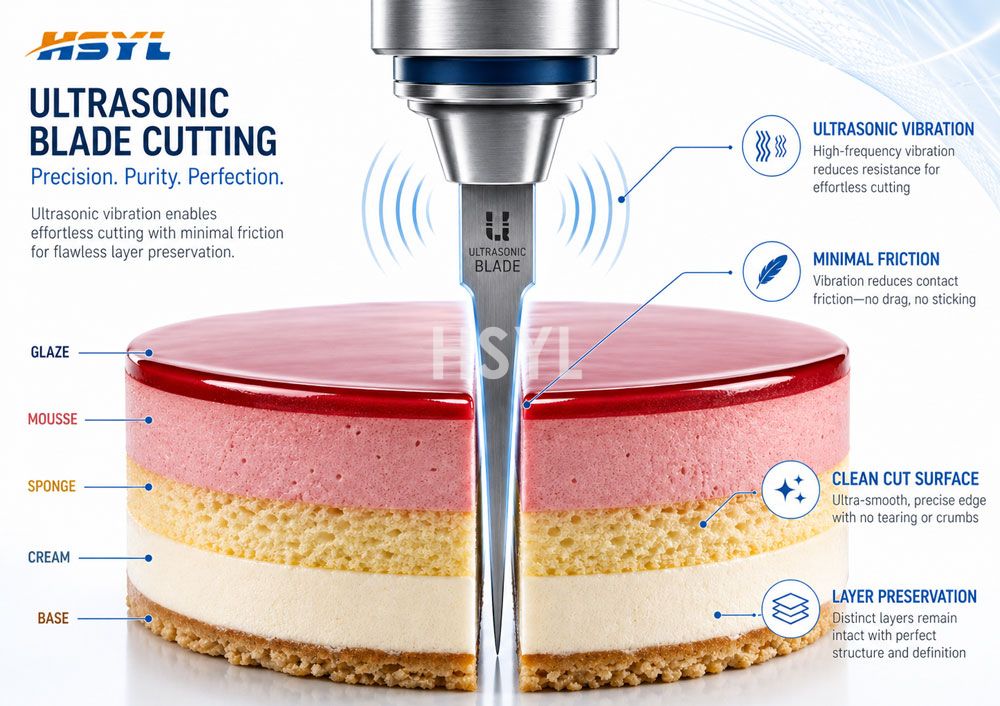
Calculate the true ROI of ultrasonic cutting equipment in industrial bakery line...
Read more →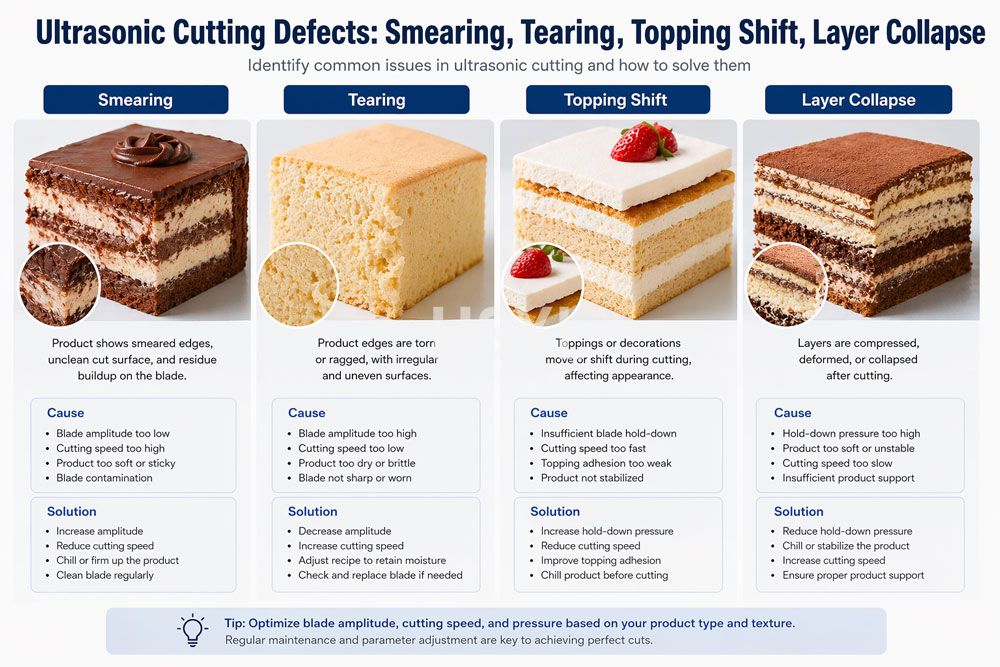
Engineering deep-dive into ultrasonic cutting defects: smearing, tearing, and la...
Read more →Our professional team will provide you with the optimal food processing equipment solution. Contact us today for a detailed consultation.