

Market & Trends
10 Applications of Ultrasonic Cutting in Food Industry
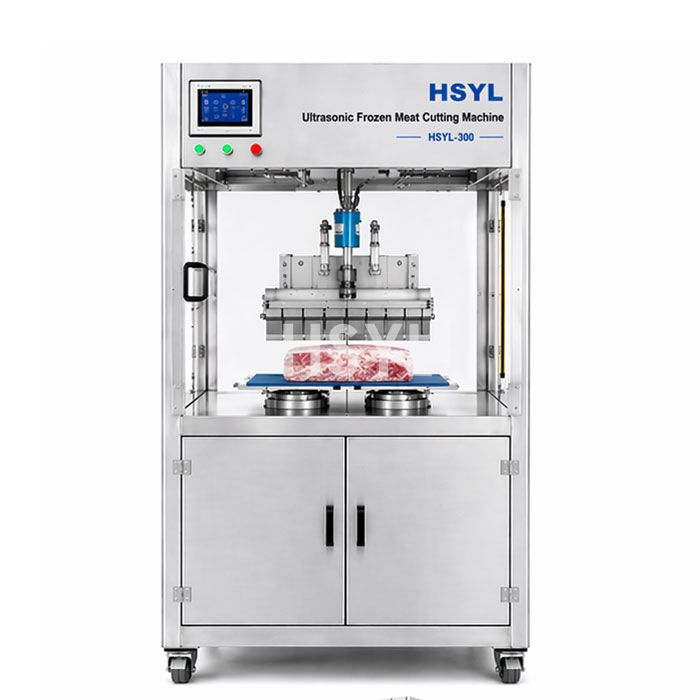
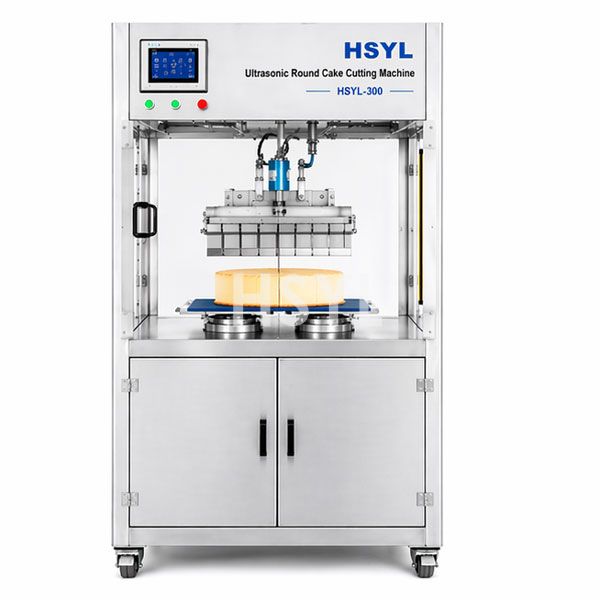
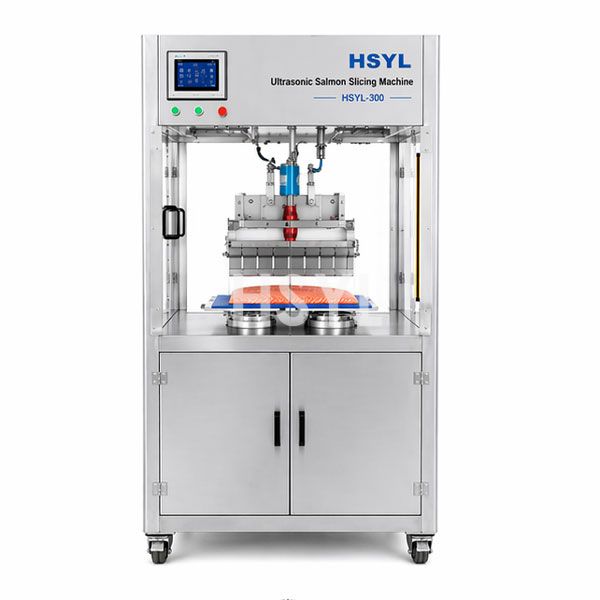
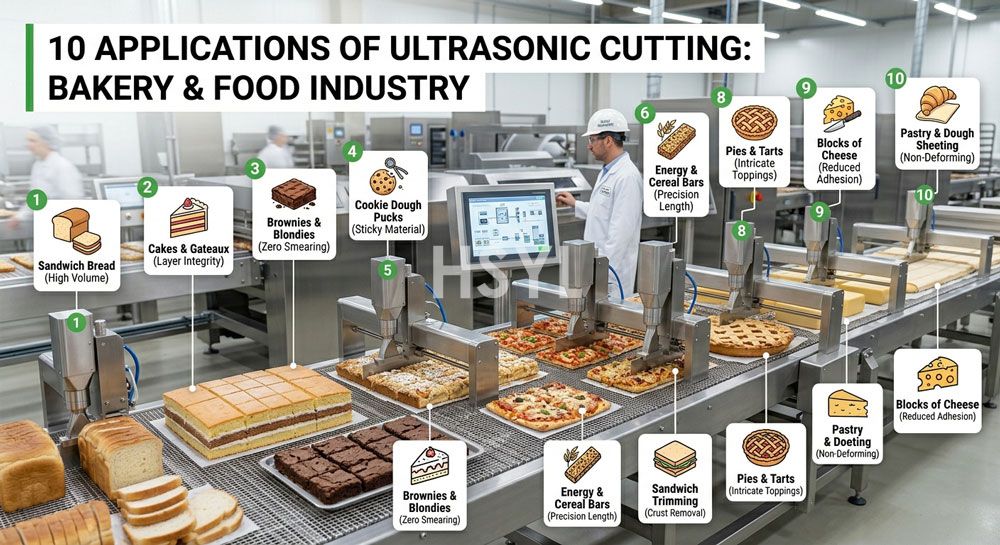
10 food applications of ultrasonic cutting: cheesecake, frozen meat, salmon, ene...
Read more →End-to-end design, manufacturing, and delivery—empowering you to achieve efficient, compliant, and highly profitable production in any global market.
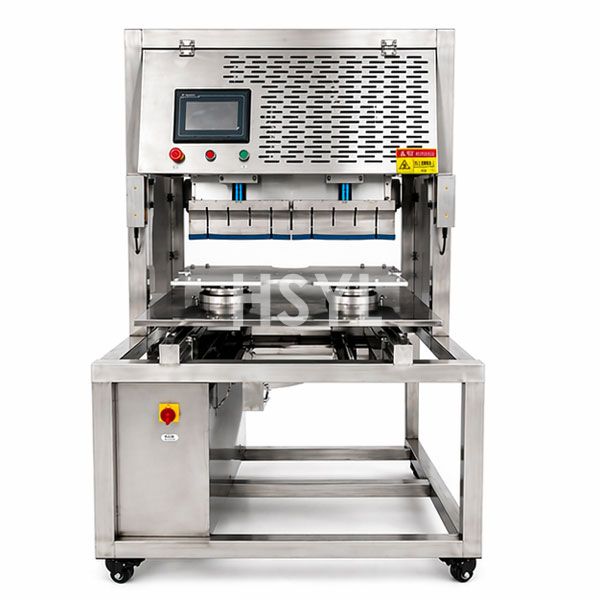
Adhesion-related cut failures—cream smear across sponge layers, filling displacement in sandwich products, ragged cross-sections on pâté blocks—are not quality exceptions in conventional cutting operations. They are structural outcomes of applying static compressive force to food matrices that deform viscoelastically ahead of any blade edge. The Automatic Ultrasonic Cutting Machine resolves this at the physics level: a piezoelectric transducer stack drives a titanium alloy (Ti-6Al-4V) blade horn at 20–40 kHz, producing longitudinal blade amplitudes of 60–120 µm peak-to-peak. At those frequencies, the effective friction coefficient at the blade-product interface drops from a static µ of 0.35–0.60 to a measured dynamic µ of 0.05–0.12, eliminating the adhesion mechanism that causes smear and deformation on products ranging from 4°C soft cheese to ambient-temperature layered cream cakes.
The automation architecture couples that acoustic blade to a servo-driven gantry with positional repeatability of ±0.1 mm across conveyor widths from 400 mm to 1,200 mm. Cut cycle parameters—traversal speed, blade dwell, cut pitch, multi-pass sequencing—are programmed via a 10.4-inch HMI touchscreen and stored as product-specific recipes on a PLC platform (Siemens S7 or Mitsubishi FX series, configurable). At production rates reaching 120–150 cuts per minute on single-gantry configurations and higher on multi-blade parallel arrangements, this system closes the throughput gap that previously forced plants to accept cut-quality compromises in the name of speed.
| Parameter | Specification |
|---|---|
| Blade Operating Frequency | 20 kHz / 28 kHz / 40 kHz (model-dependent) |
| Blade Amplitude (Peak-to-Peak) | 60 – 120 µm (adjustable via generator output) |
| Acoustic Generator Power | 300 W – 2,000 W per transducer station |
| Servo Positioning Repeatability | ±0.1 mm across full cut width |
| Conveyor Infeed Width | 400 mm – 1,200 mm (custom widths available) |
| Maximum Cut Frequency | Up to 150 cuts/min (single gantry, product-dependent) |
| Product Temperature Range | −5°C to +25°C (chilled and ambient compatible) |
| Food-Contact Blade Material | SUS316L stainless or Ti-6Al-4V titanium alloy |
| Control Platform | Siemens S7-1200 / Mitsubishi FX5U (PLC), 10.4" HMI |
| Compliance Certifications | CE, FDA 21 CFR Part 110, BRCGS Issue 9 compatible |
On portion-controlled cheese lines and multilayer bakery products, trim loss is not an abstract metric—it is a direct reduction in billable product weight. Profilometer measurements on soft sponge cake cross-sections cut at 0.3 m/s traversal speed show the practical magnitude of this difference:
At a production rate of 1,200 kg/h of cream-layered cake, moving from 4.5% to 1.0% trim loss recovers approximately 42 kg of sellable product per hour. For lines running 6,000 hours per year at a finished-product value of $4.50/kg, that single metric generates over $1.1 million in annual recovered margin—before accounting for blade cost reduction or cleaning downtime savings. On declared-weight cheese portions of 40 g, reducing mean over-weight give-away from 1.8 g to 0.4 g at 3,600 portions/hour constitutes an additional recoverable raw material cost of several thousand dollars per operating week at industrial dairy pricing.
For plants integrating this machine into a full automated bakery workflow, the cake production line provides upstream process context, including depositing, baking, and cooling stage specifications that determine infeed product temperature and structural consistency at the point of cutting.
Tool-free blade disassembly is completed in under 90 seconds per station, allowing the food-contact blade horn to be removed, immersed, and returned to production within a realistic allergen-changeover window. The blade surface is electropolished to a mean roughness Ra of less than 0.4 µm, eliminating the microbial harbor points present in serrated, threaded, or welded conventional blade assemblies. Frame construction uses SUS304 structural members with SUS316L food-zone components, all sloped-drain geometry with no horizontal flat surfaces that accumulate wash water and biofilm.
CIP validation using 1.5–2.0% NaOH solution at 65°C followed by 200 ppm peracetic acid rinse achieves logged ATP bioluminescence counts below 10 RLU per 25 cm² on all food-contact surfaces—consistently within FSMA Preventive Controls and EC Regulation 852/2004 thresholds. The IP65-rated electrical enclosures and sealed bearing units allow full wash-down with high-pressure water without electrical ingress risk, supporting three-per-shift sanitation protocols where BRCGS or BRC audit conditions require them.
For plants evaluating a fully automated ultrasonic cutting system with conveyor integration, multi-blade gantry options, and downstream packaging interface, the ultrasonic cutting production line documents complete system configurations including infeed accumulation, orientation control, and outfeed sortation specifications.
International certifications including GMP, FDA, CE, and HACCP ensure your products succeed worldwide.
Average payback period of 18 months, 25% lower energy consumption, and 300% higher production capacity.
End-to-end support—from feasibility studies to after-sales maintenance—so you can focus on your core business.
Why choose us? Three core pillars ensure maximum return on your investment.
Fully customized design from the ground up, strictly compliant with the highest global standards (GMP, FDA, CE), ensuring a perfect fit for your unique requirements—ideal for high-standard markets such as Europe and the Middle East.
One-stop service covering feasibility studies, equipment manufacturing, system integration, installation, commissioning, and operator training—simplifying even the most complex projects. Especially suited for fast-growing markets in Southeast Asia.
Our systems feature rapid changeover capabilities and energy-efficient design, enabling you to adapt effortlessly to market shifts while minimizing operational costs and maximizing ROI.
From individual equipment to complete production lines, our products cover every aspect of food processing, ensuring that your turnkey projects have the most reliable technological foundation.
Global certifications including CE, FDA, and GMP
Tailored solutions based on your specific needs
From installation and commissioning to after-sales support
Green manufacturing to reduce operational costs
Covering 12 core industries, each solution has been validated through practical experience and tailored to your specific needs

Industrial processing lines for tomato paste, chili sauce, and mayonnaise. High-...
View
Advanced seafood processing lines for fish, shrimp, and crab. Includes grading, ...
View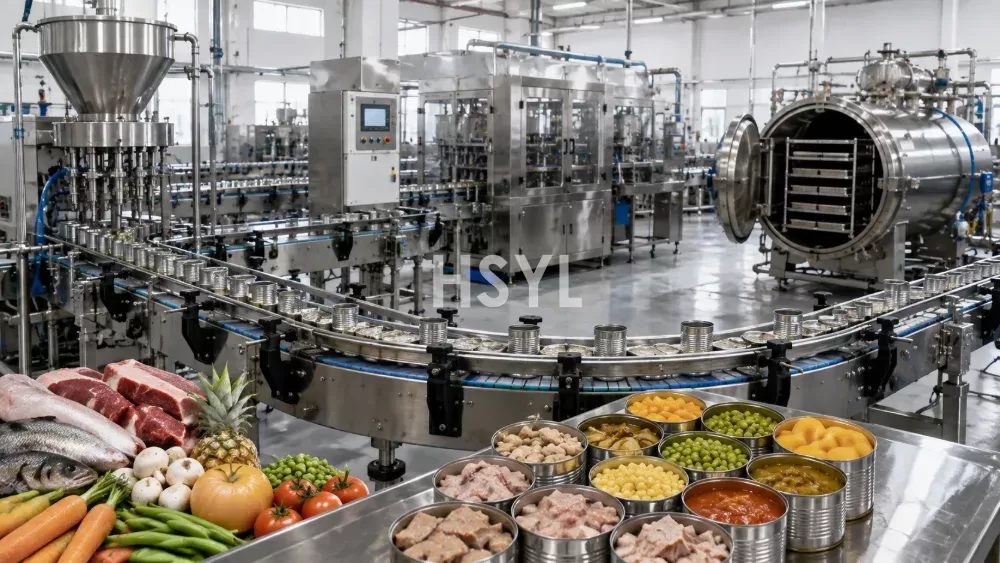
Canned food production line manufacturer for fish, meat, fruit and vegetable can...
View
Professional meat processing equipment solutions. Automated lines for sausage, h...
ViewBacked by real-world case studies, showcasing our successful experience across industries and regions.
Latest technological trends and professional insights
10 food applications of ultrasonic cutting: cheesecake, frozen meat, salmon, ene...
Read more →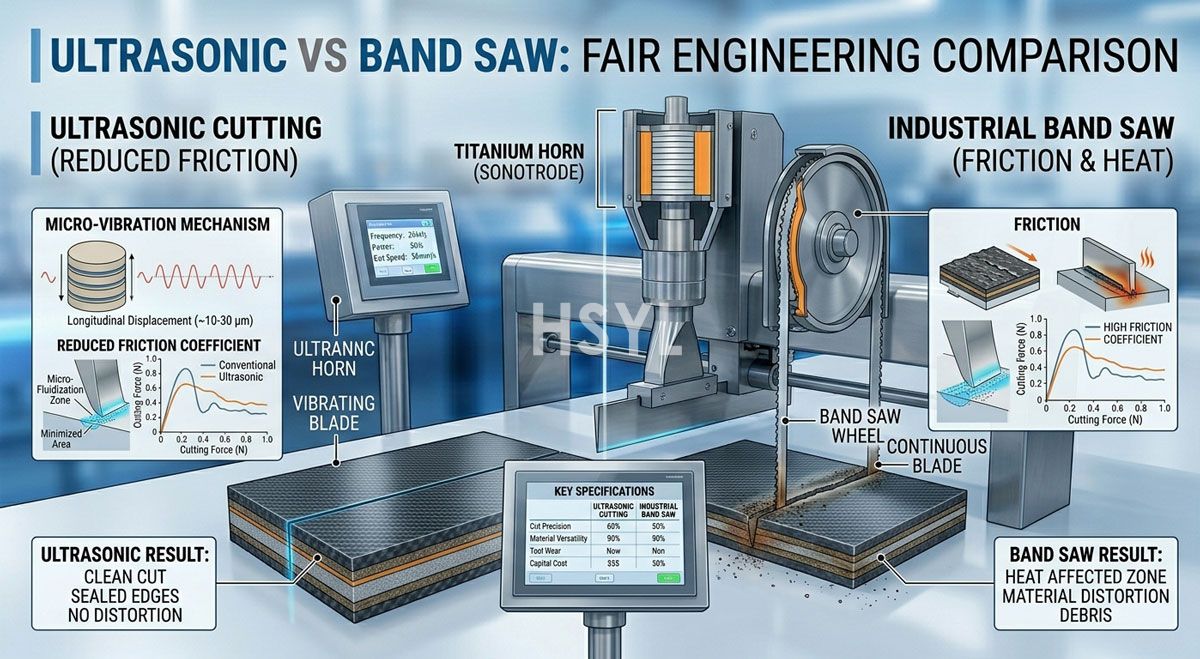
Ultrasonic vs band saw cutting: yield, blade life, capital cost, product quality...
Read more →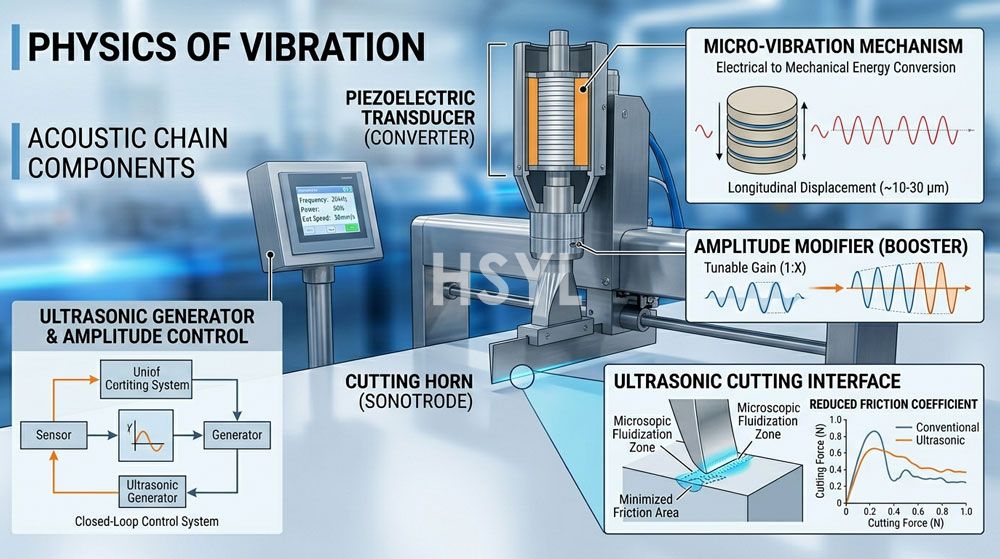
How ultrasonic cutting works: piezoelectric crystals, resonance, blade-edge cavi...
Read more →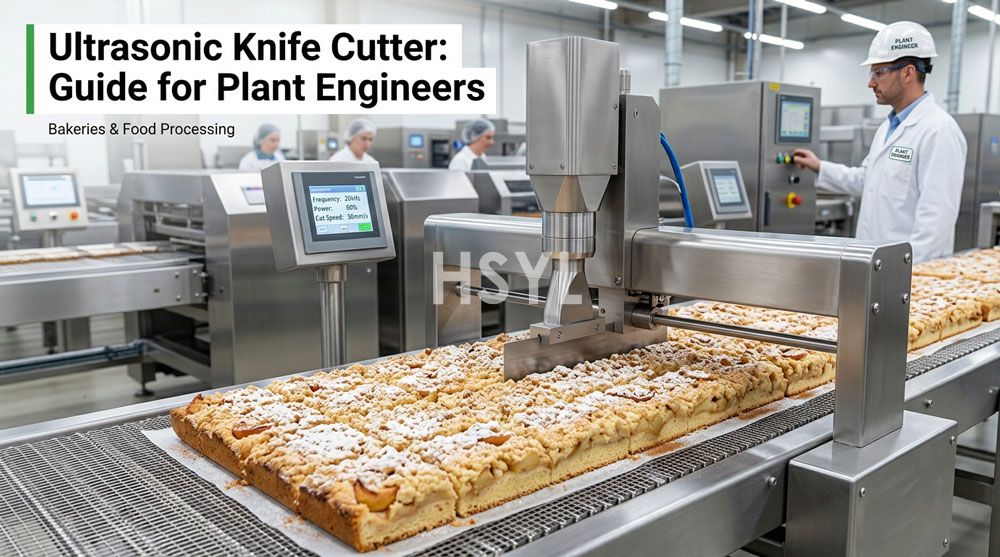
The ultrasonic knife cutter is not a single technology. It is a system composed ...
Read more →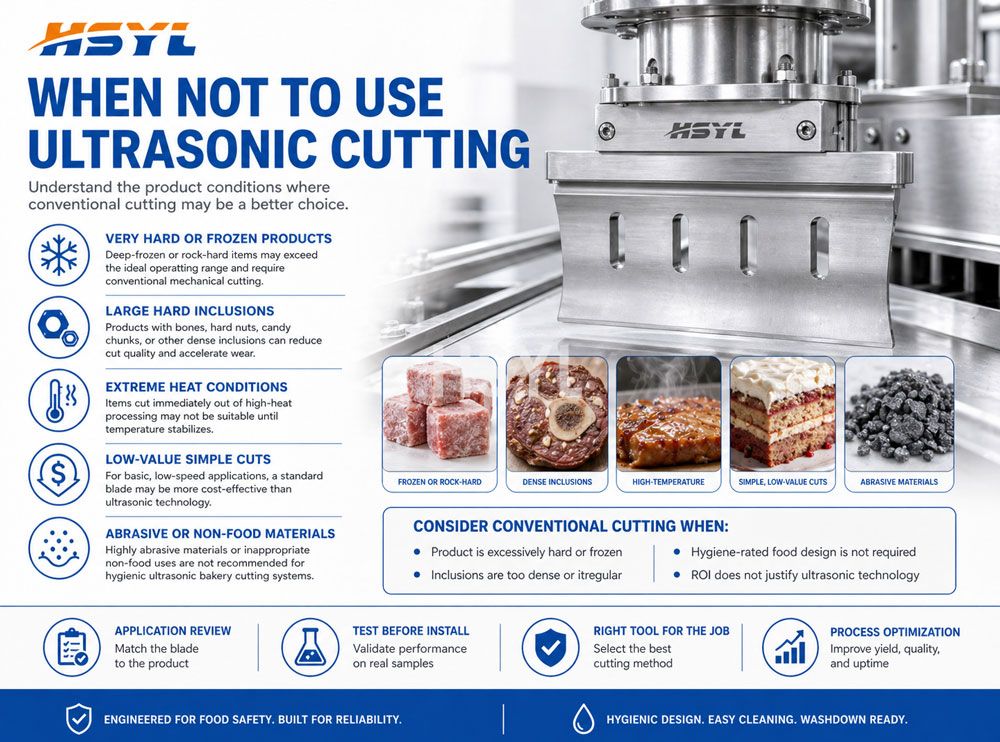
Ultrasonic technology operates by vibrating a titanium sonotrode between 20kHz a...
Read more →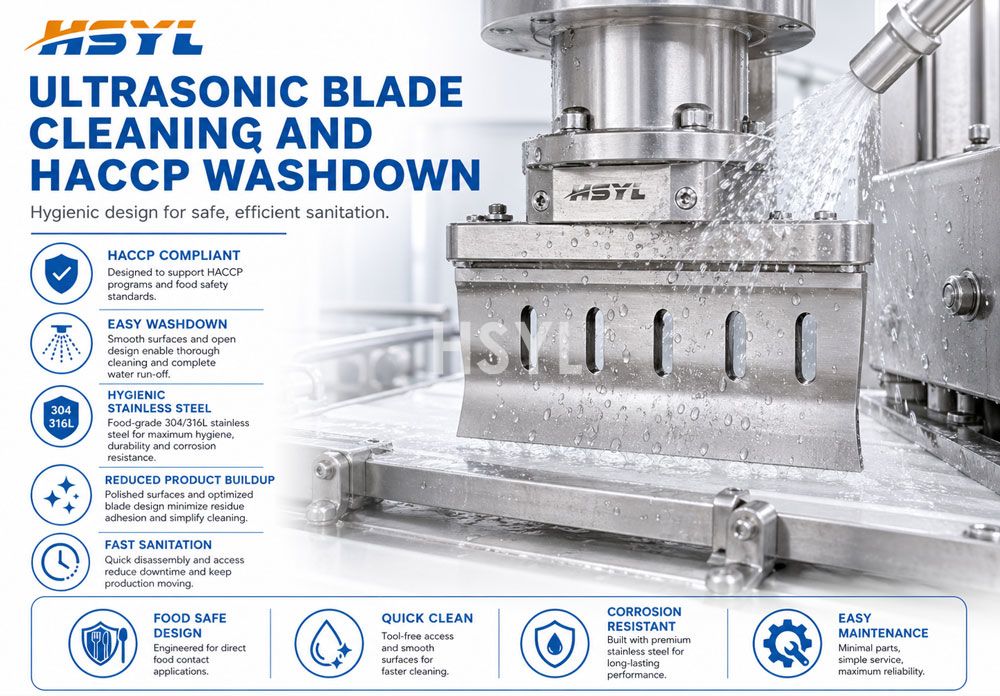
Engineer's guide to ultrasonic blade washdown procedures. Analyze sanitation con...
Read more →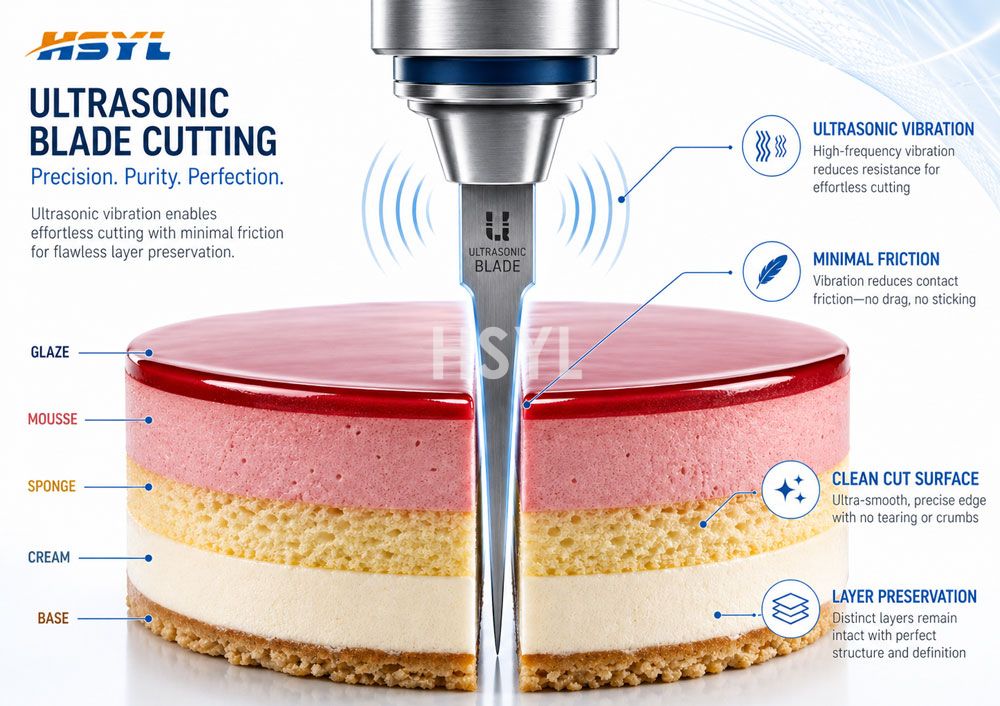
Calculate the true ROI of ultrasonic cutting equipment in industrial bakery line...
Read more →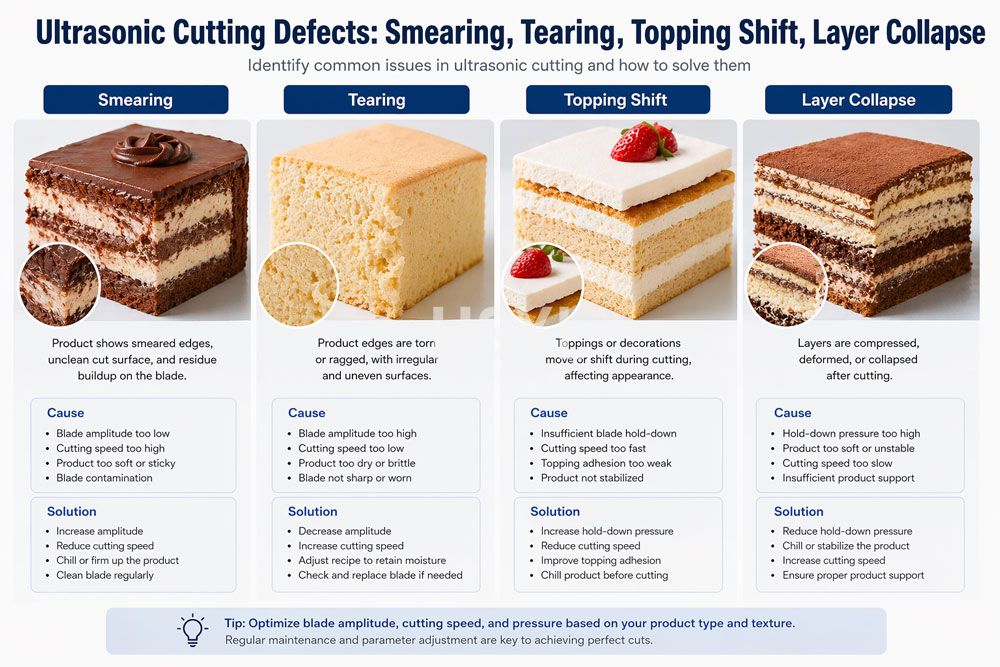
Engineering deep-dive into ultrasonic cutting defects: smearing, tearing, and la...
Read more →Our professional team will provide you with the optimal food processing equipment solution. Contact us today for a detailed consultation.