

Market & Trends
10 Applications of Ultrasonic Cutting in Food Industry
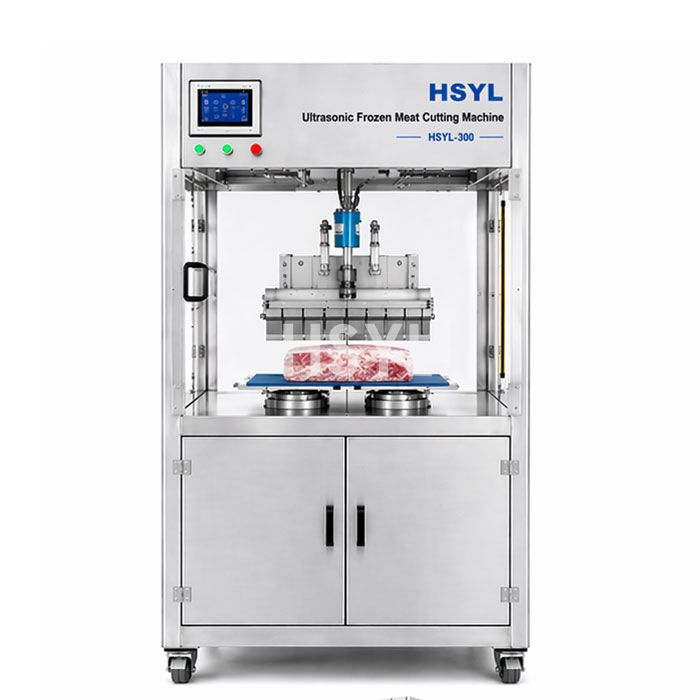
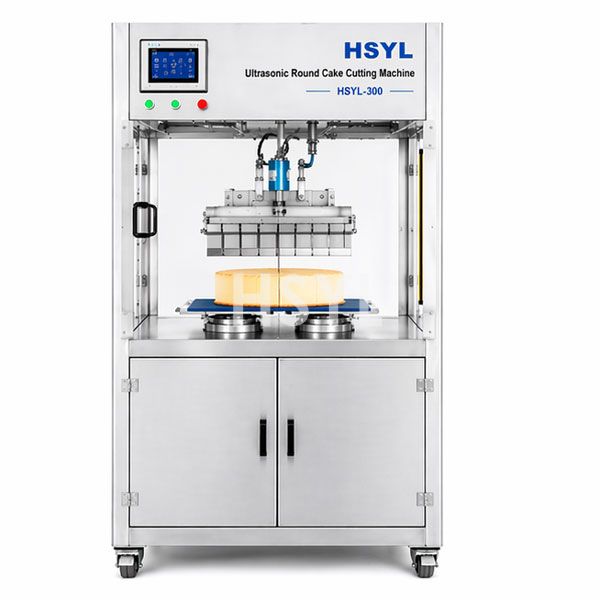
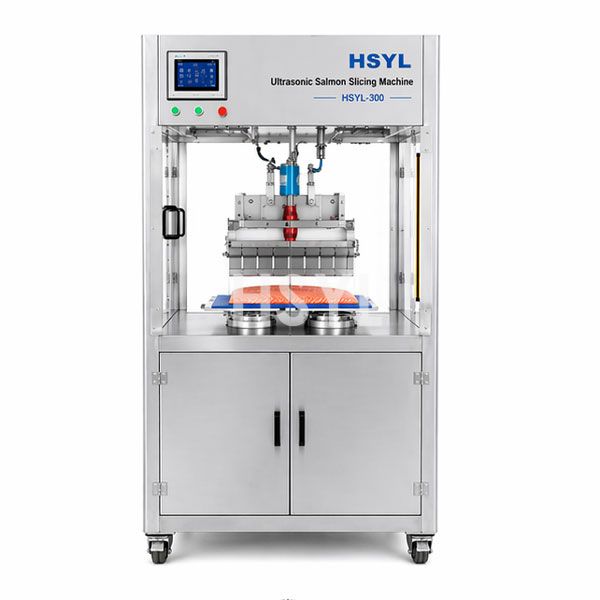
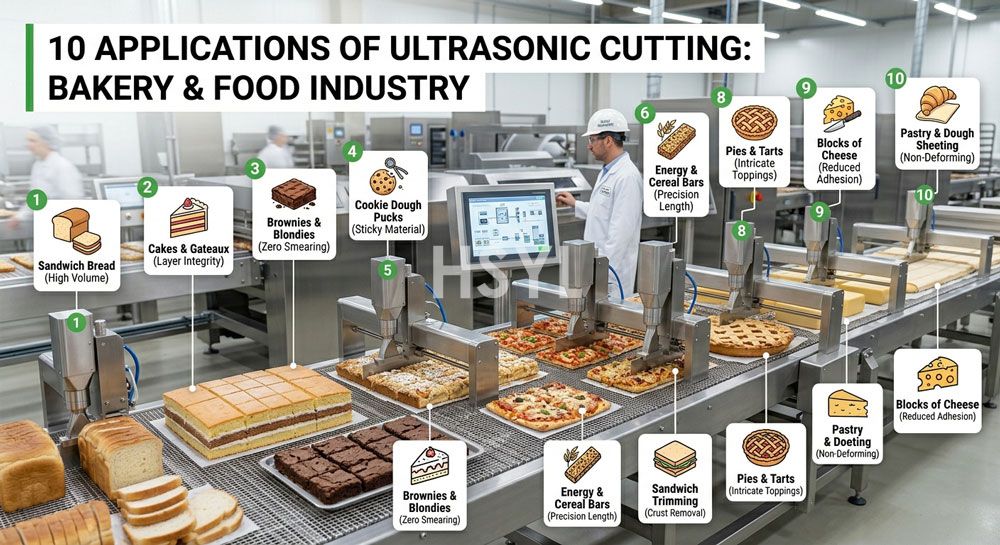
10 food applications of ultrasonic cutting: cheesecake, frozen meat, salmon, ene...
Read more →End-to-end design, manufacturing, and delivery—empowering you to achieve efficient, compliant, and highly profitable production in any global market.
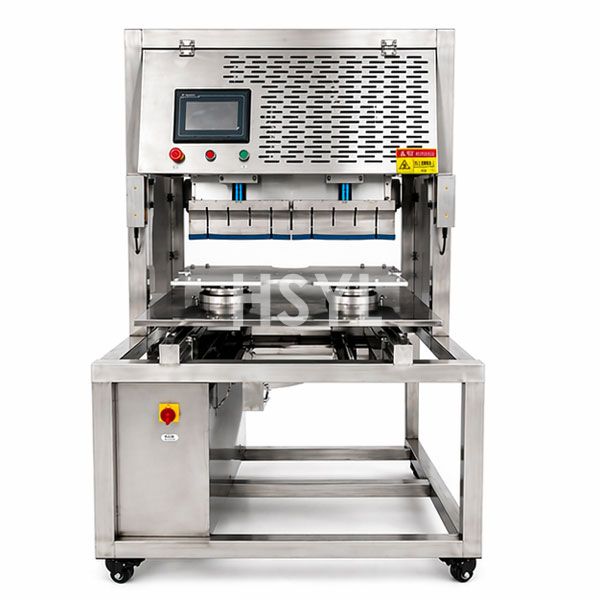
Conventional blade drive motors operate at a fixed rated wattage regardless of actual cutting resistance. When slicing a soft cream cake that requires 40 N of blade force, the motor draws the same current as when cutting a dense nougat block requiring 180 N. That constant over-supply of electrical energy — dissipated as heat in the motor windings and gearbox — is structurally unavoidable in fixed-speed drive architectures. The HSYL energy-saving ultrasonic generator operates differently: its digital load-following output circuit monitors the mechanical impedance presented to the transducer at each millisecond interval and adjusts generator output to deliver precisely the electrical power needed to maintain the programmed blade amplitude. On soft bakery products, the generator runs at 30–45% of rated output. On dense confectionery, it scales up. The result is an average active-cycle power draw that tracks actual product resistance rather than worst-case specification.
The resonance-lock mechanism compounds this saving. Piezoelectric ceramic transducers have a narrow resonance bandwidth — typically ±200 Hz around the rated frequency. As blade temperature changes during a production run (blades warm from room temperature toward 35–40°C at steady state on typical bakery lines), the mechanical resonance frequency shifts by 80–140 Hz. Without compensation, the generator continues to drive at the nominal frequency, which is now off-resonance, forcing the ceramic stack to work harder — drawing 15–25% more current to produce the same blade amplitude. The auto-tuning algorithm in HSYL's generator tracks real-time resonance and adjusts drive frequency to stay within 20 Hz of the mechanical resonance peak throughout the shift. No energy is wasted compensating for thermal drift.
Plants evaluating how this machine integrates into a broader cutting workflow can reference the ultrasonic cutting production line, which documents multi-station power distribution architecture and conveyor synchronization parameters relevant to calculating total line energy consumption per kilogram of output.
| Parameter | Specification |
|---|---|
| Blade Vibration Frequency | 20 kHz / 28 kHz / 40 kHz (application-matched) |
| Active Cutting Power per Station | 500 W – 2,000 W (load-following, not fixed-rated) |
| Intelligent Standby Power | < 50 W (between active cut cycles) |
| Generator Electromechanical Efficiency | > 92% at resonance (certified measurement) |
| Blade Amplitude (Peak-to-Peak) | 60 – 120 µm (digitally adjustable) |
| Servo Positioning Accuracy | ±0.1 mm |
| Typical Energy Saving vs Conventional System | 35 – 55% per cutting station (product-dependent) |
| Blade Contact Material | Ti-6Al-4V Titanium Alloy or SUS316L (Ra < 0.4 µm) |
| Frame Material | SUS304 structural / SUS316L food-contact zones |
| Control System | Siemens S7-1200 PLC, 10.4" HMI, Modbus TCP / EtherNet/IP energy data export |
| Power Supply | 380V / 3Ph / 50Hz (customizable to 220V / 60Hz) |
| Ingress Protection | IP65 full washdown |
| Certifications | CE, HACCP-design compliant, ISO 50001 energy metering compatible |
Energy efficiency calculations that focus only on generator power draw undercount the total operating cost delta between ultrasonic and conventional cutting systems. Blade wear and replacement represents a substantial recurring cost in conventional operations — a stainless disc blade on a soft bakery line typically requires sharpening every 120–200 hours and full replacement every 600–1,000 hours. The manufacturing, transport, and installation energy embedded in each replacement blade is a hidden energy cost that accumulates at scale.
Ti-6Al-4V titanium blade horns on HSYL's energy-saving ultrasonic cutters achieve service intervals of 1,200–2,500 operating hours between edge re-profiling on soft-to-medium hardness food substrates, and full component replacement is rarely required before 8,000–12,000 hours of cumulative operation. The lower replacement frequency reduces both direct material cost and the indirect energy embedded in blade logistics. Beyond the blade, the absence of a misting pump eliminates that component's maintenance schedule entirely — no seals, no impeller wear, no filter replacement cycle for the water treatment circuit.
For engineering teams building a procurement business case that compares cutting technology options across capital cost, energy, maintenance, and yield dimensions, the industrial bakery cutting equipment technical guide provides a structured parameter comparison framework applicable to this evaluation.
International certifications including GMP, FDA, CE, and HACCP ensure your products succeed worldwide.
Average payback period of 18 months, 25% lower energy consumption, and 300% higher production capacity.
End-to-end support—from feasibility studies to after-sales maintenance—so you can focus on your core business.
Why choose us? Three core pillars ensure maximum return on your investment.
Fully customized design from the ground up, strictly compliant with the highest global standards (GMP, FDA, CE), ensuring a perfect fit for your unique requirements—ideal for high-standard markets such as Europe and the Middle East.
One-stop service covering feasibility studies, equipment manufacturing, system integration, installation, commissioning, and operator training—simplifying even the most complex projects. Especially suited for fast-growing markets in Southeast Asia.
Our systems feature rapid changeover capabilities and energy-efficient design, enabling you to adapt effortlessly to market shifts while minimizing operational costs and maximizing ROI.
From individual equipment to complete production lines, our products cover every aspect of food processing, ensuring that your turnkey projects have the most reliable technological foundation.
Global certifications including CE, FDA, and GMP
Tailored solutions based on your specific needs
From installation and commissioning to after-sales support
Green manufacturing to reduce operational costs
Covering 12 core industries, each solution has been validated through practical experience and tailored to your specific needs

Professional meat processing equipment solutions. Automated lines for sausage, h...
View
Advanced seafood processing lines for fish, shrimp, and crab. Includes grading, ...
View
Industrial processing lines for tomato paste, chili sauce, and mayonnaise. High-...
View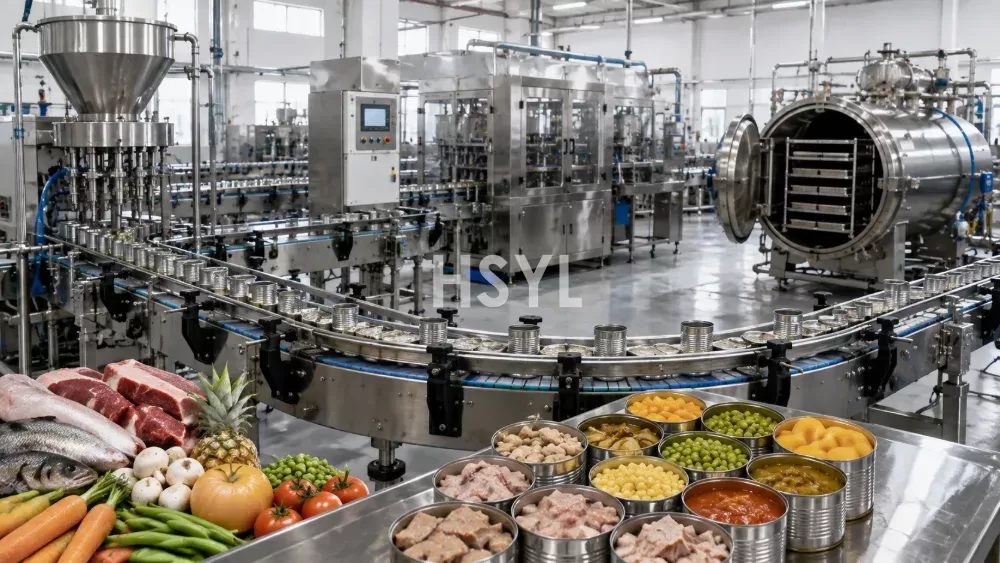
Canned food production line manufacturer for fish, meat, fruit and vegetable can...
ViewBacked by real-world case studies, showcasing our successful experience across industries and regions.
Latest technological trends and professional insights
10 food applications of ultrasonic cutting: cheesecake, frozen meat, salmon, ene...
Read more →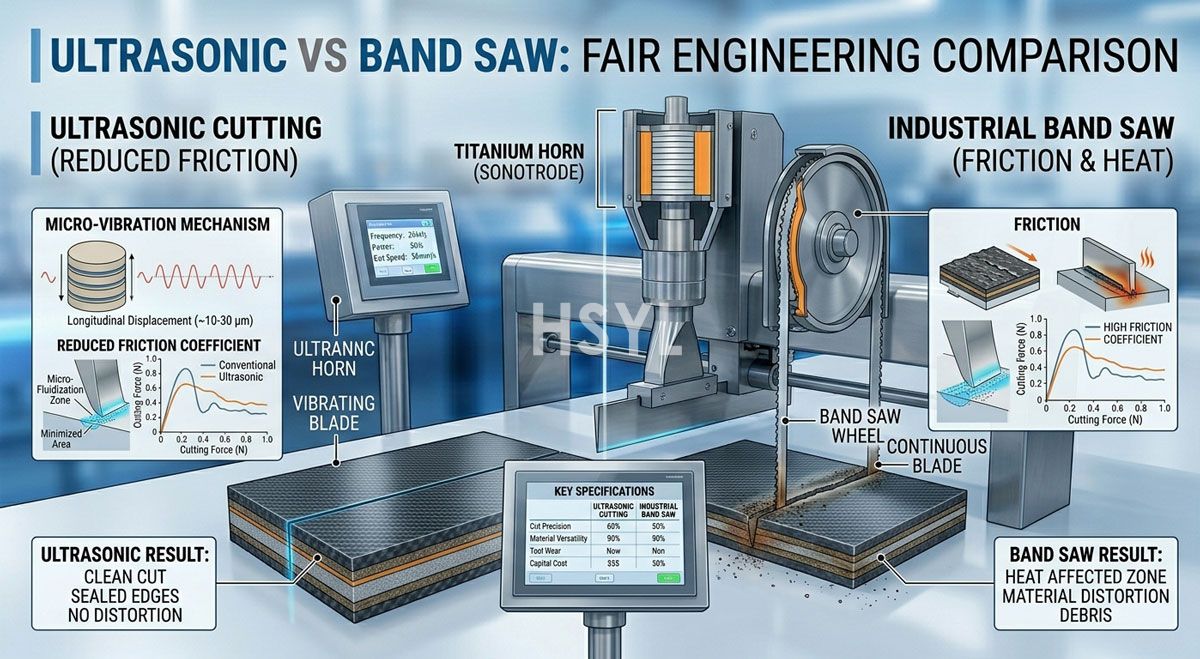
Ultrasonic vs band saw cutting: yield, blade life, capital cost, product quality...
Read more →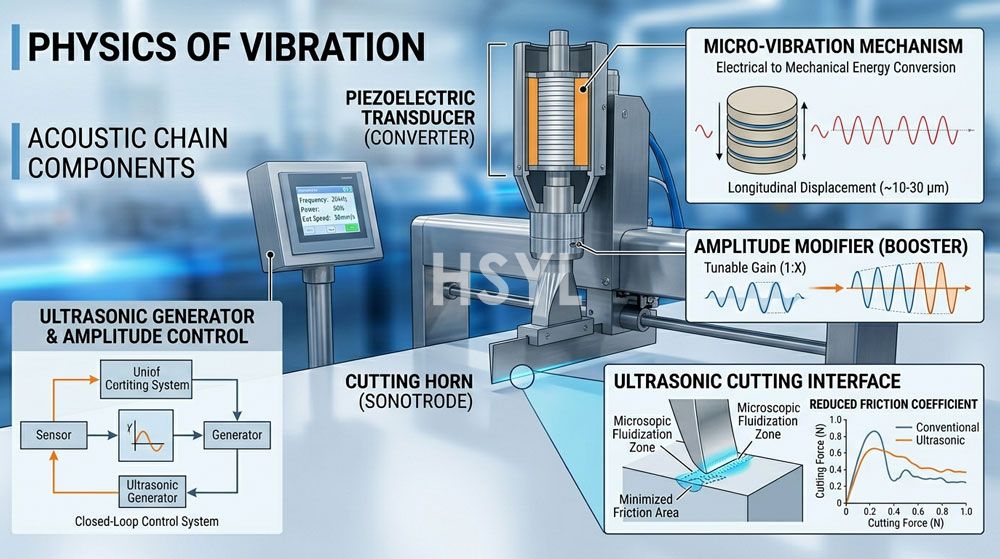
How ultrasonic cutting works: piezoelectric crystals, resonance, blade-edge cavi...
Read more →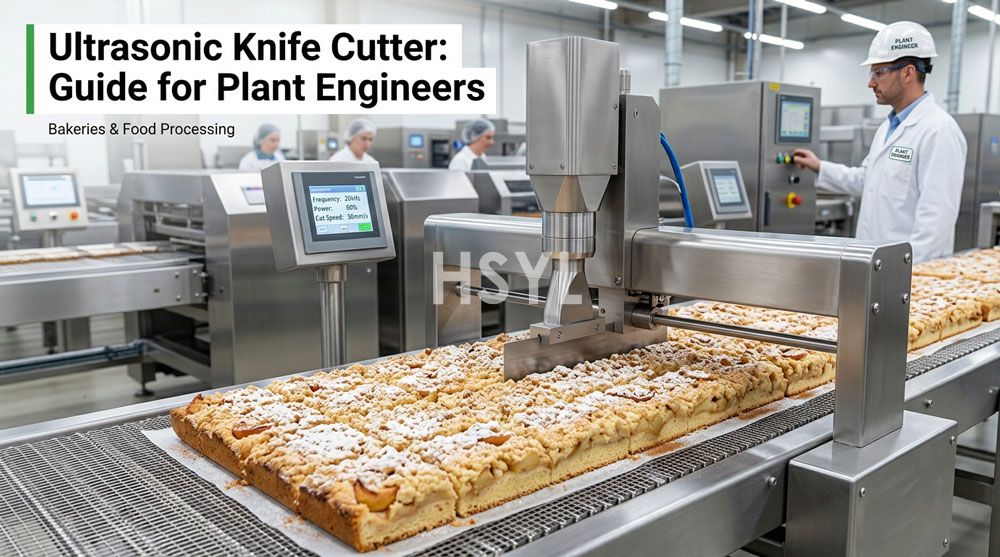
The ultrasonic knife cutter is not a single technology. It is a system composed ...
Read more →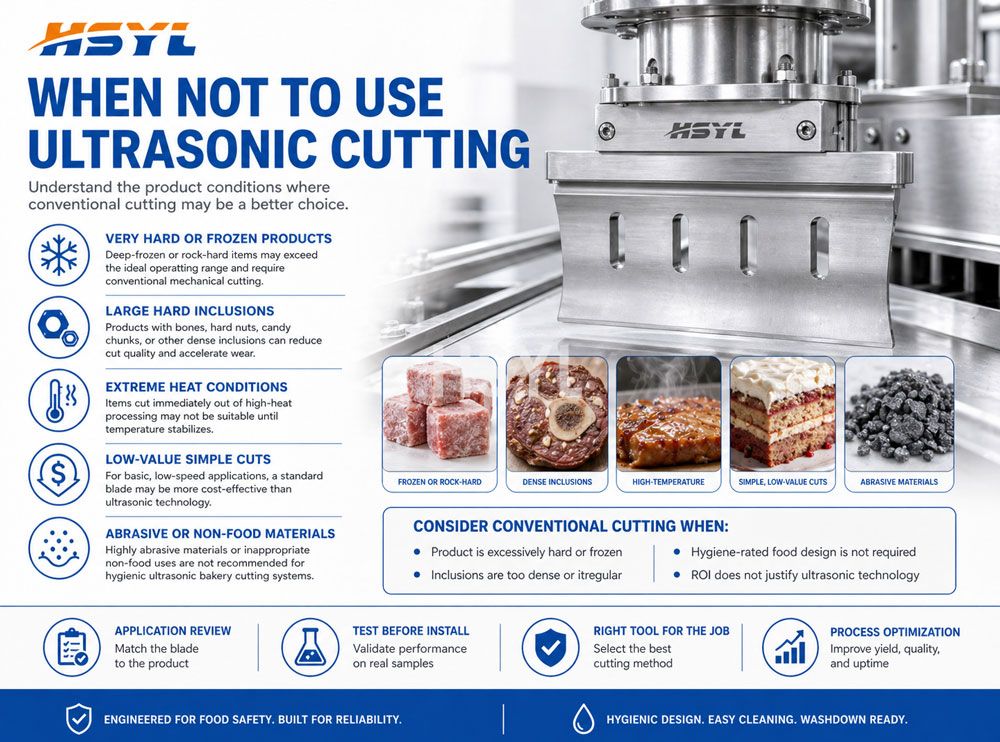
Ultrasonic technology operates by vibrating a titanium sonotrode between 20kHz a...
Read more →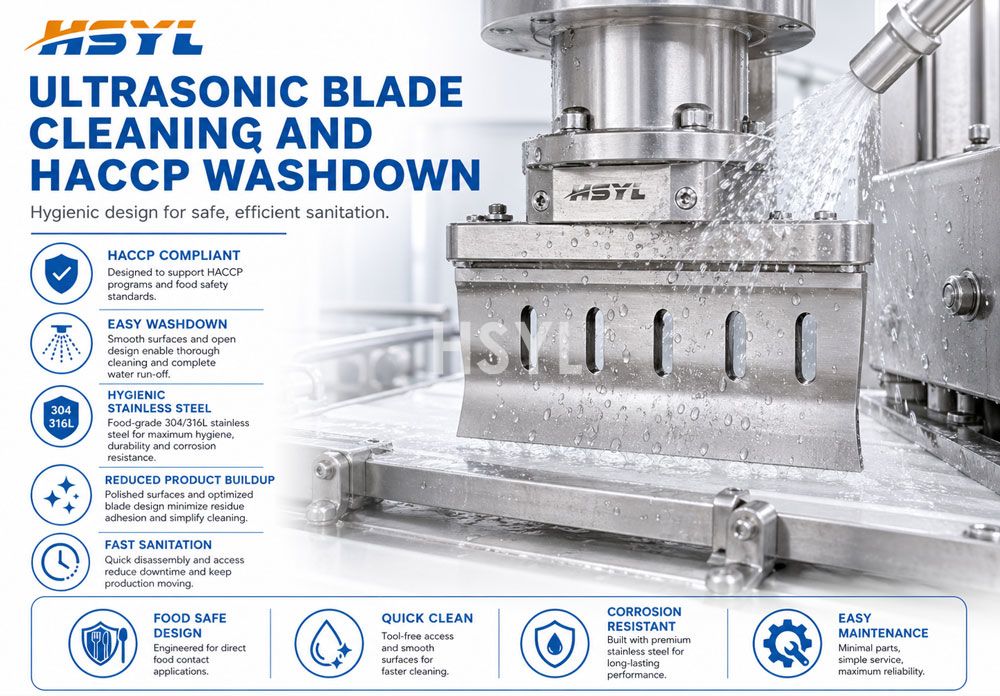
Engineer's guide to ultrasonic blade washdown procedures. Analyze sanitation con...
Read more →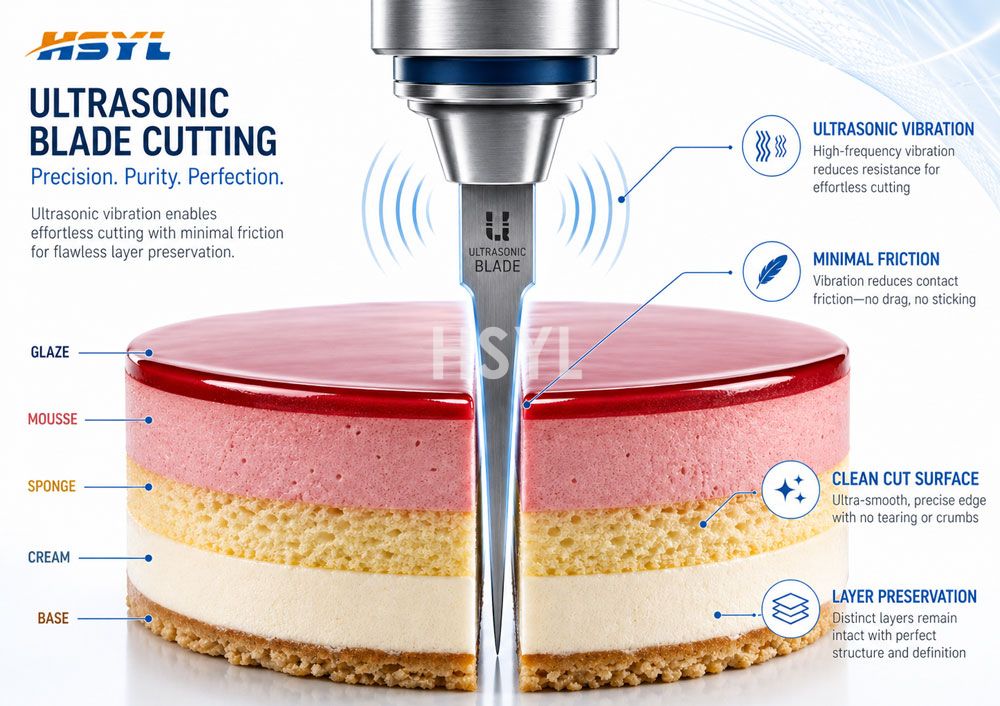
Calculate the true ROI of ultrasonic cutting equipment in industrial bakery line...
Read more →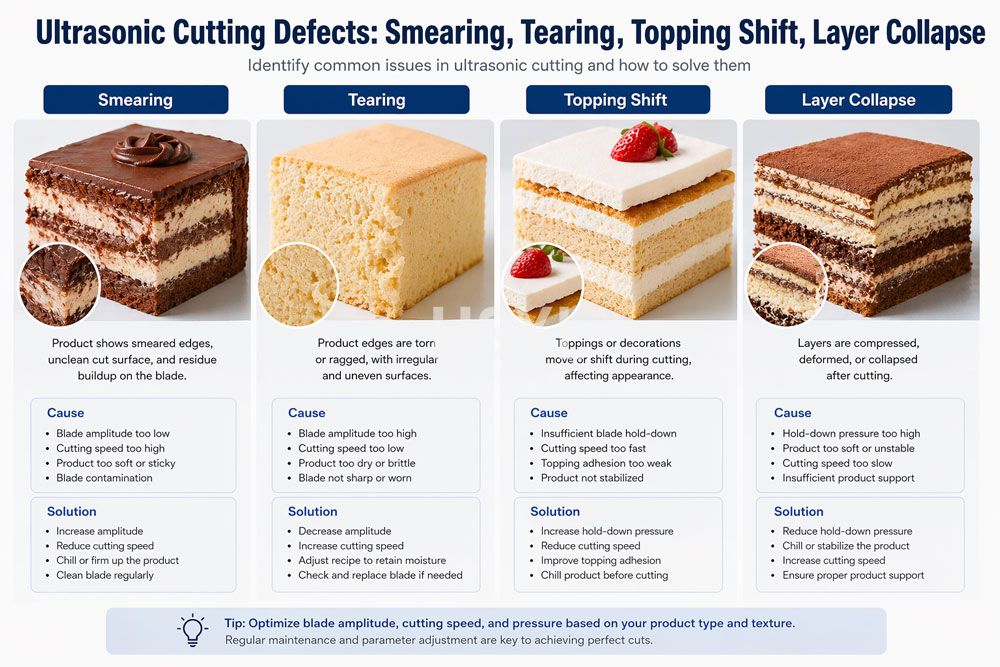
Engineering deep-dive into ultrasonic cutting defects: smearing, tearing, and la...
Read more →Our professional team will provide you with the optimal food processing equipment solution. Contact us today for a detailed consultation.